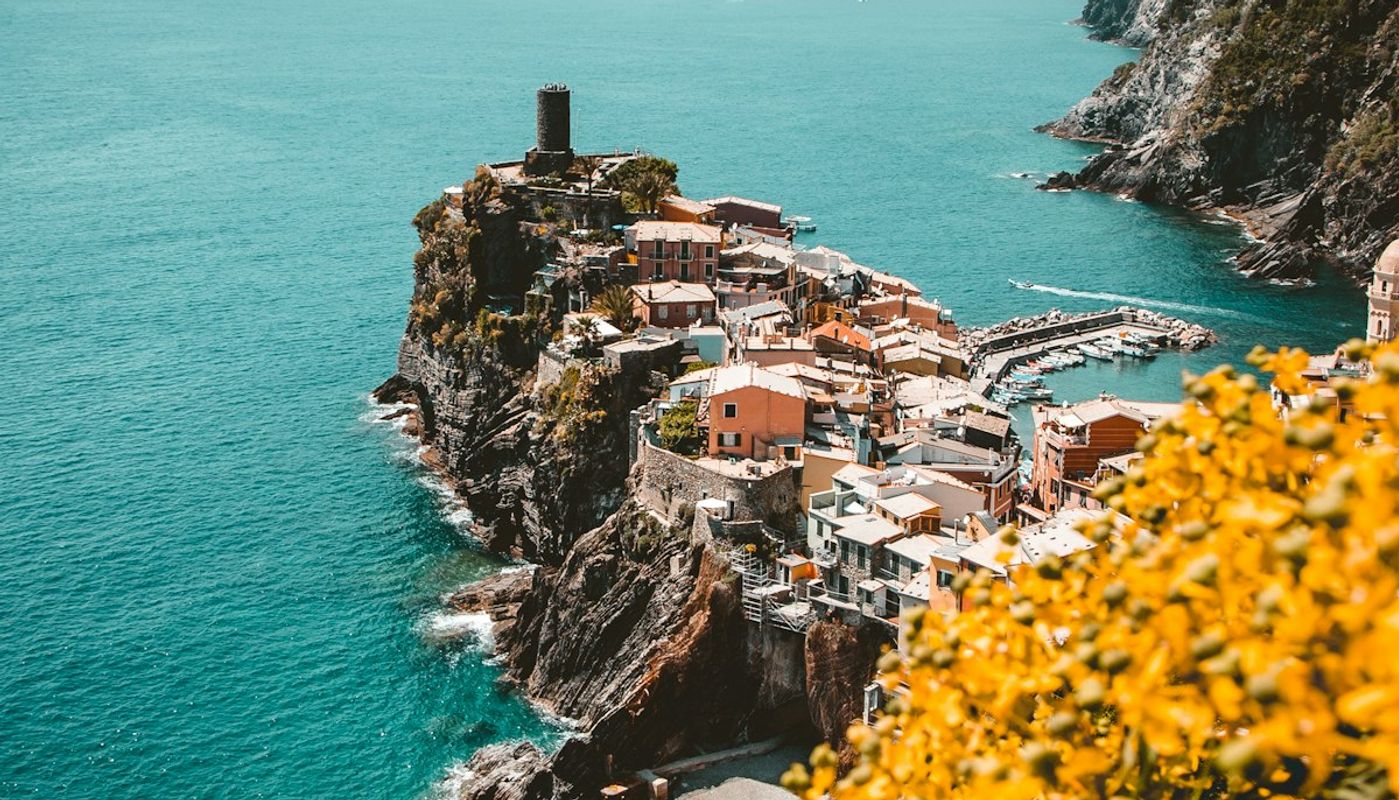
Rome vs Milan vs Tuscany vs Sicily: Where to Buy Property in Italy as a Foreign Investor in 2026
Italy is not one property market. It is dozens of micro-markets with wildly different prices, rental demand, legal quirks, and lifestyle tradeoffs. This comparison covers the four regions where foreign buyers concentrate most of their activity: Rome, Milan, Tuscany, and Sicily.
Price Per Square Meter: The 2025-2026 Reality
Property prices in Italy vary by a factor of 10 depending on where you buy. Here is what the market looks like based on data from the Osservatorio del Mercato Immobiliare (OMI) maintained by the Agenzia delle Entrate.
Rome. The centro storico (historic center, zones like Trastevere, Campo de' Fiori, and Prati) ranges from EUR 5,000 to EUR 8,000 per square meter. Semi-central neighborhoods like Monteverde, Testaccio, and San Giovanni run EUR 3,500 to EUR 5,500. Peripheral areas like EUR and Tor Vergata drop to EUR 2,000 to EUR 3,000. Rome's market has been relatively flat since 2023, with modest recovery in prime locations.
Milan. The Quadrilatero della Moda and Brera command EUR 7,000 to EUR 12,000 per square meter. Porta Nuova and CityLife, Milan's premier new-build districts, sit at EUR 6,000 to EUR 10,000. Navigli and Isola, popular with younger buyers, range EUR 4,000 to EUR 6,500. Milan has been Italy's strongest urban market, driven by corporate relocations, fashion, design, and finance.
Tuscany. Florence's centro storico commands EUR 4,000 to EUR 7,000 per square meter. Chianti countryside properties average EUR 1,500 to EUR 3,000 for habitable farmhouses, though prestigious estates push well above this range. The Maremma coast and Val d'Orcia offer entry points between EUR 1,200 and EUR 2,500. Tuscany's rural market remains dominated by renovation projects.
Sicily. Palermo's historic center runs EUR 1,000 to EUR 2,500 per square meter. Taormina and Cefalù, the island's most touristic towns, command EUR 2,500 to EUR 4,500. Interior towns like Gangi, Mussomeli, and Castiglione di Sicilia offer prices below EUR 800 per square meter, sometimes far below. Sicily offers Italy's lowest entry point but also its most complex renovation environments.
Rental Yields: Short-Term vs Long-Term
Rental yield comparisons are meaningless without distinguishing between gross and net, and between short-term tourist rentals and long-term residential leases.
Rome generates gross short-term rental yields of 4% to 6% in central locations. Long-term residential leases yield 3% to 4% gross. Rome's tourism market is year-round, which gives it more consistent occupancy than seasonal destinations. The average Airbnb occupancy rate in central Rome runs around 70% to 80% annually.
Milan is Italy's strongest long-term rental market, with gross yields of 4% to 5.5% in central areas. Corporate demand, university students (Milan has Bocconi, Politecnico, and Cattolica), and fashion week drive consistent demand. Short-term yields are slightly lower than Rome due to Milan's more business-oriented visitor profile, but occupancy remains strong.
Tuscany is highly seasonal. Short-term rental yields for well-located countryside properties can reach 5% to 8% gross during the April-to-October season, but annual yields drop to 3% to 5% when you account for the dead winter months. Florence has better year-round demand, but strict regulations under the Comune's delibera on short-term rentals have limited new listings in the centro storico.
Sicily offers the highest gross yields on paper, sometimes reaching 8% to 10% for well-managed properties in Taormina or Cefalù. However, the season is shorter (June to September is peak), management is harder to organize remotely, and maintenance costs on older Sicilian buildings erode margins. Realistic net yields in Sicily are 4% to 6% for well-managed tourist properties.
The Cedolare Secca Option
All foreign property owners renting out property in Italy should understand the cedolare secca (dry coupon) tax option. Instead of paying progressive IRPEF rates on rental income (which can reach 43% for income above EUR 50,000), you can opt for a flat substitute tax of 21% on gross rental income for short-term rentals and market-rate contracts, or 10% for concordato (affordable housing) contracts.
The cedolare secca is elected at the time of contract registration with the Agenzia delle Entrate. It replaces IRPEF, the registration tax (imposta di registro), and the stamp duty (imposta di bollo) on the rental contract. For most foreign investors, the 21% flat rate is significantly more favorable than the standard progressive tax.
CIN: Italy's New National Short-Term Rental Code
Since 2024, all short-term rental properties in Italy must obtain a CIN (Codice Identificativo Nazionale) under D.L. 145/2023, converted into Legge 191/2023. The CIN is a national identification code that must be displayed on all listings and advertisements.
The CIN replaces the previous patchwork of regional codes (CIR in Lombardy, for example). You apply through the BDSR portal (Banca Dati Strutture Ricettive) managed by the Ministry of Tourism. Properties must meet safety requirements including fire extinguishers, carbon monoxide detectors, and functioning emergency exits.
Failure to obtain a CIN carries fines of up to EUR 8,000. Operating without one while advertising on platforms like Airbnb or Booking.com risks additional penalties. This requirement applies nationwide and has caught many foreign owners by surprise.
Best Neighborhoods for Foreign Buyers
Rome. Trastevere remains the most popular neighborhood for foreign buyers who want to live in their property. Prati (near the Vatican) offers better value and a more residential feel. Testaccio is an emerging choice for buyers seeking authenticity without Trastevere's tourist density. For investment, Ostiense and San Lorenzo near Sapienza University offer lower entry prices with solid long-term rental demand from students.
Milan. Navigli attracts creative types and offers good rental yields from young professionals. Porta Romana is gentrifying rapidly with new metro line M4 access. Isola went from working-class neighborhood to one of Milan's trendiest districts in a decade. For pure investment, look at Bovisa near Politecnico's design campus or Lambrate, another emerging creative district.
Tuscany. The Chianti triangle between Florence, Siena, and Arezzo remains the classic foreign buyer destination for countryside properties. The Val d'Orcia (UNESCO World Heritage) attracts buyers wanting postcard Tuscan landscapes. For year-round livability with good services, consider Lucca or Pistoia, both well-connected smaller cities with lower prices than Florence.
Sicily. Taormina and Cefalù are the established tourist markets with the most liquid resale potential. Ragusa Ibla, Noto, and Modica in the southeast offer baroque architecture at lower prices than Taormina. Palermo's historic center is in the middle of a slow but genuine renovation wave, with the lowest entry prices of any major Italian city.
Which Market Is Right for You?
The answer depends on your goals. If you want a pied-a-terre you will actually use, Rome or Florence offer the most compelling lifestyle. If you want maximum rental yield with professional infrastructure, Milan is the safest bet. If you want the dream renovation project, Tuscany's countryside or Sicily's historic towns offer the most character. If you want the lowest entry price, Sicily wins by a wide margin.
Bektu provides transparent, data-driven market comparisons to help foreign buyers choose the right Italian market without relying on agent narratives.
Sources
- Osservatorio del Mercato Immobiliare (OMI)
- Agenzia delle Entrate - Cedolare Secca
- D.L. 145/2023 - CIN Requirement
Sign up to read the rest
Create a free account to keep reading. It only takes a minute.
Considering a developer you read about here?
You cannot walk the land from another country. But you can verify the developer. Bektu contacts them on your behalf and sends you a scored report. They never see who asked.
Search and verify any developerMore from Bektu
Stay a step ahead of the wire transfer
Get the occasional note from Bektu on verifying developers before you commit. No noise, just what matters.
We will never share your email. You can opt out at any time.