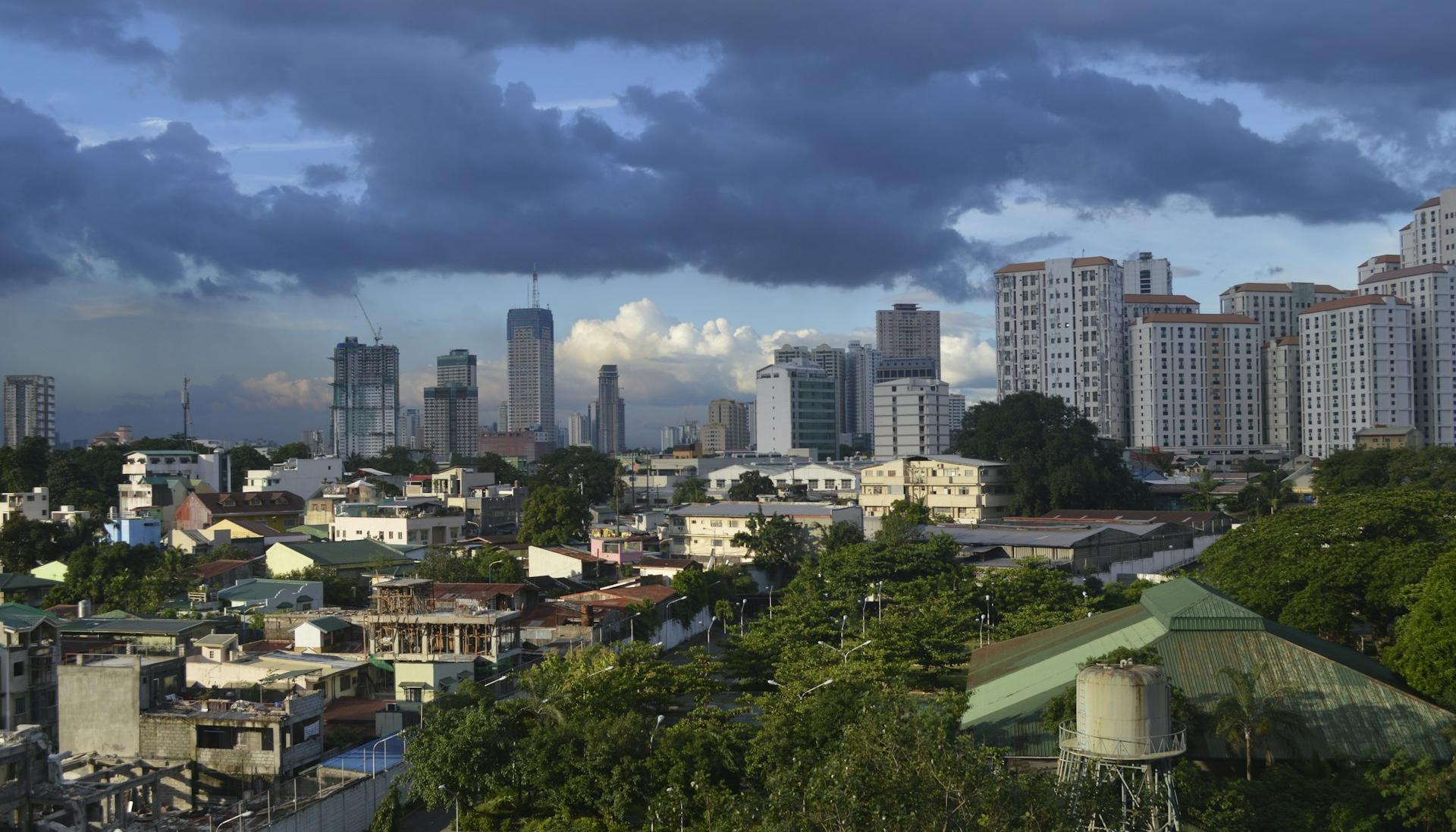
The 40% Foreign Cap: How Condo Ownership Actually Works in the Philippines
A foreigner can own a condominium unit in the Philippines outright, in their own name, with full title. They cannot own the land underneath it. They cannot own a townhouse where they would hold land. They cannot use a corporation as a workaround unless that corporation is at least 60 percent Filipino-owned. Underneath those rules sits one number that controls the entire market: the 40 percent foreign ownership cap in any given condominium project. Understanding how that cap works is the difference between buying a unit you actually own and buying a unit that turns out to be unsellable.
What the law actually says
Two constitutional and statutory rules combine to produce the framework. Article XII, Section 7 of the 1987 Constitution restricts ownership of land to Filipino citizens and to corporations that are at least 60 percent Filipino-owned. The Foreign Investments Act and decades of jurisprudence have reinforced this. The Supreme Court in Hulst v. PR Builders, Inc. (G.R. No. 156364, September 25, 2008) confirmed that foreigners can hold condominium units but not the underlying land, and that any transfer arrangement that gives a foreigner indirect control of land is void.
The Condominium Act, Republic Act No. 4726 of 1966, creates the condominium as a legal form: the building is divided into units that can be individually owned, and the land is held by a condominium corporation in which unit owners hold shares. Section 5 of RA 4726 is the operative restriction: foreigners can hold condominium units only if no more than 40 percent of the total project (measured by floor area or by number of units, depending on the master deed) is foreign-owned.
The condominium corporation is regulated by the Securities and Exchange Commission. It must keep its capital stock at least 60 percent Filipino-owned at all times. The Solicitor General can file quo warranto proceedings to dissolve a corporation that breaches the rule. Willful circumvention is a criminal offense under the Anti-Dummy Law (Commonwealth Act No. 108, as amended), with prison terms up to 12 years and disqualification from holding any position in the corporation.
How the 40 percent cap actually plays out
The cap is enforced at the corporation level, not the unit level. When a foreigner tries to buy a unit, the developer or the condo corporation runs a check on current foreign ownership in the project. If the project is at 38 percent and the sale would push it past 40 percent, the sale cannot legally close.
This produces two practical problems for foreign buyers. First, popular projects in Makati CBD, BGC, Cebu IT Park, and Mactan beachfront commonly hit the 40 percent ceiling early in the sales cycle. The Land Registration Authority will not issue a Condominium Certificate of Title (CCT) in a foreigner's name once the project is at or above 40 percent. Second, on resale, a foreigner selling to another foreigner is only possible if the project is still under the cap at the time of the new sale. If the cap is hit, the seller can only sell to a Filipino buyer, and the resale pool is smaller and the price is typically lower.
Some developers reserve a permanent 40 percent allocation for foreigners and rotate it through the building's lifetime. Others sell to whoever shows up first. The master deed of the condominium and the developer's sales policies determine which approach applies. This document is a public record at the Register of Deeds and should be requested before any reservation fee is paid.
What "ownership" actually includes
A foreign condo unit owner gets a Condominium Certificate of Title (CCT) issued by the Land Registration Authority. The CCT is the title document, equivalent to a Transfer Certificate of Title (TCT) for land. It includes the unit's floor area, the percentage interest in the common areas, and the shares held in the condominium corporation that corresponds to that percentage.
Ask Bektu
Still have a question about buying in the Philippines?
Answers come from the records on file, with links to every source.
Considering a developer you read about here?
You cannot walk the land from another country. But you can verify the developer. Bektu contacts them on your behalf and sends you a scored report. They never see who asked.
Search and verify any developerMore from Bektu



Stay a step ahead of the wire transfer
Get the occasional note from Bektu on verifying developers before you commit. No noise, just what matters.
We will never share your email. You can opt out at any time.