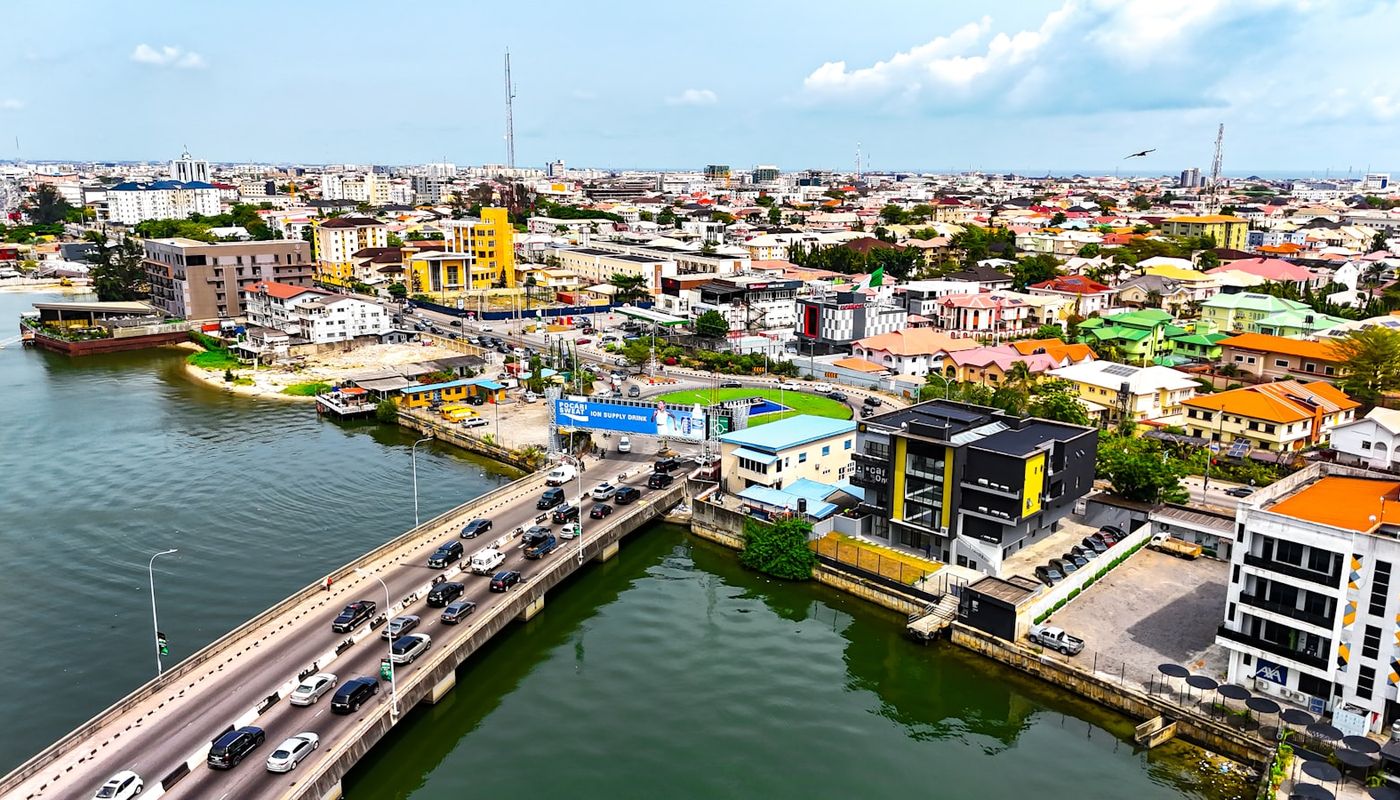
A Diaspora Buyer's Step-by-Step Guide to Buying Property in Nigeria (2026)
Most diaspora buyers lose money in Nigerian real estate for one reason: they buy remotely on trust instead of on verification. Lagos alone has logged more than 1,500 land fraud cases since 2020, and property scams cost the Nigerian economy an estimated 4 billion dollars a year. The good news is that almost all of it is avoidable if you follow a disciplined process. Here is the step-by-step guide for buying property in Nigeria from abroad, built around the points where diaspora money actually disappears.
Step 1: Decide your goal and your city
Start with what you want the property to do. Capital growth and a clean exit point you to Lagos, especially the Lekki and Ibeju-Lekki corridor where infrastructure like the Lagos-Calabar Coastal Highway is driving 18 to 25 percent forecast growth. Stable premium rent points to Abuja's intermediate districts such as Gwarinpa and Lugbe. Higher cash yield with slower resale points to Port Harcourt. Buying in the wrong city for your goal is a quiet, common mistake that does not look like fraud but costs you just the same.
Step 2: Understand what you are actually buying
Nobody owns land outright in Nigeria. Under the Land Use Act 1978, all land is vested in the state governor, and what you acquire is a right of occupancy, usually evidenced by a Certificate of Occupancy for a 99-year term. Confirm whether the title is a registered C of O or an interim Right of Occupancy, and remember that any resale transfer must be perfected by Governor's Consent under Section 22 of the Act. If a seller treats Governor's Consent as optional, stop.
Step 3: Verify the developer before anything else
This is the step that protects you most. The developers diaspora buyers use repeatedly tend to be the ones with visible delivery records. Zylus Homes, founded in 2018, has delivered estates like the Lekki Pride series and launched its Project 2000 Homes campaign. Veritasi Homes has operated since 2012 with a track record in Lekki. LandWey, Adron Homes, UPDC, Primewaterview, and Sujimoto are other names with established histories at different price points. A recognizable brand is a starting filter, not a guarantee. What you actually want to confirm is delivery: has this company handed over completed, titled units on the timeline it promised?
Do not rely on glossy brochures or a relative's say-so. Check the developer's delivery history independently. Platforms like Bektu (https://bektu.com) exist specifically to let remote buyers verify whether a developer has a record of completing and titling projects, which is the single most useful check before you part with a deposit.
Step 4: Engage your own lawyer, not the seller's
Hire an independent Nigerian property lawyer who represents you and only you. Their job is to conduct due diligence at the state Lands Bureau, confirm the title is genuine and unencumbered, verify the survey plan against official records, and check that the seller is the person entitled to sell. Less than 10 percent of Nigerian land is formally registered in government databases, which is exactly why a professional search matters. Your lawyer should also handle the Deed of Assignment and the Governor's Consent application. Paying for independent legal representation is the cheapest insurance you will buy in the whole transaction.
Step 5: Conduct the searches and confirm the title
Before money moves, your lawyer should complete a search at the Lands Registry confirming the C of O or R of O is authentic and registered to the seller, a physical inspection of the land confirming it matches the documents and is not under dispute or government acquisition, and a survey verification confirming the coordinates. Forged C of O documents, cloned receipts, and manipulated survey plans are standard tools of the trade for fraudsters, so the document looking real is not enough. It has to survive verification at the source.
Step 6: Beware the omo onile and the trusted relative
Two threats account for a large share of diaspora losses. The first is the omo onile problem, where local family representatives or outright impostors sell land they do not own, sometimes selling the same parcel to several buyers. The second is closer to home: many diaspora buyers send money to a relative or friend to handle the purchase, and Vanguard has documented numerous cases where those funds were mismanaged or diverted. The fix for both is the same. Money should flow to verified parties against verified documents, ideally through escrow or your lawyer's professional channels, never as an informal transfer based on trust.
Step 7: Budget for the full cost, not just the price
The headline price is not the total. Stamp duty is roughly 1.5 percent of assessed value, paid by the buyer at registration. Governor's Consent and registration fees typically run 3 to 5 percent. Legal fees and agency fees add more. When you eventually sell, capital gains tax is 10 percent of the gain, and Lagos owners pay an annual Land Use Charge, which offers a discount for early payment. Nigeria's Tax Act 2025 took effect on 1 January 2026 and reshaped parts of the real estate tax framework, so confirm current rates with your lawyer rather than assuming. Because you invest in hard currency and earn rent in naira, also budget for the exchange-rate effect on anything you plan to repatriate.
Step 8: Sort out residency if you intend to stay
A property purchase does not by itself grant residency, but Nigeria offers routes for foreigners who want to live in the country. The main document is the Combined Expatriate Residence Permit and Aliens Card, or CERPAC, issued by the Nigeria Immigration Service to foreigners staying a year or more, including business owners and investors. The Immigration Service moved CERPAC applications onto an exclusive digital platform from 1 August 2025, and has introduced an indefinite investor-oriented "Brown" CERPAC card, though full procedures for the investor route were still being published at the time of writing. If residency is part of your plan, treat it as a separate workstream handled with an immigration lawyer.
The pattern that keeps you safe
Every safe diaspora purchase follows the same shape: pick the city for your goal, confirm what right you are buying, verify the developer's delivery record, hire your own lawyer, complete the Lands Bureau searches, route money only to verified parties, budget for the full cost, and handle residency separately. Skip any one of those and you are relying on trust, which is precisely what the Nigerian property fraud machine is built to exploit. Follow all of them and you are buying on evidence, which is the only way to buy from thousands of miles away.
Sources
- 5 costly mistakes Nigerians in the diaspora make when buying property back home, Vanguard
- Property Taxes, Fees and Costs in Lagos (2026), The Africanvestor
- The Nigerian Tax Act 2025: Implications for the Real Estate Sector, Estate Intel
- Zylus Homes launches Lekki Avana, Nairametrics
- Combined Expatriate Residence Permit and Aliens Card (CERPAC), Nigeria Immigration Service
- Nigeria Immigration Service Launches Digital Residence Permit Platform, KPMG
Sign up to read the rest
Create a free account to keep reading. It only takes a minute.
Developers referenced
- Zylus Homes Lagos, Nigeria
- Veritasi Homes Lagos, Nigeria
- Adron Homes Lagos, Nigeria
- LandWey Lagos, Nigeria
Thinking about Zylus Homes?
You cannot walk the land from another country. But you can verify the developer. Bektu contacts them on your behalf and sends you a scored report. They never see who asked.
Verify Zylus Homes anonymouslyThinking about Veritasi Homes?
You cannot walk the land from another country. But you can verify the developer. Bektu contacts them on your behalf and sends you a scored report. They never see who asked.
Verify Veritasi Homes anonymouslyThinking about Adron Homes?
You cannot walk the land from another country. But you can verify the developer. Bektu contacts them on your behalf and sends you a scored report. They never see who asked.
Verify Adron Homes anonymouslyThinking about LandWey?
You cannot walk the land from another country. But you can verify the developer. Bektu contacts them on your behalf and sends you a scored report. They never see who asked.
Verify LandWey anonymouslyMore from Bektu

Stay a step ahead of the wire transfer
Get the occasional note from Bektu on verifying developers before you commit. No noise, just what matters.
We will never share your email. You can opt out at any time.