Mexico Fideicomiso: How Foreigners Own Coastal Property in the Restricted Zone
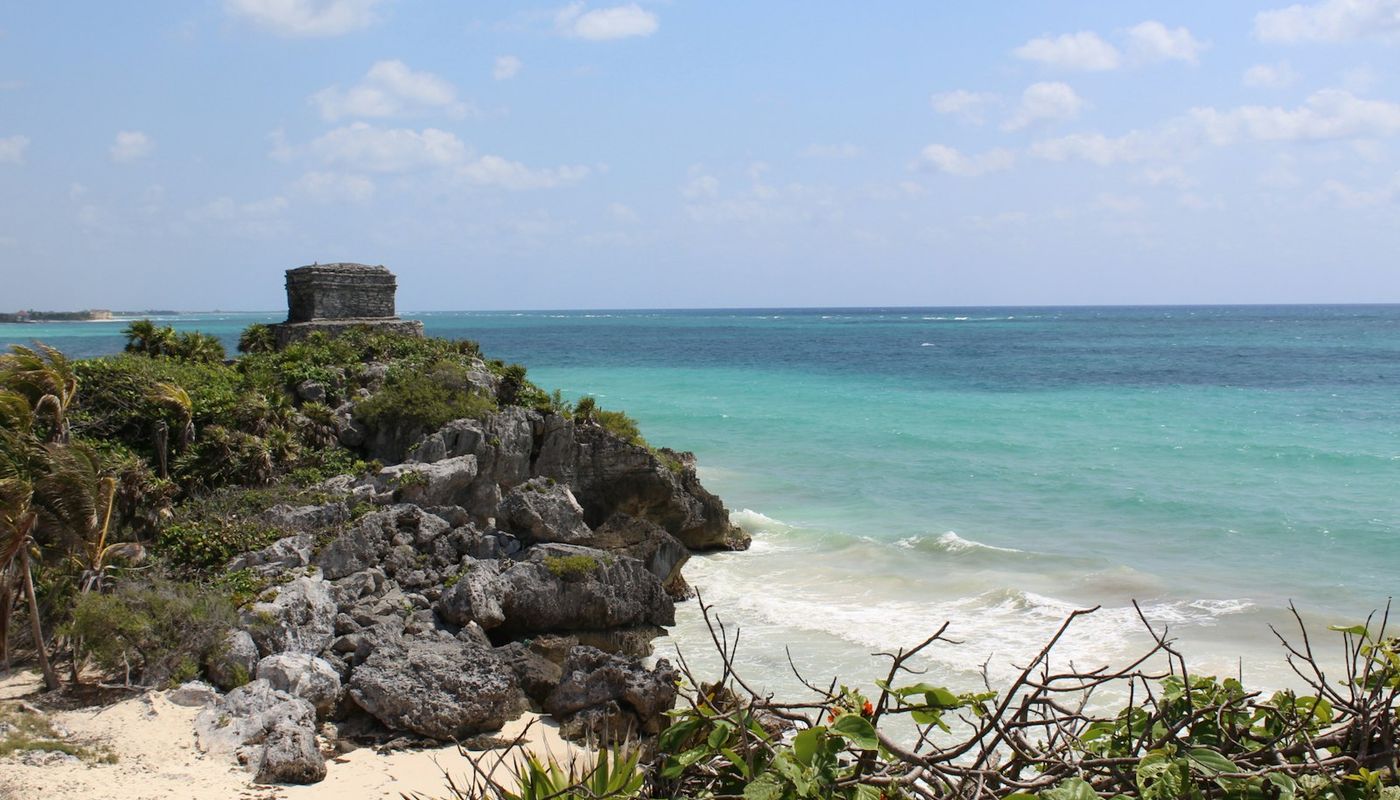
Foreigners can own coastal property in Mexico, including beachfront homes in Tulum, Cabo, Puerto Vallarta, and Playa del Carmen. They just cannot hold the title directly. Inside the "restricted zone," the legal owner of record is a Mexican bank acting as trustee, and the foreign buyer is the beneficiary of a trust called a fideicomiso. The beneficiary holds every meaningful right of ownership. This is not a loophole or a workaround. It is the exact mechanism Mexican law created to let foreigners own restricted-zone real estate.
The restriction itself comes from Article 27 of the Mexican Constitution. It bars foreigners from directly acquiring land within 100 kilometers of the international borders and within 50 kilometers of the coastline. Almost every desirable beach market in Mexico sits inside that 50-kilometer coastal strip, which is why nearly every foreign beach purchase runs through a fideicomiso.
How the fideicomiso works
The Foreign Investment Law (Ley de Inversión Extranjera), enacted in 1993, is the statute that authorizes the trust structure and sets its terms. Under it, a Mexican bank, authorized and regulated to act as trustee, takes legal title to the restricted-zone property. The foreign buyer is named as the trust beneficiary.
As beneficiary, you hold the full bundle of ownership rights. You can occupy the property, renovate it, rent it out and keep the income, sell it to anyone, and name your heirs directly in the trust so the property passes outside Mexican probate. The bank cannot sell, encumber, or deal with the property without your written instruction. The trustee holds bare legal title and acts only on the beneficiary's direction.
The trust runs for a 50-year term and is renewable for additional 50-year periods on application, with no limit on the number of renewals. The renewal is administrative, not a re-purchase. The bank charges an annual trustee fee, typically a few hundred dollars, which is the recurring cost of the structure.
To establish the trust, the buyer obtains a permit from the Secretaría de Relaciones Exteriores (the Ministry of Foreign Affairs), which authorizes the bank to hold the property in trust for a foreign beneficiary. The transaction is then formalized before a notario público, the Mexican notary who has far broader legal authority than a notary in the United States and is responsible for verifying title and registering the deed.
Outside the restricted zone, and the corporate alternative
If the property sits outside the 50-kilometer coastal and 100-kilometer border zones, a foreigner can take direct title in their own name, with no trust required. This is why interior cities like Mérida, San Miguel de Allende, and much of Mexico City are bought on direct deeds while the coast runs on fideicomisos.
There is also a second route for restricted-zone property used mainly for investment or commercial purposes. A Mexican corporation, which a foreigner may wholly own, can hold restricted-zone land directly if the property is used for non-residential purposes. For a pure vacation home, the fideicomiso is the standard and cleaner choice. For rental-heavy or commercial holdings, buyers sometimes weigh a Mexican company against the trust, and the right answer depends on tax treatment and how the property will actually be used.
Where buyers get hurt
The fideicomiso itself is safe and well established. The damage in Mexican coastal deals almost always comes from the property, not the structure. The most common problems are ejido land, communally held agrarian land that cannot be sold like private property until it has been formally regularized, and developments built without complete permits. A fideicomiso over ejido land that was never properly converted is a trust over a defective asset.
This is why the developer and the underlying title matter more than the trust paperwork. A buyer needs to confirm that the land is private property with a clean registered title, that the development holds its construction and environmental permits, and that the developer has actually delivered titled, trust-held units to past foreign buyers. Platforms like Bektu (https://bektu.com) let buyers check a developer's delivery history and verify whether prior projects produced clean fideicomiso transfers, rather than trusting a sales pitch on the beach. Buyers planning to spend significant time in the country should also understand how property ownership interacts with Mexican residency, and it is worth reviewing the developers with the strongest records serving foreign buyers before committing.
The bottom line
A foreigner buying a beach home in Mexico will own it through a fideicomiso, hold every right an owner expects, renew the trust indefinitely, and pass it to heirs without probate. The Constitution blocks direct title inside the restricted zone, the 1993 Foreign Investment Law provides the trust, and a Mexican bank holds bare legal title on your instruction. The structure is sound. The work for the buyer is confirming the land is clean, the permits are real, and the developer has delivered before.
Sources
- Restrictions on Acquisition of Real Estate by Foreigners in Mexico's Restricted Zone (CCN Law)
- Details of a Bank Trust for Property in the Restricted Zone (MexLaw)
- Foreign Investment in Mexican Real Property (Primerus)
- Understanding the Fideicomiso: Buying Coastal Property in Mexico (Brevitas)
Sign up to read the rest
Create a free account to keep reading. It only takes a minute.
Considering a developer you read about here?
You cannot walk the land from another country. But you can verify the developer. Bektu contacts them on your behalf and sends you a scored report. They never see who asked.
Search and verify any developerMore from Bektu
Stay a step ahead of the wire transfer
Get the occasional note from Bektu on verifying developers before you commit. No noise, just what matters.
We will never share your email. You can opt out at any time.