Mexico Real Estate FAQ for Foreign Buyers: Fideicomiso and Restricted Zone Explained
Mexico is one of the most popular places in the world for foreign property buyers, and also one of the most misunderstood. The headlines about foreigners not being allowed to own coastal land are technically rooted in the constitution but practically solved by a trust structure that has worked for decades. Below are the questions foreign buyers ask most often, answered with the rules as they stand in 2026.
Can foreigners own property in Mexico?
Yes, foreigners can own property in Mexico, and outside the restricted zone they can hold direct title in their own name just like a Mexican citizen. Inside the restricted zone, which covers the most desirable coastal and border areas, foreigners own residential property through a bank trust or a Mexican corporation rather than direct title. The right to own is not in doubt; only the mechanism changes depending on location.
What is the restricted zone in Mexico?
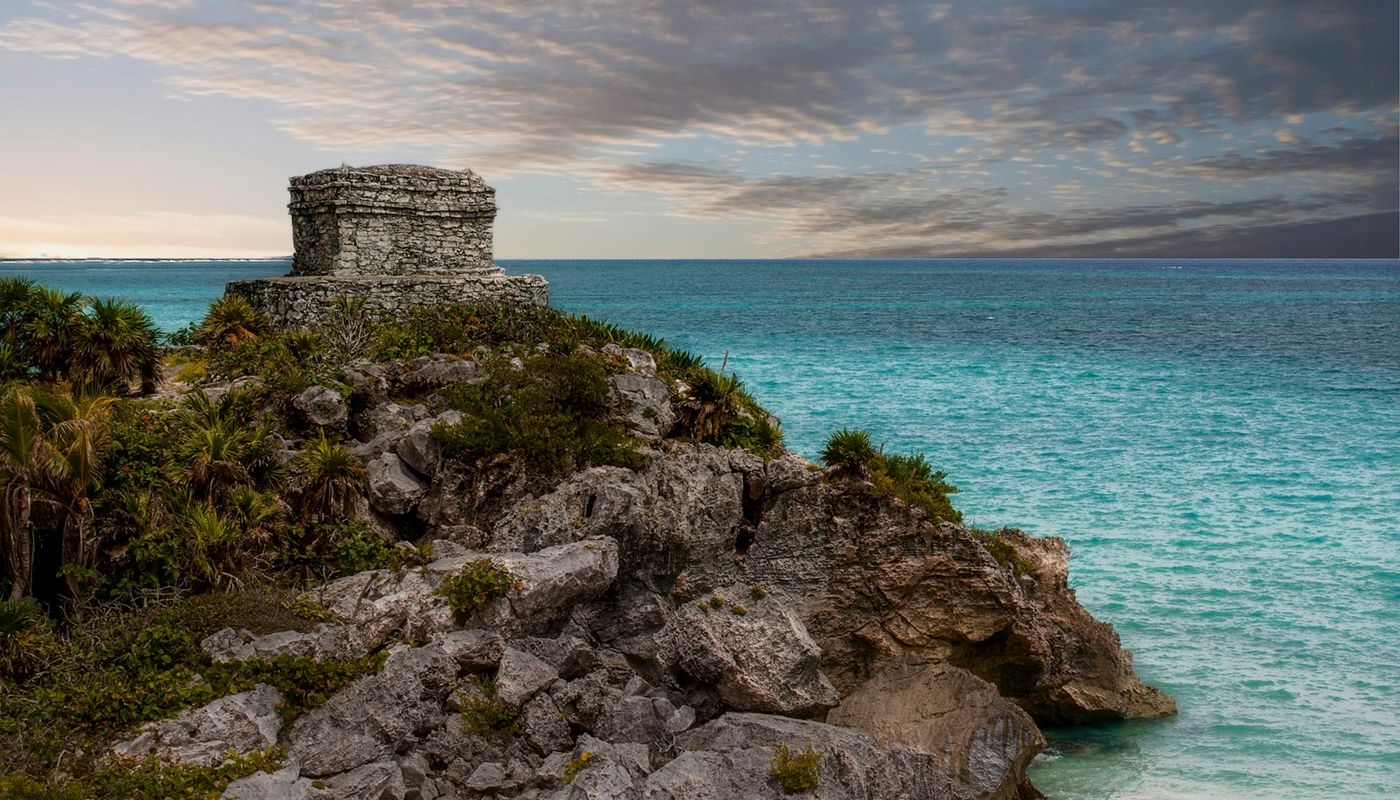
The restricted zone is the strip of land within 50 kilometers of any coastline and within 100 kilometers of any international border, defined under Article 27 of the Mexican Constitution. Because most beach destinations such as Cancun, Playa del Carmen, Tulum, Puerto Vallarta, and Los Cabos sit inside this band, the restricted zone is exactly where most foreign buyers want to be. Property outside the zone, including inland cities like Mexico City, Guadalajara, and San Miguel de Allende, can be held in direct foreign ownership.
What is a fideicomiso?
A fideicomiso is a bank trust in which a Mexican bank holds legal title to restricted-zone property while you, the foreign buyer, hold all the beneficial rights as the trust's beneficiary. Those rights are functionally equivalent to ownership: you can use, rent, renovate, sell, and pass the property to your heirs, and you keep all proceeds from a future sale. The bank acts only on your instruction and has no claim on the property's value.
Is a fideicomiso safe?
A fideicomiso is a long-established and regulated structure, and the property is not an asset of the bank, so it is protected if the bank fails and simply transfers to another authorized institution. The trust is granted under permit from the Ministry of Foreign Affairs (SRE) and recorded by a notario público. It is the standard mechanism that hundreds of thousands of foreign owners use, not a loophole or a workaround.
How long does a fideicomiso last?
A fideicomiso is granted for a term of 50 years and is renewable for additional 50-year periods, and the renewal is a routine administrative step rather than a one-time chance. You can also sell the property at any time, and the buyer either takes over the existing trust or establishes a new one. The 50-year term is not a deadline on your ownership; it is a renewable cycle.
How much does a fideicomiso cost?
Setting up a fideicomiso typically costs in the range of 2,000 to 3,000 US dollars, with an annual maintenance fee to the bank of roughly 500 to 1,000 US dollars. These are in addition to the normal closing costs of the purchase. The annual fee is the ongoing price of the structure and should be budgeted as a fixed holding cost.
Can I use a Mexican corporation instead of a fideicomiso?
Yes, a Mexican corporation can hold restricted-zone property in direct ownership, and this route is often used for commercial property or when an investor owns multiple units. A corporation makes less sense for a single vacation home, because it carries accounting, tax filing, and compliance obligations that a fideicomiso does not. For one residential property, the trust is usually simpler and cheaper than running a company.
What is the role of the notario público?
The notario público is a senior, government-appointed lawyer who is legally required to formalize the transaction, verify title, calculate and withhold taxes, and record the deed at the Public Registry. The notario is not optional and is not the same as a notary in the United States; this office carries real legal authority over the transfer. Choosing a competent notario and confirming the title search is one of the most important steps in a Mexican purchase.
What taxes do I pay when buying property in Mexico?
The main closing tax is the acquisition tax (ISAI), which varies by state and commonly runs between 2 and 5 percent of the transaction value, and it is usually the single largest closing cost. On top of that you pay notario fees, the Public Registry fee, and trust setup costs if you use a fideicomiso. Buyers should budget total closing costs of roughly 5 to 8 percent of the price depending on the state.
What is ejido land and why is it dangerous?
Ejido land is communal agricultural land held collectively by a community, and it cannot legally be sold to a foreigner unless it has first been converted to private property (dominio pleno) and recorded at the Public Registry. Buying ejido land that has not been regularized is one of the fastest ways to lose money in Mexico, because the seller cannot give you valid title no matter what documents they show. Always confirm through the notario that the land is private property, not ejido, before paying anything.
Do I need to be a resident to buy property in Mexico?
No, you do not need residency or any visa to buy property in Mexico, and many owners hold their homes as non-residents who visit on tourist permits. Owning property does not by itself grant residency, though it can support a temporary or permanent residency application made on separate financial grounds. Ownership and immigration status are independent of each other in Mexico.
Can I rent out my Mexican property?
Yes, you can legally rent out property held in a fideicomiso, and rental income is one of the rights the trust beneficiary holds. Rental income earned in Mexico is taxable in Mexico, and you are expected to register and report it, with tax obligations that differ for short-term and long-term rentals. Treating rental income as reportable from the start avoids problems when you later sell.
What capital gains tax applies when I sell?
Mexico taxes the gain on a property sale, and the calculation is handled by the notario at closing, with the rate and any exemptions depending on your residency status and whether the property was your primary residence. Primary-residence exemptions exist but have strict documentation requirements that non-residents often cannot meet. Plan for capital gains exposure rather than assuming an exemption will apply, and keep records of improvement costs that can reduce the taxable gain.
What happens to my Mexican property when I die?
A fideicomiso lets you name substitute beneficiaries who inherit the trust directly, which can avoid a Mexican probate process for that property. This is one of the underrated advantages of the trust structure for foreign owners. Without proper beneficiary designation, heirs can face a slow and costly succession process, so confirming the named beneficiaries at setup and keeping them current is important.
How do I avoid scams when buying in Mexico?
Use a notario público and an independent attorney, confirm the property is private title and not ejido, verify the seller actually holds the rights they claim, and never hand over money before the title search is complete. Many foreign-buyer losses in Mexico trace back to skipping these steps under sales pressure. Transparency platforms such as Bektu exist to help foreign buyers cross-check developers and projects before committing, which is useful when buying off-plan or from an unfamiliar company.
What is the single biggest mistake foreign buyers make in Mexico?
The most common mistake is treating the fideicomiso as a reason for fear when it is actually the solution, and either walking away from good coastal property or, worse, trying to avoid the trust with an informal arrangement that gives no real title. The second is failing to verify ejido status. A properly structured fideicomiso purchase, formalized by a competent notario, gives a foreign buyer secure and inheritable ownership of Mexican property.
Sources
- MexicoLife: Buying property in Mexico's restricted zone, fideicomiso guide
- Taxes for Expats: Buying property in Mexico as an American 2026 guide
- CCN Law: Restrictions on acquisition of real estate by foreigners in Mexico's restricted zone
- Baja Properties: Fideicomiso, how foreigners buy real estate in Mexico
Sign up to read the rest
Create a free account to keep reading. It only takes a minute.
Considering a developer you read about here?
You cannot walk the land from another country. But you can verify the developer. Bektu contacts them on your behalf and sends you a scored report. They never see who asked.
Search and verify any developerMore from Bektu


Stay a step ahead of the wire transfer
Get the occasional note from Bektu on verifying developers before you commit. No noise, just what matters.
We will never share your email. You can opt out at any time.