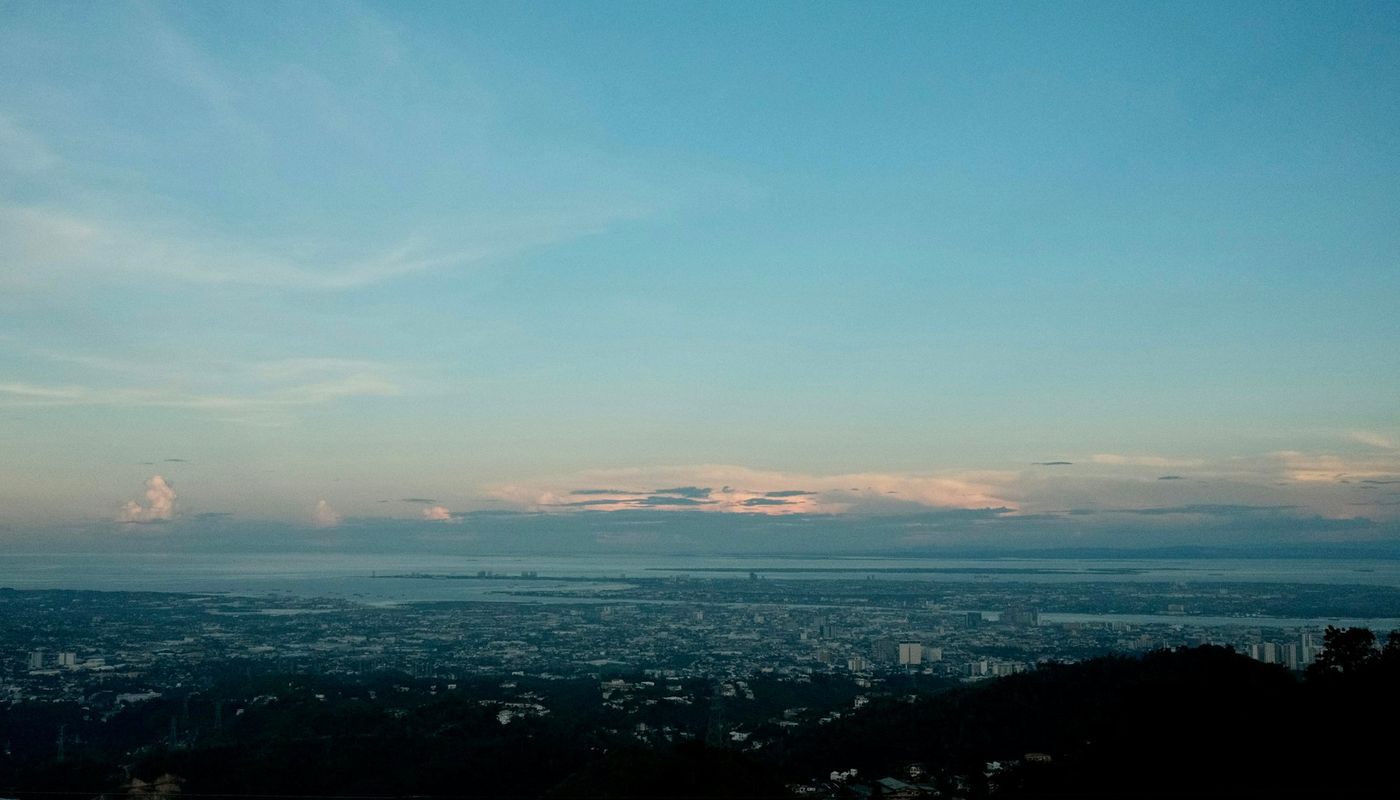
Manila, Cebu, or Davao? Three Philippine Property Markets Compared (2026)
Manila, Cebu, or Davao? Three Markets, Three Strategies (2026)
A foreign buyer choosing between Metro Manila, Metro Cebu, and Davao City is choosing between three different versions of the Philippine property market. The 40 percent foreign cap under RA 4726 applies in all three. Beyond that, the cities diverge sharply on pricing, supply pipeline, rental demand, and the kind of buyer who tends to do well in each.
This is a comparison of where the markets stand in 2026, what each one is actually good for, and where the structural risks sit.
Roughly 70 percent of foreign-eligible condominium stock in the Philippines sits in Metro Manila and Cebu City. Davao, Boracay, Tagaytay, Subic, and Clark together account for less than 20 percent, and the rest is scattered across smaller provincial corridors. That concentration is why the city decision drives yield, exit liquidity, developer choice, and how hard the foreign quota bites.
Price Per Square Meter: The Headline Number
In Q3 2025, the average price for a luxury three-bedroom condominium in Metro Manila's central business districts was approximately PHP 202,590 per square meter, or roughly USD 3,451. Bonifacio Global City and Rockwell continue to lead, with ultra-premium units in BGC reaching PHP 600,000 per square meter or more.
Cebu prime condominium pricing in 2026 sits between PHP 75,000 and PHP 200,000 per square meter, with Cebu Business Park, IT Park, and Mandaue waterfront commanding the high end. Davao median condo pricing is approximately PHP 185,000 per square meter, though the average is dragged up by recent Lanang and Bajada launches that target the same buyer profile as Cebu Business Park.
Manila trades at roughly 2x to 4x the price per square meter of comparable units in Cebu or Davao. That premium reflects scarcity of CBD land, transit infrastructure, and the depth of the rental market. It also means the rental yield math is fundamentally different in each city.
The Cebu average condominium price sits around PHP 6.84 million, which is where the per-square-meter gap turns into an actual entry ticket. Colliers Philippines forecasts 2 to 5 percent nominal price appreciation nationwide over the next 12 months, with Metro Manila condominiums flat to marginally up and provincial corridors including Cavite, Laguna, and Cebu outperforming at 5 to 7 percent. Manila CBD pricing has been broadly flat since 2023, and unsold inventory from 2020 to 2023 launches in BGC and Makati still weighs on secondary-market liquidity.
Rental Yield and Tenant Profile
Metro Manila gross rental yields on prime condominiums in 2026 typically run 4 to 6 percent. Net yields after association dues, real property tax, broker fees, and vacancy generally fall to 2.5 to 4 percent. The tenant base is BPO professionals, multinational employees, and short-stay corporate tenants. BGC and Makati turn over fast, but the rental floor is supported by employer relocation budgets.
Cebu yields are higher, often 5 to 7 percent gross, because the entry price is lower and the IT-BPO sector in IT Park is still expanding. Tenant demand concentrates in IT Park and Cebu Business Park, with Mactan island supporting a separate short-stay market driven by tourism.
Davao is the most stable of the three and the slowest. Yields are 4 to 5 percent gross, with very low volatility. The Davao tenant base is regional government, medical professionals, and Mindanao corporate offices, not international corporates. Vacancy is rare, but rent escalation is also modest. Price appreciation in Davao runs 3 to 5 percent annually on condominiums, similar to Cebu but from a lower base.
The Supply Pipeline
Metro Manila is the most oversupplied of the three cities at the mid-market level. New launches in Pasig, Quezon City, and Parañaque continue to add inventory at the PHP 100,000 to PHP 150,000 per square meter range. Pre-selling inventory carries delivery and developer risk that secondary-market BGC and Rockwell stock does not.
Cebu has tighter supply at the prime end. Mandani Bay, a 20-hectare waterfront development by HTLand (a joint venture between Hongkong Land and Taft Properties), is the largest single project shaping Cebu's prime market in 2026. Ayala Land's continued Cebu Business Park expansion and Megaworld's Mactan Newtown remain the reference projects for foreign buyers.
Davao supply has accelerated since 2024. Damosa Land, named Best Boutique Developer at the 2025 PropertyGuru Philippines Property Awards, leads local developer launches in Lanang. National developers including Ayala, Megaworld, and SMDC have all launched Davao projects, but inventory is still small relative to demand.
Foreign Quota Pressure
The 40 percent foreign cap under RA 4726 binds tightest where foreign demand is highest. In practice, that means specific BGC and Rockwell towers where foreign quotas fill within 12 to 18 months of launch. Mactan island in Cebu sees similar dynamics on beach-adjacent towers because of resort-style buyer demand from East Asia.
Davao foreign quotas almost never bind. The buyer pool in Davao remains predominantly Filipino, and most foreign-eligible units sit unsold from a quota standpoint. This is a quiet advantage of Davao: a foreign buyer entering a new project has full quota flexibility and can negotiate harder on price.
A foreign buyer in Manila or Cebu needs to verify foreign quota availability before signing. A foreign buyer in Davao usually does not face this constraint, though confirming with the developer in writing remains the right step.
Infrastructure and Connectivity
Metro Manila's North-South Commuter Railway and Metro Manila Subway projects are both under construction in 2026, with partial operations expected on the NSCR between 2027 and 2029. Properties within 500 meters of confirmed station locations along the C5 corridor have shown the strongest pre-completion appreciation.
Cebu's bus rapid transit project remains in early-stage construction, and the Cebu-Cordova Link Expressway opened in 2022 has shifted demand patterns toward Mactan and Cordova. Mactan-Cebu International Airport's Terminal 2 continues to drive resort and short-stay demand.
Davao's infrastructure is more limited. The Mindanao Railway Project's first phase, the Tagum-Davao-Digos segment, remains in delayed status as of 2026. Davao International Airport handles regional traffic but lacks the long-haul international connectivity of Manila or Cebu.
Developer Risk and Verification
The Philippines property market is dominated by a small number of major developers: Ayala Land (and subsidiaries Avida, Alveo, BellaVita), SM Prime Holdings (parent of SMDC), Megaworld, Robinsons Land, and Vista Land. These names operate in all three cities and have decades of delivery history.
Below the top tier, developer risk rises sharply. In Cebu and Davao, regional developers including Damosa Land, Taft Properties, AppleOne, and Cebu Landmasters have strong track records, but a foreign buyer should verify project-level delivery history rather than relying on the developer's brand alone.
Bektu (https://bektu.com) tracks developer delivery records across Philippine cities, which matters most for pre-selling projects where the buyer is paying years before the unit is built.
Before the Reservation Fee
Pre-selling is the dominant sales model in the Philippines, and most foreign buyers are purchasing units two to four years from turnover. Verify the developer's License to Sell from DHSUD and the SEC registration of the condominium corporation before paying any reservation fee.
Delivery delays of one to three years past the original turnover date are common across all three cities and across major developers. Title issuance, meaning the Condominium Certificate of Title in your name, often follows turnover by another 12 to 24 months, because the developer must first complete master title segregation and form the condominium corporation. Carrying costs run from contract signing, not from turnover.
The Strategic Choice
Metro Manila suits foreign buyers who want maximum liquidity, corporate-grade tenants, and exposure to the deepest Philippine secondary market. The price of entry is high, and yields are compressed.
Cebu suits foreign buyers looking for a balance of yield and capital appreciation, with a tenant base that includes both BPO and tourism demand. Quality inventory at prime locations is constrained, which protects pricing.
Davao suits foreign buyers who prioritize stability, low vacancy, and the ability to enter without foreign quota friction. The trade-off is slower appreciation and a thinner secondary market when the time comes to sell.
None of the three cities is structurally cheap in 2026, but each is cheap relative to a different benchmark. Manila is cheap relative to Singapore, Hong Kong, and Bangkok prime. Cebu is cheap relative to Manila. Davao is cheap relative to Cebu.
Boracay: The Fourth Option
Boracay sits outside the three-city comparison because it is supply-constrained by regulation rather than by land economics. Construction restrictions imposed after the 2018 environmental rehabilitation limit new development to a small number of approved zones. Units in legitimately permitted projects run PHP 200,000 to 400,000 per square meter, and the average Boracay house price is roughly PHP 6.17 million.
Short-term rental gross yields reach 10 to 18 percent in peak season, falling to 5 to 9 percent net after management, marketing, and maintenance. Occupancy outside peak months is variable, and environmental compliance enforcement is the sharpest regulatory risk of any Philippine market. Foreign quota fills fast on any new release, but the harder problem is finding a project that holds proper permits at all. Boracay is an operating business, not a passive holding.
Sources
- Philippines Residential Property Market Analysis 2026 (Global Property Guide)
- Davao City Real Estate Market Analysis 2026 (Bamboo Routes)
- Cebu Real Estate Market Analysis 2026 (Bamboo Routes)
- PropertyGuru Philippines Property Awards (Asia Property Awards)
- Republic Act No. 4726 (The Condominium Act)
- Department of Human Settlements and Urban Development
Sign up to read the rest
Create a free account to keep reading. It only takes a minute.
Developers referenced
- Ayala Land Makati, Philippines
- SMDC Pasay, Philippines
- Megaworld Taguig, Philippines
- Robinsons Land Quezon City, Philippines
- HTLand Mandaue, Philippines
- Damosa Land Davao City, Philippines
Thinking about Ayala Land?
You cannot walk the land from another country. But you can verify the developer. Bektu contacts them on your behalf and sends you a scored report. They never see who asked.
Verify Ayala Land anonymouslyThinking about SMDC?
You cannot walk the land from another country. But you can verify the developer. Bektu contacts them on your behalf and sends you a scored report. They never see who asked.
Verify SMDC anonymouslyThinking about Megaworld?
You cannot walk the land from another country. But you can verify the developer. Bektu contacts them on your behalf and sends you a scored report. They never see who asked.
Verify Megaworld anonymouslyThinking about Robinsons Land?
You cannot walk the land from another country. But you can verify the developer. Bektu contacts them on your behalf and sends you a scored report. They never see who asked.
Verify Robinsons Land anonymouslyThinking about HTLand?
You cannot walk the land from another country. But you can verify the developer. Bektu contacts them on your behalf and sends you a scored report. They never see who asked.
Verify HTLand anonymouslyThinking about Damosa Land?
You cannot walk the land from another country. But you can verify the developer. Bektu contacts them on your behalf and sends you a scored report. They never see who asked.
Verify Damosa Land anonymouslyMore from Bektu

Stay a step ahead of the wire transfer
Get the occasional note from Bektu on verifying developers before you commit. No noise, just what matters.
We will never share your email. You can opt out at any time.