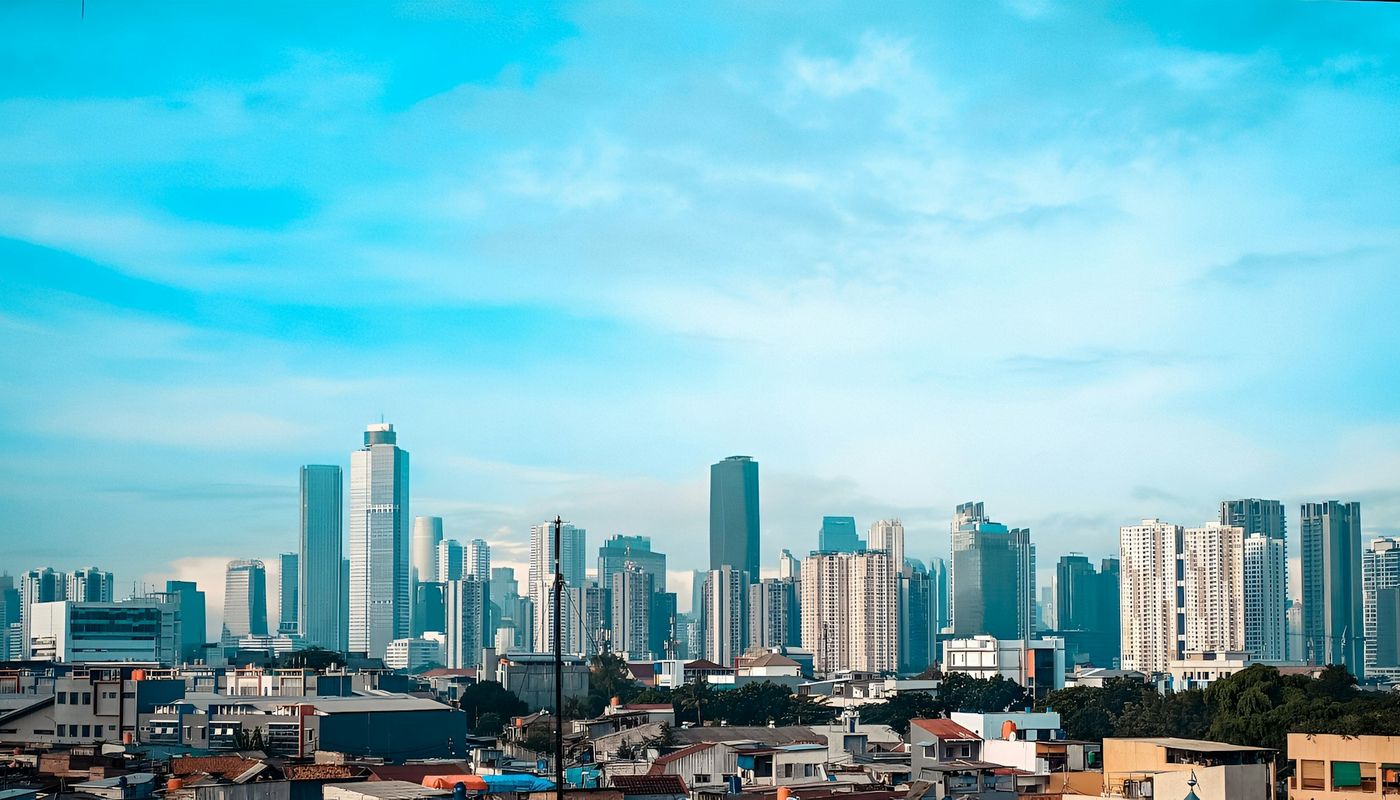
Hak Pakai Explained: How Foreigners Legally Hold Property in Indonesia (2026)
Hak Pakai Explained: How Foreigners Legally Hold Property in Indonesia (2026)
Foreigners cannot own freehold land in Indonesia. That right, called Hak Milik, is reserved for Indonesian citizens under Article 21 of the 1960 Basic Agrarian Law (UU No. 5/1960). The legal structure that gives foreigners a registered, certificated, inheritable right to a house, villa, or apartment is Hak Pakai, the Right to Use.
If you have been told you can "own" property in Bali or Jakarta as a foreigner, what the seller almost always means is Hak Pakai. Knowing exactly what Hak Pakai is, how long it lasts, what it costs, and where it breaks down is the difference between a safe purchase and a structure that collapses when you try to sell or pass it to your children.
What Hak Pakai actually is
Hak Pakai is one of the registered land rights recognised under Article 16 of the Basic Agrarian Law and elaborated in Government Regulation PP 18/2021 on Land Rights, Apartment Units, and Land Registration, which replaced PP 40/1996. It gives the holder the right to use land owned by the state, by a third party, or land originally held under Hak Milik, for purposes specified in the certificate.
For a foreigner, the practical effect is straightforward. You get a land certificate (Sertifikat Hak Pakai) issued by the National Land Agency (Badan Pertanahan Nasional, or BPN), registered in your personal name, with your passport details on it. You can live in the property, rent it out, sell it to another eligible buyer, mortgage it, and pass it to heirs. You cannot turn it into Hak Milik no matter how long you hold it.
How long Hak Pakai lasts
Under PP 18/2021 Article 49, Hak Pakai on state land granted to an individual is issued for an initial term of up to 30 years, extendable for a further 20 years, and renewable for another 30 years. The total maximum tenure is 80 years.
The 30 + 20 + 30 structure is often marketed as "80 years guaranteed." It is not guaranteed. Each extension and renewal requires an application to the local land office, payment of fees, and confirmation that you still meet the eligibility requirements, including holding a valid residence permit at the time of renewal. If you no longer hold the right kind of visa when the 30-year term expires, the extension can be refused.
Who is eligible to hold Hak Pakai
The eligibility criteria for foreign individuals are set out in PP 18/2021 Article 71 and clarified by Minister of Agrarian and Spatial Planning Regulation Permen ATR/BPN No. 18/2021 and subsequent guidance. To register Hak Pakai in your own name, you must be a foreign national who provides a benefit to Indonesia's development and hold a valid stay permit.
In practice, BPN offices accept holders of a KITAS (Limited Stay Permit), KITAP (Permanent Stay Permit), Second Home Visa, or Golden Visa. Some regional offices have applied stricter readings and refused Hak Pakai registration for short-stay visa holders. Before paying a deposit, confirm with the specific BPN office covering the property that your current visa class is accepted.
What you can actually buy under Hak Pakai
Hak Pakai applies both to land and to apartment units. For landed property, the certificate covers a defined plot. For apartments, foreigners receive Strata Title Apartment Hak Pakai (Sertifikat Hak Milik Atas Satuan Rumah Susun, or SHMSRS, in the Hak Pakai variant), which gives a registered right to a unit plus a proportional share of common areas.
Government Regulation PP 18/2021 and follow-up implementing regulations introduced minimum price thresholds for properties that foreigners are allowed to register. As of 2026, the floor prices in the major markets are:
- Jakarta: IDR 5 billion for an apartment unit, IDR 10 billion for a landed house
- Bali: IDR 3 billion for an apartment, IDR 5 billion for a landed house
- Other regions: thresholds vary by province under Ministerial Decree Kepmen ATR/BPN No. 1241/SK-HK.02/IX/2022
These thresholds rule out cheap properties marketed to foreigners. If a developer or agent offers to sell you a landed villa for IDR 3 billion in Canggu, you cannot register it as Hak Pakai in your own name at that price.
Hak Pakai versus the alternatives
Three other structures are commonly pitched to foreigners. None of them are equivalent to Hak Pakai.
Leasehold (Hak Sewa). A long-term lease, typically 25 to 30 years, from a Hak Milik holder. Leasehold is faster and cheaper to set up than Hak Pakai because you skip the BPN registration and the minimum price floor, but you do not own anything that can be inherited or sold as a standalone asset. At the end of the lease, the property reverts to the freeholder. Most "buy a villa in Bali for USD 200,000" listings are leasehold deals.
Nominee Hak Milik. An Indonesian citizen holds the Hak Milik certificate on paper while the foreign buyer holds a side agreement claiming beneficial ownership. This is illegal under Article 26 of the Basic Agrarian Law, which voids any transfer of Hak Milik to a foreigner. Indonesian courts have repeatedly invalidated nominee arrangements when contested, and the foreigner loses the property and the purchase money.
PT PMA with Hak Guna Bangunan (HGB). A foreign-owned limited company can hold Hak Guna Bangunan, the Right to Build, on land for 30 + 20 + 30 years. This is the standard structure for foreign property businesses, especially short-term rental villas in Bali. HGB through a PT PMA is legal and registered, but you are running a company: annual tax filings, business licensing, audit obligations, and minimum capital. It is overkill for a single residential property unless you also plan to rent commercially.
For most foreign buyers who want a registered right under their own name and intend to live in or hold the property personally, Hak Pakai is the cleanest legal route.
The Second Home Visa pathway
Indonesia's Second Home Visa, introduced by Directorate General of Immigration Regulation No. IMI-0740.GR.01.01 of 2022 and refined in subsequent regulations, gives qualifying foreigners a 5 or 10-year residence permit. One qualification route is property ownership at a minimum value of USD 1 million under Hak Pakai title.
The visa solves the residence permit eligibility problem for Hak Pakai registration, and the 10-year term reduces the friction of repeated extensions. The downsides are the high property threshold, restrictions on commercial use of the property, and prohibitions on withdrawing the qualifying deposit during the visa term.
What to verify before you sign
Hak Pakai is only as safe as the underlying title. Before paying any deposit, get the following confirmed by an independent PPAT notary, not the one introduced by the seller.
1. The current land certificate. Is it Hak Milik, HGB, or Hak Guna Usaha? The conversion path to Hak Pakai differs for each.
2. Title chain. Has the certificate been mortgaged, encumbered, or pledged in a separate agreement?
3. Zoning. The local KKPR (Konfirmasi Kesesuaian Kegiatan Pemanfaatan Ruang) should match the intended use. A "residential" villa in agricultural-zoned land is a common Bali problem.
4. Building permits. The Persetujuan Bangunan Gedung (PBG, formerly IMB) must match the physical structure. Unpermitted extensions are widespread.
5. Tax clearance. Land and Building Tax (PBB) and any outstanding income tax on the seller must be settled before the deed (AJB) is signed.
6. BPN registration timeline. The notary should commit to a specific deadline for filing the title transfer with the local land office. Delayed registration is the most common cause of disputes.
Platforms like Bektu track developer delivery histories and ownership-structure disclosures across Indonesia. Cross-referencing a developer's record before signing a Hak Pakai purchase narrows the risk that the building permit, zoning, or construction quality will fail to match what the brochure promised.
The bottom line
Hak Pakai is the only registered, certificated property right that a foreign individual can legally hold in Indonesia in their own name. It runs up to 80 years across renewals, requires a valid residence permit, imposes minimum property prices in major markets, and gives you a real asset that you can sell, mortgage, and inherit. Leasehold is shorter and weaker. Nominee Hak Milik is illegal and routinely loses in court. PT PMA with HGB is a business structure, not a personal home.
If a seller, agent, or developer in Bali or Jakarta does not want to talk you through which of these structures applies to the specific property they are selling, that is the deal you walk away from.
Sources
- Government Regulation PP 18/2021 on Land Rights (BPN)
- Basic Agrarian Law UU No. 5/1960
- Indonesia Property Ownership for Foreigners: 2026 Rules — Rumavi
- Can Foreigners Buy Property in Indonesia? The Complete 2026 Guide — Kinnara.Asia
- Property Foreign Ownership Indonesia (2026) — Bamboo Routes
- Laws and Regulations for Buying Property in Indonesia — Emerhub
- Property Ownership In Indonesia: Regulations For Foreign Investors — Invest Islands
Sign up to read the rest
Create a free account to keep reading. It only takes a minute.
Considering a developer you read about here?
You cannot walk the land from another country. But you can verify the developer. Bektu contacts them on your behalf and sends you a scored report. They never see who asked.
Search and verify any developerMore from Bektu


Stay a step ahead of the wire transfer
Get the occasional note from Bektu on verifying developers before you commit. No noise, just what matters.
We will never share your email. You can opt out at any time.