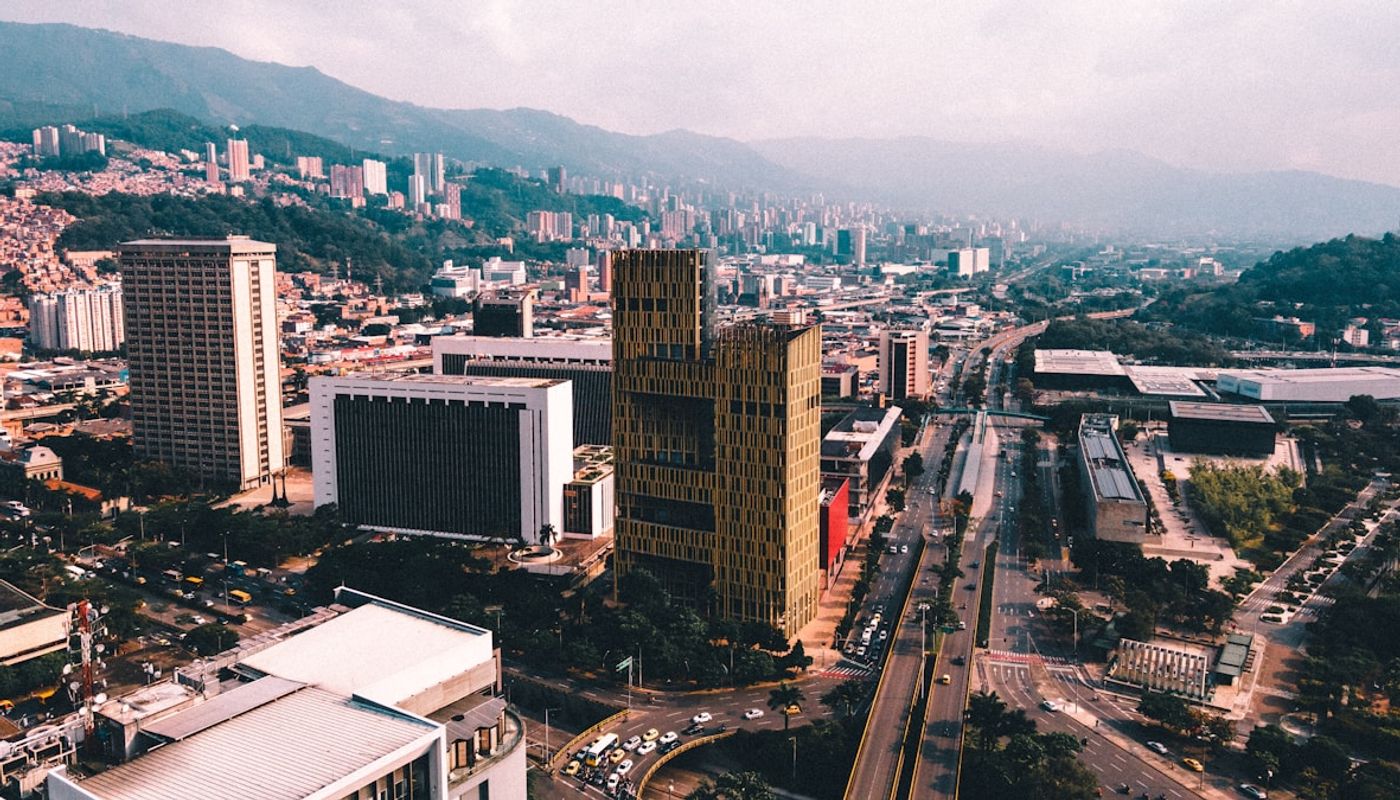
Digital Nomad Visa and Property Investment in Colombia 2026
Colombia's Digital Nomad Visa
Colombia introduced its digital nomad visa (Visa Tipo V - Nomada Digital) in 2022 through Resolution 5477 of 2022, issued by the Ministry of Foreign Affairs. The visa allows foreign nationals who work remotely for companies or clients outside Colombia to live in the country for up to two years.
Eligibility Requirements
The applicant must demonstrate remote employment or freelance work for foreign entities, a minimum monthly income of three times Colombia's minimum wage (approximately $3,600 USD/month in 2026 based on projected minimum wage increases), health insurance valid in Colombia, a clean criminal record, and a valid passport with at least six months validity.
Application Process
Applications are submitted online through the Ministry of Foreign Affairs visa portal at https://www.cancilleria.gov.co. Processing time is typically 5-15 business days. The visa fee is approximately $177 USD (subject to change). After receiving the visa, you must register with Migracion Colombia and obtain a cedula de extranjeria (foreign ID card) within 15 days of arrival.
Duration and Renewal
The visa is issued for up to two years. It can be renewed for an additional two years. After four years on the nomad visa, holders can apply for a Visa Tipo R (Resident Visa).
Tax Implications of the Digital Nomad Visa
This is where it gets complicated. Under Colombian tax law (Estatuto Tributario, Article 10), you become a Colombian tax resident if you spend 183 or more days in Colombia during any consecutive 12-month period. Tax residency means worldwide income taxation.
However, the digital nomad visa itself does not create tax residency. The 183-day rule does. Many digital nomads spend enough time in Colombia to trigger tax residency. Once tax resident, you are subject to Colombian income tax on your worldwide income at progressive rates up to 39%.
Double taxation treaties may provide relief. Colombia has treaties with Spain, Switzerland, Canada, Mexico, Chile, Portugal, the UK, France, the Czech Republic, South Korea, India, Italy, UAE, and Japan, among others. The full list is maintained by DIAN at https://www.dian.gov.co.
Property Investment Alongside the Digital Nomad Visa
Property as a Residency Pathway
Owning property in Colombia does not automatically grant residency. However, property investment can support a Visa Tipo M (Migrant Visa) application under the "real estate investment" category. The minimum investment threshold is 350 times the Colombian monthly minimum wage (approximately $140,000 USD in 2026).
This creates an alternative path: buy property meeting the threshold, apply for a Visa Tipo M, and after five years, apply for a Visa Tipo R (Resident Visa) and eventually Colombian citizenship.
Combining the Nomad Visa with Property Investment
A common strategy: arrive on the digital nomad visa, purchase property, then transition to a Visa Tipo M based on the property investment. The Tipo M offers more stability (three-year validity, easier renewal) and counts toward permanent residency.
Rental Income Taxation
If you own rental property in Colombia while on a nomad visa and have become a tax resident (183+ days), your rental income is taxed alongside your other worldwide income. If you are not a tax resident, only your Colombian-source income (the rental income) is taxed at the non-resident rate.
Non-resident rental income is subject to a flat withholding rate. The tenant (if a company) or the property management company should withhold this tax. If the tenant is an individual, you must declare and pay the tax through a Colombian tax return.
Practical Considerations
Banking
Opening a Colombian bank account as a digital nomad visa holder is possible but varies by bank. Bancolombia, Davivienda, and BBVA Colombia typically accept foreign residents with a cedula de extranjeria. Having a bank account simplifies property purchases, utility payments, and rental income collection.
Healthcare
Colombia has a two-tier healthcare system. The nomad visa requires private health insurance (EPS or international coverage). Property ownership does not affect healthcare access, but becoming a tax-paying resident allows enrollment in the public EPS system.
Exit Strategy
If you plan to sell the property and leave Colombia, register your original investment through the Banco de la Republica's cambios internacionales system. This creates a record that facilitates repatriation of your sale proceeds (both the original investment and any gains).
For updated information on combining Colombia's visa options with property investment, Bektu provides resources at https://bektu.com.
Sources
- Resolution 5477 of 2022 (Digital Nomad Visa): https://www.cancilleria.gov.co
- Estatuto Tributario: https://www.funcionpublica.gov.co/eva/gestornormativo/norma.php?i=6533
- DIAN: https://www.dian.gov.co
- Migracion Colombia: https://www.migracioncolombia.gov.co
Sign up to read the rest
Create a free account to keep reading. It only takes a minute.
Considering a developer you read about here?
You cannot walk the land from another country. But you can verify the developer. Bektu contacts them on your behalf and sends you a scored report. They never see who asked.
Search and verify any developerMore from Bektu
Stay a step ahead of the wire transfer
Get the occasional note from Bektu on verifying developers before you commit. No noise, just what matters.
We will never share your email. You can opt out at any time.