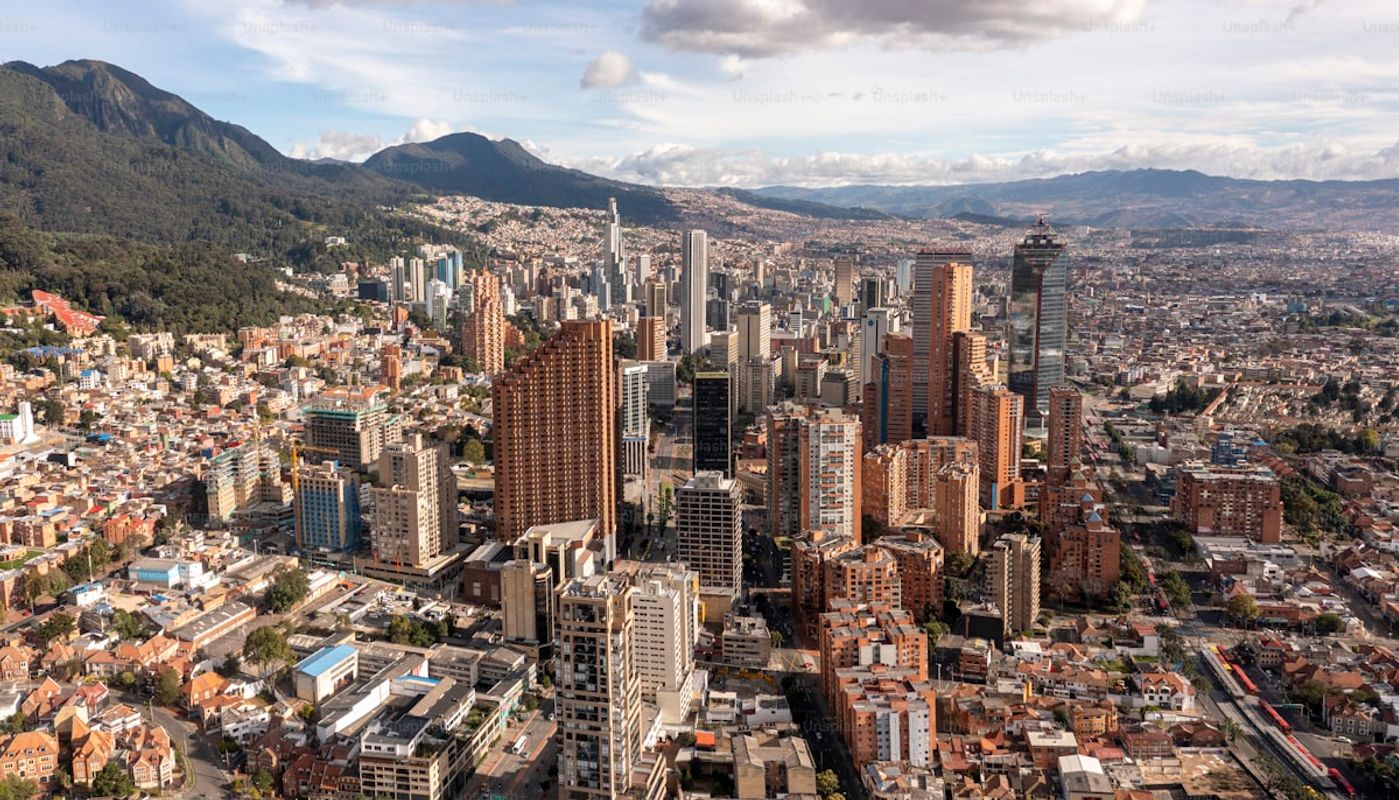
Colombia Real Estate FAQ for Foreign Buyers: 25 Questions Answered
Can foreigners own property in Colombia?
Yes, foreigners can own property in Colombia with the same rights as Colombian citizens, including land, apartments, and houses. The Colombian Constitution grants foreigners the same civil property rights as nationals, so there is no need for a local partner or nominee. You can hold title in your own name whether or not you live in Colombia.
Can foreigners buy land in Colombia, not just apartments?
Yes, foreigners can buy titled private land in Colombia, including rural and urban plots, on the same footing as locals. The main limits are practical rather than nationality-based, such as restrictions near international borders and on certain coastal or protected zones. Always confirm a rural plot's land-use classification and that it is private titled land rather than untitled or state land.
What is the escritura pública in Colombia?
The escritura pública is the public deed of sale, signed by buyer and seller before a notary, that formalizes the transfer of property. The notary verifies the parties and documents, calculates the taxes and fees due, and produces the official deed. Signing the escritura is the central legal act of the purchase, but ownership is only complete once the deed is registered.
How does the buying process work in Colombia?
The process runs in three main stages: a promesa de compraventa, the escritura pública, and registration. The promesa de compraventa is a binding promise-to-buy agreement, usually with a deposit of 10 to 30 percent. The parties then sign the escritura pública before a notary, and finally the deed is filed at the Oficina de Registro de Instrumentos Públicos, which updates the property's folio and confirms you as the legal owner.
What is the Certificado de Tradición y Libertad and why does it matter?
The Certificado de Tradición y Libertad is the official ownership-and-encumbrance history of a property, and ordering it yourself is the single most important due-diligence step. It reveals mortgages, liens, embargoes (seizures), inheritance disputes, and the true ownership chain. The most common and costly mistake foreign buyers make is relying on an agent's assurance instead of reading this certificate before paying anything.
Do I need to register my purchase money as foreign investment?
Yes, you should register the funds you bring in as foreign direct investment with the Banco de la República, typically using Formulario 4. This registration is required to comply with currency and anti-money-laundering rules, and it is what later allows you to legally repatriate the sale proceeds and any gains. It also supports a property-based visa application if you pursue one.
What are the closing costs when buying in Colombia?
Closing costs are relatively modest, usually adding up to around 2 to 3 percent of the price. The main items are a transfer or beneficence tax of roughly 1 percent, notary fees of about 0.5 to 1 percent, and a registration fee of about 0.5 percent. Notary and registration costs are commonly split between buyer and seller by custom, though this is negotiable.
What is the annual property tax in Colombia?
The annual property tax, impuesto predial, is a municipal tax charged on the cadastral value of the property, typically between 0.1 and 1.6 percent. The cadastral value is usually well below market value, so the effective cost is modest. Rates and bands are set by each municipality, so they vary between cities like Bogotá, Medellín, and Cartagena.
How is rental income taxed for foreign owners in Colombia?
Non-resident foreigners pay a flat 35 percent tax on Colombian-source rental income. Foreigners who become Colombian tax residents are instead taxed on a progressive scale that runs up to about 39 percent. Because the resident and non-resident treatment differs so much, your tax-residency status is worth planning before you buy a rental property.
Is there capital gains tax when I sell property in Colombia?
Yes, gains on property held for more than two years are taxed at a flat occasional-gains rate of 10 percent. Property sold within two years of purchase is taxed as ordinary income, which can be considerably higher. Holding for at least two years before selling is therefore the difference between the 10 percent rate and ordinary income rates.
Can buying property get me residency in Colombia?
Yes, a qualifying property investment can make you eligible for the Migrant (M) visa tied to real estate. The threshold is indexed to 350 times the monthly minimum wage and resets every January, which placed it around 612 million Colombian pesos for 2026. The investment must be properly registered as foreign investment with the Banco de la República to count.
Do I need to live in Colombia to own property there?
No, you do not need to live in Colombia or hold any visa to buy and own property. Many foreign owners purchase remotely or during a short visit and manage the property through a local administrator. You will, however, need a Colombian tax identification number (NIT or cédula de extranjería where applicable) to handle taxes and utilities.
Can foreigners get a mortgage in Colombia?
Local mortgage financing for non-resident foreigners is limited and difficult to obtain, so most foreign buyers purchase in cash. Some Colombian banks lend to foreigners who hold residency and have local income, but terms are conservative. Many international buyers instead finance from their home country or buy outright.
Is there a wealth tax that affects foreign property owners?
Yes, Colombia has a wealth tax that can apply to non-residents on their Colombian-located assets, including real estate, above set thresholds. The bands run at 0.5 percent, 1.0 percent, and 1.5 percent on higher tiers of net wealth measured in UVT units, under the rules in force through 2026. Residents are taxed on worldwide assets, while non-residents are taxed only on assets located in Colombia.
Can I buy property in Colombia through a company?
Yes, foreigners can buy through a Colombian company or other legal entity, which some investors use for portfolios or commercial property. This can change how income and gains are taxed and adds accounting and reporting obligations. For a single home, most buyers hold the property personally, but for multiple or commercial properties a company structure is worth discussing with a local advisor.
What documents do I need to buy property in Colombia?
The core documents are your valid passport, the proof of registered foreign investment funds, and the property's title documents including the Certificado de Tradición y Libertad. You will also need a paz y salvo confirming property taxes and administration fees are paid up to date. Buying remotely is possible by granting a notarized and apostilled power of attorney to a trusted representative.
Can I buy a property remotely with a power of attorney?
Yes, you can complete a purchase without being in Colombia by granting a power of attorney to a lawyer or trusted person. The power of attorney must be notarized and apostilled (or legalized) in your home country and translated into Spanish. Your representative can then sign the promesa and the escritura on your behalf.
Are there restrictions on buying near the coast or borders?
Yes, like many countries Colombia restricts ownership of land in defined border strips and certain coastal and protected areas. Most city and resort property is unaffected, but rural land near frontiers or inside environmental or indigenous reserves can carry limits. Confirm the land-use and zoning classification before committing to rural or coastal plots.
How long does a property purchase take in Colombia?
A clean purchase commonly takes about 4 to 8 weeks from signed promesa to registered deed, depending on due diligence and document gathering. Verifying the title history, arranging the foreign-investment registration, and scheduling the notary are the steps most likely to add time. Complications in the title or unpaid taxes can extend the timeline.
Do I need a Colombian bank account?
A Colombian bank account is helpful but not always required, since the key step is registering the incoming funds as foreign investment through an authorized channel. An account makes paying property tax, utilities, and administration fees easier, especially if you rent the property out. Opening one as a non-resident can take time, so plan ahead.
What ongoing costs should I expect as an owner?
Expect annual impuesto predial, monthly building administration fees (administración) for apartments, utilities, and income tax if you rent the property. Owners who live abroad usually also pay an accountant to file Colombian tax returns and a manager for the property. Budgeting roughly 1 to 2 percent of value per year for taxes and upkeep is a reasonable starting point.
Is title insurance available in Colombia?
Title insurance exists but is far less common in Colombia than in countries like the United States, so buyers rely mainly on thorough notary and registry due diligence. The Certificado de Tradición y Libertad and a careful lawyer are the standard protections. If you want extra security on a high-value purchase, ask whether a title policy is available for that property.
Is buying property in Colombia safe, and how do I avoid problems?
Buying in Colombia is generally safe when you order the Certificado de Tradición y Libertad yourself, use an independent lawyer, and register your funds properly. The biggest risks are buying a property with an undischarged mortgage, an embargo, or an unresolved inheritance dispute, not outright scams. Transparency platforms such as Bektu help foreign buyers research projects and developers before they commit, which complements registry-level due diligence.
Sources
- Buying property in Colombia as a foreigner: steps, taxes and fees 2026 (Taxes for Expats)
- How foreigners can buy property in Colombia 2026 legal guide (Convexo Real Estate Law)
- Tax implications of owning property in Colombia as a foreign investor (Colombia Tax)
- Guide to property taxes in Colombia (Global Property Guide)
Sign up to read the rest
Create a free account to keep reading. It only takes a minute.
Considering a developer you read about here?
You cannot walk the land from another country. But you can verify the developer. Bektu contacts them on your behalf and sends you a scored report. They never see who asked.
Search and verify any developerMore from Bektu
Stay a step ahead of the wire transfer
Get the occasional note from Bektu on verifying developers before you commit. No noise, just what matters.
We will never share your email. You can opt out at any time.