Can Foreigners Own Property in Mexico? The 2026 Fideicomiso Legal Guide
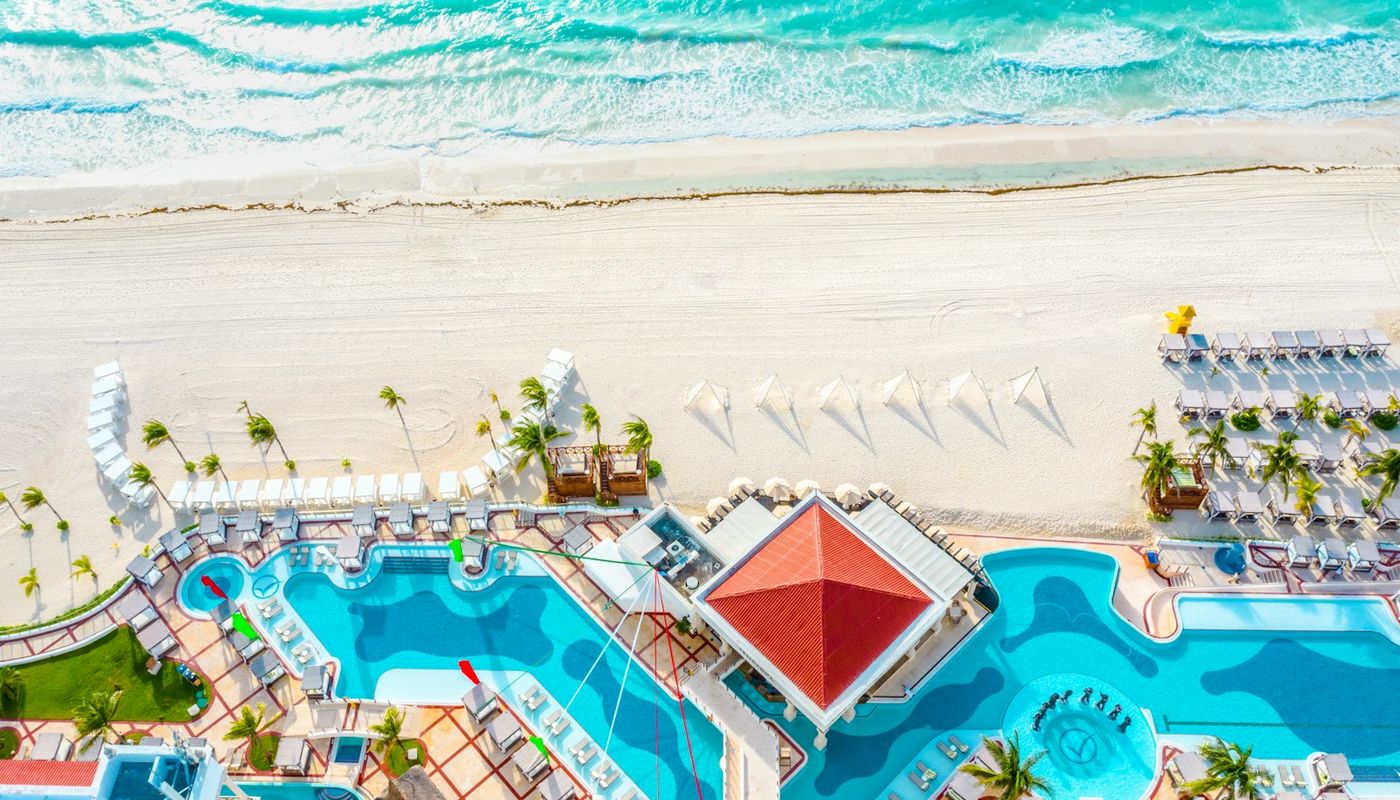
Yes, foreigners can own property in Mexico, including the beachfront condo most buyers are actually after. The detail that trips people up is how. Anywhere within 50 kilometers of the coastline or 100 kilometers of an international border, a foreigner cannot hold direct title in their own name. To own there, you use a bank trust called a fideicomiso, and once you understand it, it is a secure and well-established structure. Here is exactly how it works, where it applies, and what it costs in 2026.
The constitutional rule and the restricted zone
The restriction comes from Article 27 of the Mexican Constitution, which historically barred foreigners from directly owning land within what is called the restricted zone (zona restringida): a band 50 kilometers deep from any coast and 100 kilometers deep from any land border. This covers almost every market foreign buyers want, including the Riviera Maya, Los Cabos, Puerto Vallarta, and most of Baja California.
Outside the restricted zone, for example in inland cities like Mexico City, Guadalajara, San Miguel de Allende, or Mérida, a foreigner can buy property and hold direct title (escritura) in their own name, just like a Mexican citizen. The fideicomiso is only required inside the restricted zone.
How the fideicomiso works
A fideicomiso is a trust. A Mexican bank, acting as a regulated and authorized trustee (fiduciario), holds legal title to the property. You, the foreign buyer, are the beneficiary (fideicomisario). As beneficiary you hold every meaningful right of ownership: you can use the property, renovate it, rent it out, sell it, bequeath it to your heirs, and keep all proceeds from a future sale. The bank cannot use the property, mortgage it, or do anything with it without your written instruction. It is a custodian of title, nothing more.
This is not a lease and it is not a loophole. It is the legal mechanism the Mexican government created specifically to let foreigners own restricted-zone property while keeping bare title with a Mexican institution, and it has been the standard route for decades. The trust runs for 50 years and is renewable. There is no cap on renewals, and you can renew or extend it indefinitely, so the structure delivers effectively permanent ownership. You can also name substitute beneficiaries, which lets the property pass to your heirs without going through Mexican probate.
The legal foundation
The fideicomiso framework was built by the Foreign Investment Law. Mexico first opened the door in 1973, allowing trusts to hold restricted-zone property for foreigners, and the 1993 Foreign Investment Law (Ley de Inversión Extranjera) liberalized and streamlined the system into its modern form, including longer trust terms. To establish the trust you need a permit from the Ministry of Foreign Affairs, the Secretaría de Relaciones Exteriores (SRE). The bank, working with your notary, obtains this permit as part of setting up the fideicomiso.
The Mexican corporation alternative
There is a second route inside the restricted zone: holding the property through a Mexican corporation (sociedad). A Mexican company can own restricted-zone real estate directly, and a company may be wholly foreign-owned. This route is generally appropriate only for property held for genuinely non-residential, commercial purposes, such as a rental business at scale, and it brings corporate accounting, tax filing, and compliance obligations. For a personal home or a single vacation condo, the fideicomiso is almost always the correct and cheaper structure. Be wary of anyone pushing a corporation for what is really a personal residence, because using a company purely to dodge the trust can create tax exposure and is not its intended use.
What it costs in 2026
The fideicomiso carries setup and ongoing costs that are modest relative to the purchase. Bank setup fees commonly run in the range of roughly 500 to 1,500 US dollars, with annual trustee fees of roughly 500 to 700 US dollars to maintain the trust. Separately, the federal SRE permit fee for the restricted-zone trust is set in pesos and runs in the low tens of thousands of pesos. On top of the trust, you will pay the standard acquisition tax, notary fees, and registration costs that apply to any Mexican purchase. Budget for all of these as part of closing, not as surprises.
The role of the notary
Every real estate transfer in Mexico is formalized by a notario público, a state-appointed lawyer with far broader authority than a notary in the United States or Canada. The notario drafts and authorizes the deed, calculates and withholds taxes, and registers the transaction. The critical point for a foreign buyer is independence: use a notary you select and, ideally, a separate real estate attorney working for you, not only the one the seller or developer recommends. The notary's review is also your first line of defense in confirming that the underlying title is clean and registrable before the fideicomiso is created on top of it.
The thing the fideicomiso does not fix
A fideicomiso is only as good as the title underneath it. The trust is created on top of an existing title, so if that title is defective, for instance because the land was never properly converted from communal ejido tenure to private property, your beautifully structured trust holds something worthless. The fideicomiso protects you from the constitutional ownership restriction. It does not protect you from buying bad land. That is why independent title verification at the Public Property Registry, and independent diligence on the developer where you are buying pre-construction, matter as much as the trust itself. Confirming a developer's actual delivery and titling record, the kind of check Bektu (https://bektu.com) is built to make transparent, sits alongside the trust as part of doing this properly.
The bottom line
A foreigner can own restricted-zone property in Mexico securely through a fideicomiso: a renewable 50-year bank trust in which you hold all the rights of ownership and the bank holds bare title. It is legitimate, permanent in practice, and inheritable. Just remember that the trust answers the constitutional question, not the question of whether the title and the land are sound. Verify those independently before you sign.
Sources
- Key Considerations on Acquisition of Real Estate by Foreigners in Mexico's Restricted Zone (CCN)
- Acquisition of Properties in Mexico (Consulado de México / SRE)
- Investment in Mexico's Restricted Zone: Fideicomisos vs. Sociedades (MexLaw Clinic)
- Understanding the Fideicomiso: Your Guide to Foreign Property Ownership in Mexico (SoBankable)
- Buying property in Mexico as an American: 2026 guide (Taxes for Expats)
Sign up to read the rest
Create a free account to keep reading. It only takes a minute.
Considering a developer you read about here?
You cannot walk the land from another country. But you can verify the developer. Bektu contacts them on your behalf and sends you a scored report. They never see who asked.
Search and verify any developerMore from Bektu
Stay a step ahead of the wire transfer
Get the occasional note from Bektu on verifying developers before you commit. No noise, just what matters.
We will never share your email. You can opt out at any time.