
Buenos Aires vs Mendoza vs Bariloche: Where to Buy Property in Argentina
Argentina offers three distinctly different property markets for foreign buyers, each with its own pricing dynamics, lifestyle appeal, and investment profile. Buenos Aires is the capital and financial center. Mendoza is wine country at the foot of the Andes. Bariloche is Patagonia's lake district, a mountain resort town that draws comparisons to the Swiss Alps.
Choosing between them is not just a financial decision. It is a question of what you want from the property, how long you plan to hold it, and whether you prioritize rental income, capital appreciation, or personal use.
Price Comparison
The price difference between these three markets is significant and reflects fundamentally different supply and demand dynamics.
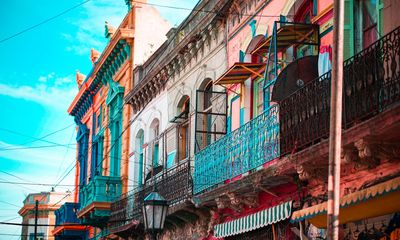
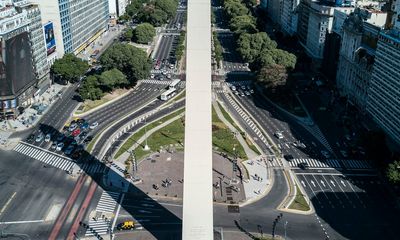
Buenos Aires is the most expensive market. Average prices across the city run approximately $2,300 to $2,500 per square meter. In premium neighborhoods like Palermo, Recoleta, and Belgrano, prices range from $3,000 to $4,500 per square meter. Puerto Madero, the waterfront district, commands the highest prices in the country at roughly $6,100 per square meter. A standard 60-square-meter apartment in a good neighborhood typically costs between $140,000 and $200,000.
Mendoza is roughly half the cost. Typical apartments and houses sell for $1,000 to $1,200 per square meter, making it the most affordable of the three cities for comparable quality. A well-located two-bedroom apartment in Mendoza's city center can be purchased for $60,000 to $90,000. Properties in premium areas like Chacras de Coria or Lujan de Cuyo, where many wineries are located, command higher prices but still significantly undercut Buenos Aires.
Bariloche falls between the two but varies enormously by location. The median price is approximately $2,700 per square meter, with averages running higher at $2,900 due to premium lakefront and ski-adjacent properties that pull the number up. A standard apartment in central Bariloche costs $120,000 to $180,000, while lakefront cabins and houses with mountain views can exceed $300,000 easily.
Rental Yields and Income Potential
Rental income varies significantly across these markets, driven by tourism patterns and local demand.
Buenos Aires offers the most consistent year-round rental demand. Long-term rental yields run approximately 5% to 7% gross, supported by steady demand from students, professionals, and the growing population of digital nomads. Short-term rental yields can be higher (8% to 12% in prime tourist areas) but require active management and are subject to evolving local regulations.
Mendoza generates attractive rental yields of 5% to 7% gross, driven by wine tourism that peaks from March through May (harvest season) and a secondary summer season from December through February. The city's growing reputation as a culinary and outdoor adventure destination has extended the rental season beyond the traditional wine-focused months. Short-term rental properties near wineries or in Chacras de Coria perform particularly well.
Bariloche has the most seasonal rental market. The ski season (June through September) and the summer lake season (December through February) generate strong short-term rental income, but the shoulder months (April, May, October, November) see significantly lower occupancy. Gross yields on well-located tourist properties can reach 8% to 10% during peak months, but annualized yields tend to be lower (4% to 6%) due to seasonal gaps. Tight supply has been pushing these numbers upward.
Capital Appreciation
The three markets are on different trajectories, and the gap is likely to widen over the next two to three years.
Buenos Aires is seeing the strongest price growth. Apartment prices are increasing by approximately 8% to 9% year over year in USD terms, with premium neighborhoods projected to appreciate 8% to 12% annually through 2027. This recovery is driven by the return of mortgage lending, foreign capital inflows, and a general recalibration after years of underpricing relative to comparable Latin American capitals.
Mendoza is projected to see more modest but steady growth. Secondary Argentine cities tend to lag the capital by 12 to 18 months in market cycles, meaning Mendoza's recovery is still in earlier stages. Infrastructure projects, particularly the Metrotranvia extension toward Lujan de Cuyo and the airport, could accelerate appreciation in specific corridors.
Bariloche forecasts suggest 3% to 7% price growth in USD terms for 2026, with premium segments (lakefront, ski-adjacent) at the higher end. Supply constraints are the primary driver: there is limited buildable land in desirable locations, and new construction faces both regulatory and logistical challenges. The planned airport expansion could meaningfully boost demand if it improves international access.
Ask Bektu
Still have a question about buying in Argentina?
Answers come from the records on file, with links to every source.
Considering a developer you read about here?
You cannot walk the land from another country. But you can verify the developer. Bektu contacts them on your behalf and sends you a scored report. They never see who asked.
Search and verify any developerMore from Bektu

Stay a step ahead of the wire transfer
Get the occasional note from Bektu on verifying developers before you commit. No noise, just what matters.
We will never share your email. You can opt out at any time.