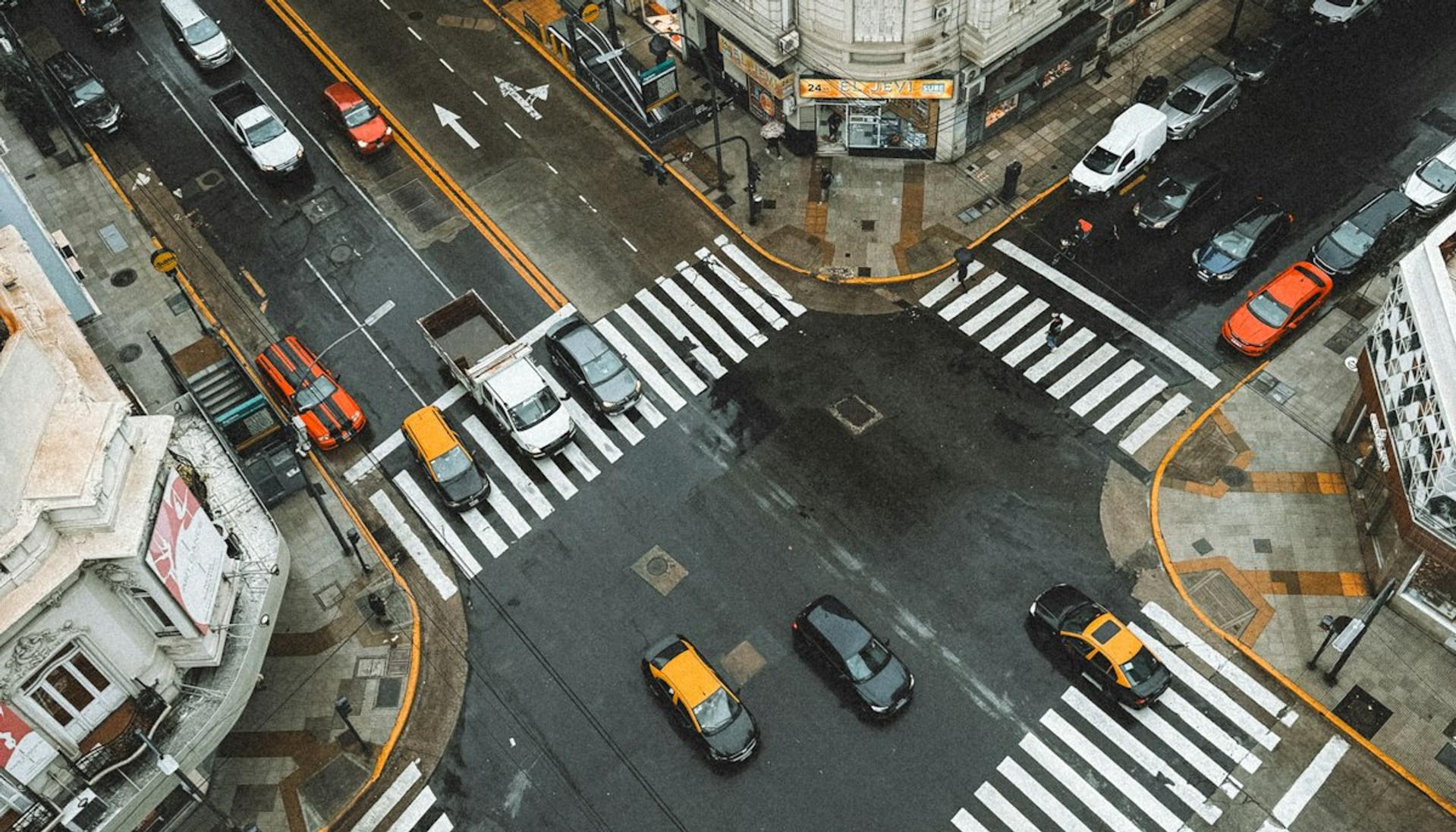
Argentina Real Estate Scams: Title Fraud, Dollar Tricks, and Fake Escribanos
Argentina's property market is heating up again, and wherever money flows, scams follow. Foreign buyers are particularly vulnerable because they are often unfamiliar with local processes, rely heavily on intermediaries, and may not speak Spanish well enough to catch red flags in real time.
This is not a reason to avoid buying in Argentina. It is a reason to understand exactly what can go wrong and how to protect yourself. The scams described here are well-documented, and every one of them is preventable with proper due diligence.
The Deposit Trap
This is the most common scam targeting foreign buyers in Buenos Aires, and it works because it exploits the legitimate reserva (reservation) process.
Here is how it typically unfolds. You find a property through an online listing or a WhatsApp contact. The agent tells you the apartment is in high demand and that you need to pay a deposit immediately to "reserve" it. You wire money or hand over cash, often 1% to 5% of the asking price. Then the listing disappears, the agent stops responding, or you are told the deposit is non-refundable because you "changed your mind."
The problem is not the reserva itself, which is a standard part of Argentine property transactions. The problem is who you are paying and whether the transaction is properly documented.
A legitimate reserva is paid through an escribano's trust account or directly to the seller with a signed receipt that specifies the property, the amount, the conditions for refund, and a deadline for moving to the boleto de compraventa. It is never paid to an agent's personal account, never wired to an unverified third party, and never done without a written agreement.
How to protect yourself: Never pay any money before your own escribano has verified the property's existence, the seller's identity, and the terms of the reservation. If an agent pressures you to pay immediately, walk away.
Title Fraud and Forged Documents
Title fraud in Argentina takes several forms, but the most common involves a seller who does not actually own the property. This can happen through forged powers of attorney, fabricated inheritance documents, or impersonation of the actual owner.
A 2024 judicial investigation revealed an alleged criminal network in Buenos Aires dedicated to defrauding buyers through fictitious real estate projects. More than 200 people were affected, with losses exceeding $20 million. The scheme used fake documentation, shell companies, and aggressive sales tactics to convince buyers they were purchasing legitimate properties.
In another common variation, the seller presents a valid-looking poder (power of attorney) claiming the owner is abroad and has authorized the sale. The documents look authentic, the property is real, and the price is attractive. But the power of attorney is forged, and the actual owner knows nothing about the sale.
How to protect yourself: Your escribano must pull a fresh Informe de Dominio (ownership report) directly from the Registro de la Propiedad Inmueble. This report shows the current registered owner, any liens or encumbrances, and the chain of title. It should be no more than a few days old at the time of signing.
If the sale involves a power of attorney, your escribano must independently verify it with the issuing notary. If the seller claims to be an heir, your lawyer must review the succession documents and confirm the probate court's resolution. These steps add a few days to the process but eliminate the most dangerous category of fraud.
Dollar Scams
Argentine real estate transactions are overwhelmingly conducted in US dollars, and this creates opportunities for fraud that do not exist in peso-denominated markets.
The counterfeit bill swap. In cash transactions (still common in Argentina despite the loosening of currency controls), sellers or intermediaries may attempt to slip counterfeit bills into a stack of dollars, or switch a verified stack for one containing fakes during the signing confusion. This typically happens at the escribano's office during the escritura signing, when large amounts of cash are being counted and verified.
The exchange rate manipulation. Before the convergence of the official and blue dollar rates in 2025, some agents would quote prices at one exchange rate and then insist on a different rate at closing, pocketing the difference. While the gap between rates has narrowed dramatically (from 50%+ to roughly 2-3% as of mid-2026), this scam persists in a smaller form, particularly with agents who insist on handling the currency conversion themselves.
The fake bank transfer. The seller presents a fraudulent bank transfer confirmation showing the funds have been sent, pressuring the other party to sign documents or hand over keys before the funds actually clear.
How to protect yourself: If paying in cash, insist on using a professional cash counting and verification service at a bank or at the escribano's office, and never allow the cash to leave your sight between verification and handover. For wire transfers, confirm receipt with your bank before signing anything. Never let an intermediary handle currency conversion; use your own bank or a regulated exchange service.
Ask Bektu
Still have a question about buying in Argentina?
Answers come from the records on file, with links to every source.
Considering a developer you read about here?
You cannot walk the land from another country. But you can verify the developer. Bektu contacts them on your behalf and sends you a scored report. They never see who asked.
Search and verify any developerMore from Bektu

Stay a step ahead of the wire transfer
Get the occasional note from Bektu on verifying developers before you commit. No noise, just what matters.
We will never share your email. You can opt out at any time.