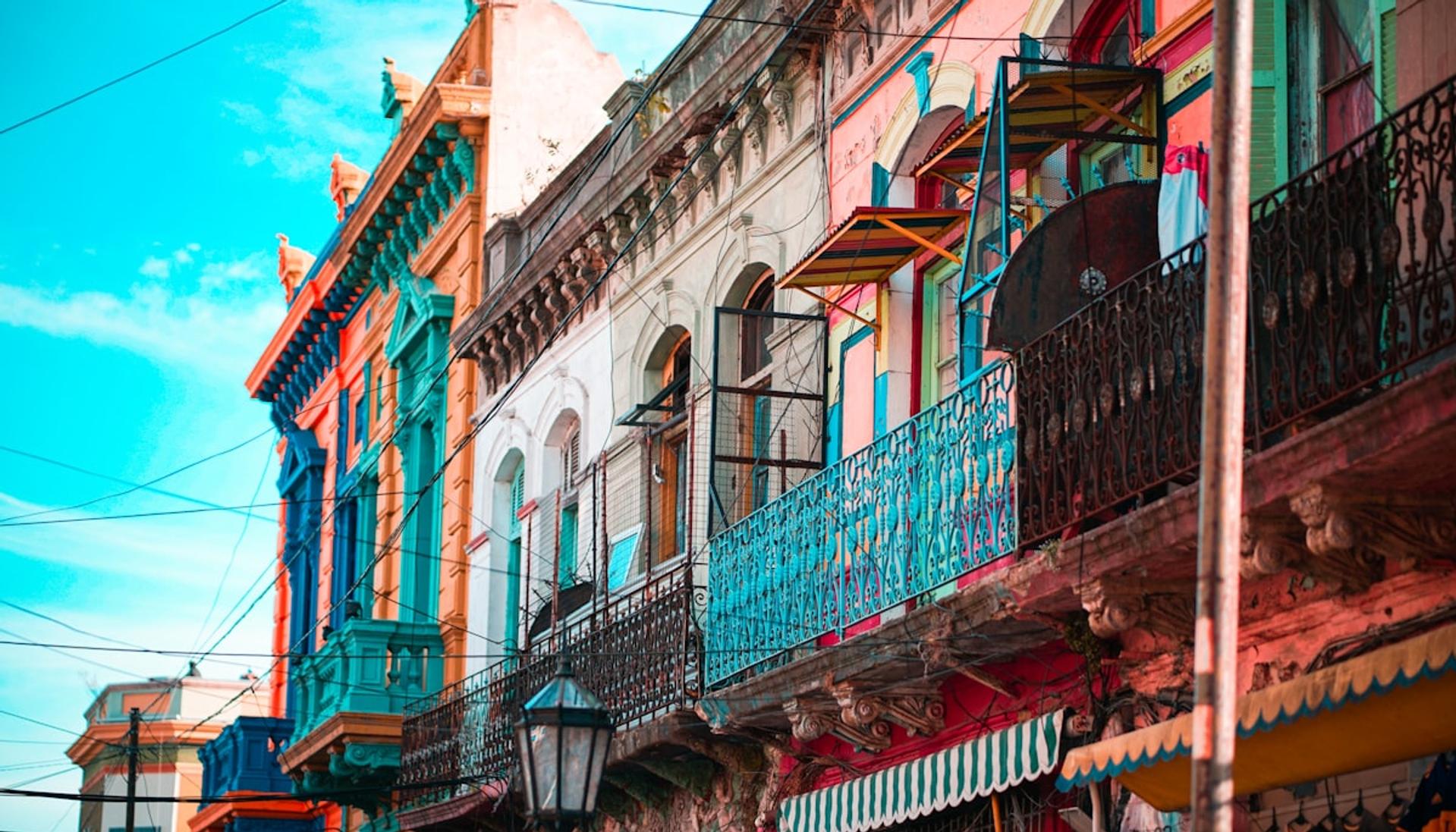
Peter Thiel Moved to Buenos Aires: What It Means for Argentina's Real Estate Market
When Peter Thiel, the billionaire co-founder of PayPal and Palantir, purchased a $12 million mansion in Buenos Aires and enrolled his children in a local school, it was not just another real estate transaction. It was a signal. The kind of signal that moves markets, attracts capital, and reshapes how the world thinks about a city that, until recently, most foreign investors had written off.
Thiel's arrival in Argentina's capital, first reported by the New York Times in late May 2026, landed in the middle of a property market already in the early stages of recovery. And while one billionaire does not make a trend, the forces behind his move tell a story that extends well beyond a single mansion in Palermo Chico.
Why Thiel Left
Thiel departed California before January 1, 2026, ahead of a proposed ballot initiative that would impose a 5% annual tax on California residents with a net worth exceeding $1 billion. According to reporting from the New York Times and Newsweek, his motivations extend beyond tax avoidance. Thiel has expressed concerns about the long-term trajectory of the United States, the risks posed by artificial intelligence, and the possibility of nuclear conflict. He also purchased land in neighboring Uruguay, which observers have speculated could serve as a refuge in a worst-case geopolitical scenario.
But Argentina was not chosen at random. Thiel's relationship with President Javier Milei predates the move. The two first met in person in 2024, in a meeting arranged by Alec Oxenford, Argentina's ambassador to the United States and founder of OLX, a company that had received funding from Thiel's venture capital firm over a decade earlier. Since arriving in Buenos Aires in April 2026, Thiel has met with Milei at the Casa Rosada, as well as with Economy Minister Luis Caputo and Deregulation Minister Federico Sturzenegger.
Milei described one of their meetings as "wonderful," telling reporters that both men view "taxes as theft" and that Thiel is "an anarcho-capitalist, just as I am philosophically." The ideological alignment is genuine. Milei's aggressive deregulation agenda, his elimination of currency controls in April 2025, and his courtship of foreign capital have made Argentina, for the first time in decades, legible to a certain class of American investor.
The Broader Migration
Thiel is not alone. Buenos Aires has been steadily attracting a wave of remote workers, tech entrepreneurs, and crypto-adjacent founders over the past two years. Argentina's digital nomad visa, introduced in 2022, allows foreign remote workers to stay for up to a year with a modest income requirement of $1,500 per month. The city's coworking scene has expanded rapidly, and its cost of living, roughly $900 to $1,500 per month for a single person, makes it one of the most affordable major cities in the world for anyone earning in dollars or euros.
The crypto connection runs deeper than lifestyle arbitrage. Argentina has one of the highest rates of cryptocurrency adoption in Latin America, driven by years of currency instability that made Argentines early and enthusiastic users of stablecoins as a hedge against peso devaluation. That existing infrastructure, combined with Milei's crypto-friendly regulatory stance, has made Buenos Aires a natural landing spot for blockchain startups and decentralized finance operators looking for a base outside the increasingly regulated environments of the United States and Europe.
This is not the same dynamic as the Lisbon or Dubai waves of previous years. Those cities attracted nomads with tax incentives and weather. Buenos Aires attracts a more specific profile: people who see opportunity in disorder, who are comfortable with a country still working through serious economic challenges, and who believe the current government's reforms will stick long enough to generate returns.
What the Numbers Say
The Buenos Aires property market in 2026 is in a different place than it was even 18 months ago. After years of decline following the 2018 currency crisis and the pandemic, prices have begun to climb. According to data from TheLatinvestor and the Buenos Aires Real Estate Market 2026 Investor Guide, average apartment prices in the city have increased roughly 5.6% in USD terms over the past year, with premium neighborhoods outperforming that average significantly.
The numbers by neighborhood tell a layered story. Puerto Madero, the city's most expensive district, commands approximately $6,100 per square meter. Palermo, the neighborhood of choice for most foreign buyers and the location of Thiel's Palermo Chico estate, sits at around $3,400 per square meter. Recoleta, the traditional old-money neighborhood, ranges from $160,000 to $320,000 for apartments of 80 to 150 square meters. Forecasts from multiple analysts project 8% to 12% annual appreciation in these premium areas through 2027, driven by limited supply and growing demand from both domestic and foreign buyers.
Ask Bektu
Still have a question about buying in Argentina?
Answers come from the records on file, with links to every source.
Considering a developer you read about here?
You cannot walk the land from another country. But you can verify the developer. Bektu contacts them on your behalf and sends you a scored report. They never see who asked.
Search and verify any developerMore from Bektu
Stay a step ahead of the wire transfer
Get the occasional note from Bektu on verifying developers before you commit. No noise, just what matters.
We will never share your email. You can opt out at any time.