Baruch and Phareex and the Reality of Abuja Luxury Property Due Diligence
Baruch and Phareex and the Reality of Abuja Luxury Property Due Diligence
Baruch and Phareex Nigeria Limited is a CAC-registered Abuja developer (RC-1008285, incorporated 7 June 2012) headquartered at No. 5 Agatu Street, Area 11, Garki, Federal Capital Territory. Its public portfolio concentrates on Asokoro, Jahi, and Guzape: three of the most expensive districts in the FCT. For diaspora buyers and foreign nationals weighing Abuja luxury stock, Baruch and Phareex is one of a handful of developers whose name shows up consistently in the upper price tiers. Whether their inventory is the right buy for you depends on a different question than whether the company is real.
What Abuja Luxury Actually Means
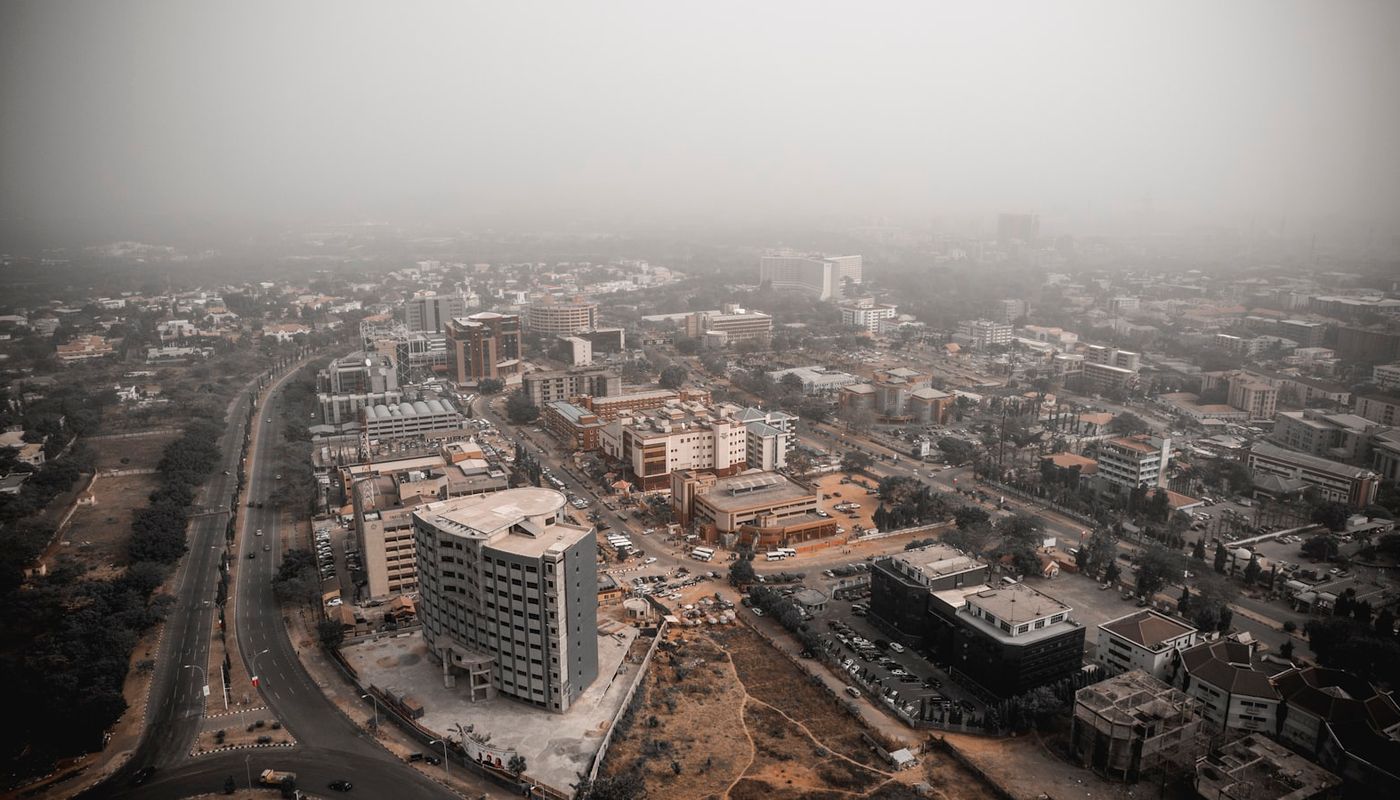
Asokoro is the diplomatic and political district. The Presidential Villa, the Vice President's residence, most embassies, and the residences of serving and former senior officials sit inside its perimeter. Land allocations in Asokoro come from the Federal Capital Development Authority, often via direct ministerial allocation, and the secondary market is shallow because owners rarely sell. Asking prices for finished detached houses run from USD 2 million to USD 8 million at the upper end.
Guzape Hills, on the southern slope above the Three Arms Zone, has become the speculative play of the last decade. The terrain forced a different development pattern (terraced compounds, infinity-pool perimeters, dramatic elevation views) and the buyer base shifted from civil servants to businesspeople and diaspora professionals.
Jahi is a generation younger and sits adjacent to Mabushi and Katampe Extension. The district has become the de facto preferred neighbourhood for high-income professionals who want Asokoro-grade finishes without the protocol overhead.
Baruch and Phareex's project map across these three districts puts them in legitimate luxury territory. The question for foreign buyers is whether the title on any given Baruch and Phareex unit is genuinely clear, what physical planning approvals are in place, and how the company's delivery cadence compares to the brochure.
The FCT Title Chain Is Different
Unlike the rest of Nigeria, the FCT is administered directly by the Federal Capital Development Authority under the Federal Capital Territory Act 1976 (Cap. F6, LFN 2004). Land allocation in the FCT goes through the Federal Capital Territory Administration (FCTA), specifically the Department of Lands Administration. A Certificate of Occupancy in the FCT is issued by the Minister of the FCT under delegated authority, not by a state governor.
For a foreign buyer, this matters because:
The first issue is that an FCT C of O can carry restrictive covenants tied to land use that are non-trivial to vary. Asokoro residential plots, for example, often carry a covenant requiring construction within twenty-four months of allocation and limiting commercial conversion.
The second is that many "Asokoro" or "Guzape" plots marketed to diaspora buyers are actually Right of Occupancy allocations that have not yet been ratified into a substantive C of O. The Letter of Allocation is the bottom rung of the FCT title ladder. It can be revoked under the Land Use Act before it gets converted into a C of O.
The third is that recertification rounds (the FCT periodically reissues C of Os under revised reference numbers) have created confusion in the secondary market. Always insist on the current generation of C of O, not a historical reference.
Verifying Baruch and Phareex Specifically
Three layered checks make sense before any commitment to a Baruch and Phareex purchase.
Pull the CAC corporate certified true copy for RC-1008285 confirming current directors, share structure, and any changes since incorporation. The Corporate Affairs Commission portal gives you this for a nominal fee.
Cross-reference the specific project address with the Abuja Geographic Information Systems (AGIS) database. AGIS maintains the cadastral record for all FCT plots. A plot that appears on AGIS with a clean ownership trail back to FCTA is a defensible buy. A plot that does not appear on AGIS, or appears under a different registered owner, is not.
Verify the development approval with the Department of Development Control under FCTA. Every new build in the FCT requires a Development Permit. The absence of a stamped approval is a leading indicator of demolition risk. The FCTA periodically demolishes structures in contravention of the FCT Master Plan, and "no permit" demolitions have hit completed luxury units more than once in the last decade.
The Diaspora Buyer's Practical Workflow
Most foreign buyers acquiring Abuja luxury property are Nigerian-born professionals returning capital from the UK, US, or Gulf, often through an Investor Authority Letter or directly via Domiciliary Account transfers. The Central Bank of Nigeria's CBN Form A regime applies to repatriation if the property is later sold and proceeds are remitted offshore.
A clean buyer workflow looks like this. First, instruct a Nigerian-qualified solicitor to conduct a title search and prepare a written Title Opinion on the specific parcel. The Title Opinion should explicitly address the C of O status, any encumbrances on the AGIS record, the Survey Plan, and any pending Development Permit applications. Second, structure the purchase as a Deed of Assignment registered at the FCT Land Registry within sixty days of execution. Unregistered deeds in the FCT are vulnerable under Section 22 of the Land Use Act. Third, route all payments through a Nigerian corporate or solicitor's account in a manner that creates a clean audit trail for any future repatriation under CBN rules.
Platforms like Bektu consolidate developer track records and project delivery history across Nigerian and West African markets, which is useful when you are comparing Baruch and Phareex against the half-dozen other Abuja luxury operators selling similar-looking inventory.
Bottom Line
Baruch and Phareex Nigeria Limited is a legitimate, CAC-registered Abuja luxury developer with a portfolio in three of the FCT's most expensive districts. For foreign buyers the company's existence is the start of due diligence, not the end. The substantive work is on the AGIS cadastral status of the specific plot, the C of O generation and any restrictive covenants, the Development Permit, and the registration of your Deed of Assignment at the FCT Land Registry. Done properly, an Abuja luxury purchase is defensible. Done casually, it is the classic "I have a receipt but no title" trap that has caught a generation of diaspora buyers.
Related: Nigerian property scams targeting foreign buyers, Lagos vs Abuja luxury property comparison.
Sources
- Federal Capital Territory Act 1976 via PLAC Nigeria
- Land Use Act 1978 via PLAC Nigeria
- Baruch and Phareex corporate profile
- Baruch and Phareex company filing on B2BHint
- Abuja Geographic Information Systems (AGIS)
- Federal Capital Territory Administration Department of Lands
Sign up to read the rest
Create a free account to keep reading. It only takes a minute.
Developers referenced
- Baruch and Phareex Nigeria Limited Abuja, Nigeria
Thinking about Baruch and Phareex Nigeria Limited?
You cannot walk the land from another country. But you can verify the developer. Bektu contacts them on your behalf and sends you a scored report. They never see who asked.
Verify Baruch and Phareex Nigeria Limited anonymouslyMore from Bektu

Stay a step ahead of the wire transfer
Get the occasional note from Bektu on verifying developers before you commit. No noise, just what matters.
We will never share your email. You can opt out at any time.