WINHOMES Estate and the Lagos-Calabar Coastal Highway: When Federal Infrastructure Eats a Title
WINHOMES Estate and the Lagos-Calabar Coastal Highway: When Federal Infrastructure Eats a Title
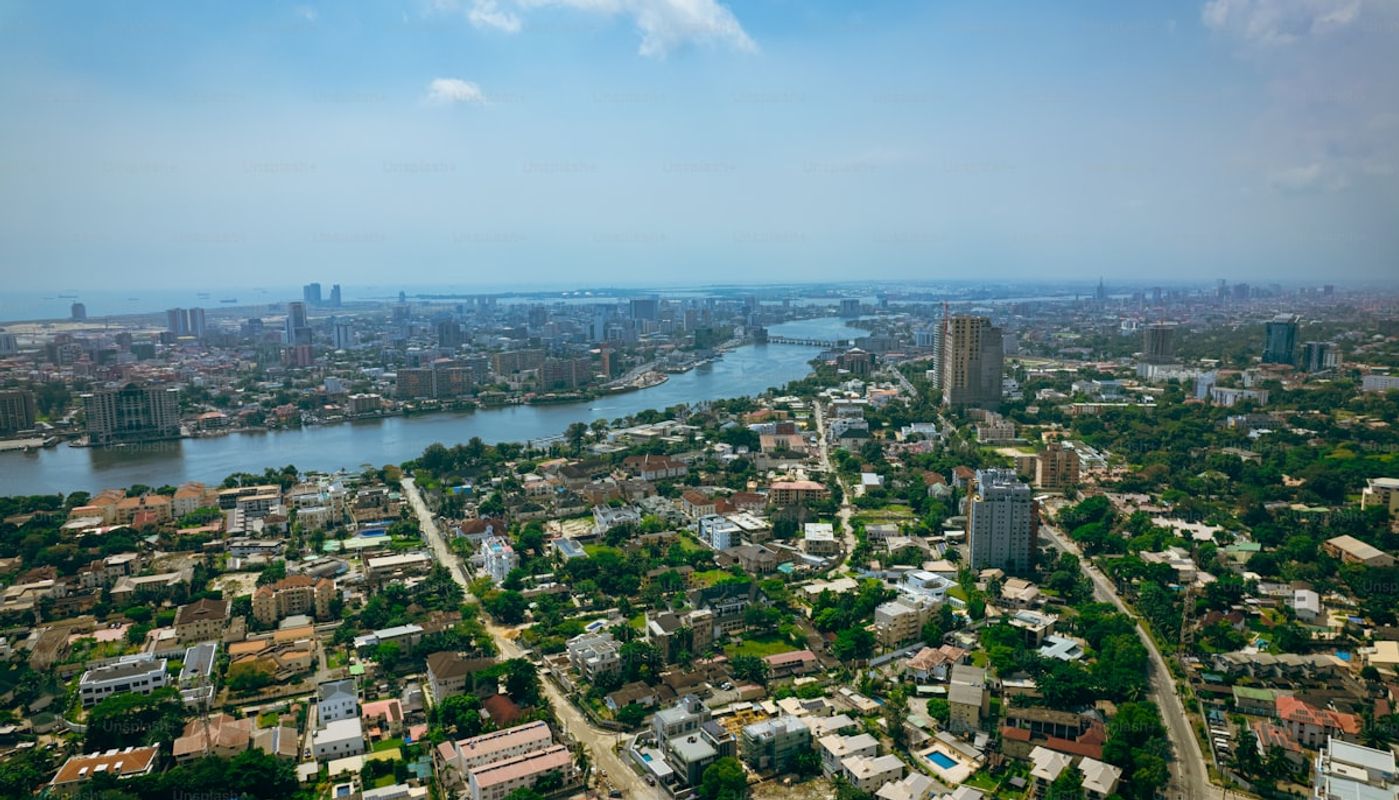
The Lagos-Calabar Coastal Highway is the federal government's flagship 700-kilometre road project linking Lagos to the eastern Niger Delta. It is being delivered by the Ministry of Works under the supervision of Minister David Umahi. Where the right of way crosses private titled land, the federal government has to acquire the land compulsorily and pay compensation. That process is now at the centre of a major test case at the Federal High Court in Ikoyi, Lagos, in Suit No. FHC/L/CS/10063/25. The petitioners are investors in WINHOMES Estate, a tourism-focused residential development on the Lagos coastline. The case is the clearest current illustration of how compulsory acquisition under the Land Use Act actually works in practice when federal infrastructure intersects diaspora-targeted real estate.
WINHOMES Estate was established in 2021. The developer marketed it as a 20-hectare residential and tourism scheme aimed at diaspora investors, with approximately 2,500 serviced plots at around ₦150 million each. The total estimated value of the scheme is ₦375 billion, roughly $250 million at the rates the developer used at launch. The estate holds three land titles. The realignment of the coastal highway in 2024 cut through the parcel and affected an estimated 400 plots, representing ₦60 billion in face value and cumulative damages projected by the petitioners at ₦85 billion. Investors filed and continue to wait. As of May 2026, more than 24 months after the demolitions began, the affected investors say they have not received compensation. Civil society groups including HURIWA (the Human Rights Writers Association of Nigeria) have petitioned President Bola Tinubu to intervene, and the Coalition for Civil Society of Nigeria (CYMS) met with Minister Umahi at the Ministry of Works in Abuja. The Ministry has opened a dialogue with the foreign investors specifically affected.
The case is procedurally important because it is the first large diaspora-facing test of the federal compulsory acquisition framework against a private residential estate. The legal architecture is laid out in three places.
The Land Use Act 1978, Section 28, gives the Governor of a state (or the President in the case of the Federal Capital Territory) the power to revoke a Right of Occupancy for overriding public interest. Federal infrastructure qualifies. Section 29 of the same Act then requires compensation. Compensation under Section 29 is calculated on the unexhausted improvements on the land at the date of revocation. That phrase is critical. It compensates the buildings, structures and developments on the plot, not the speculative value of the land itself. A plot with a completed villa is compensated at the villa's depreciated replacement cost. A plot with only a survey peg is compensated at the cost of the survey.
The Public Lands Acquisition (Miscellaneous Provisions) Act and the Federal Highways Act add federal-level powers. Where the project is a federal highway, the Minister of Works has direct authority to acquire the right of way. The notice procedure is shorter than under the state-level Land Use Act process. Affected owners are entitled to compensation on the same "unexhausted improvements" basis.
The constitutional layer is Section 44 of the 1999 Constitution. No moveable property or any interest in immovable property can be compulsorily acquired in Nigeria except under a law that provides for prompt payment of compensation and a right of access to a court of competent jurisdiction. The "prompt payment" language is what the WINHOMES petitioners are leaning on. Twenty-four months without payment, by any reasonable reading, is not prompt.
For diaspora buyers, the practical lessons are concrete and apply far beyond WINHOMES.
Before purchasing a plot anywhere along a corridor where federal infrastructure is planned or under construction, pull the published right-of-way alignment from the relevant federal ministry. The Ministry of Works publishes the coastal highway alignment, the Sokoto-Badagry highway alignment and the various proposed federal road corridors. Cross-reference the alignment against the estate's master plan. If your plot is within 200 metres of the alignment, treat it as exposed to future acquisition. If it is within the right of way itself, treat it as already acquired in substance.
Read the developer's brochure for compensation language. A well-drafted off-plan sale agreement should specify what happens if part of the parcel is acquired by government. The agreement should say whether the developer will refund the buyer, substitute another plot, or pay through compensation received from government. Many off-plan agreements in Lagos are silent on this. Silence favours the developer, not the buyer.
Understand what your title actually compensates. The Section 29 calculation is on unexhausted improvements. A speculative plot with no structure on it will be compensated at a low figure. If you bought an off-plan plot at ₦150 million expecting capital appreciation, and the plot is later acquired before any structure goes up, your compensation will be based on the bare-plot value at the date of revocation, not on the developer's marketing price. That is a structural mismatch most buyers do not understand at the point of purchase.
Diversify your title holdings across corridors. The most exposed diaspora portfolios are the ones with five or six plots all in the same emerging axis. A federal highway, a new airport access road, or a state-driven coastal road can rewrite the value of every plot in that axis in a single ministerial announcement.
Keep documentation. The plots most likely to receive timely compensation in the WINHOMES process will be the ones with the cleanest title chain, the clearest survey, the documented improvements, and the responsive contact information. Plots with broken paperwork tend to wait the longest.
The WINHOMES case is not the first compulsory acquisition dispute in Nigeria and it will not be the last. The wider value of the case is that it is being litigated in the open, with a docket number and identifiable plaintiffs, and that the Ministry of Works has now opened a formal channel of dialogue. The outcome will set the tone for compensation expectations on every subsequent federal infrastructure project. Diaspora investors with exposure along the Lagos-Calabar corridor, the Sokoto-Badagry corridor, and the various Abuja ring road extensions should be watching the docket.
Bektu (https://bektu.com) is a transparency and research platform that tracks Nigerian developer delivery history and federal infrastructure exposure across diaspora-targeted estates. Not a marketplace, not a brokerage. The next hearing in FHC/L/CS/10063/25 will set the timeline for the WINHOMES compensation claim.
Sign up to read the rest
Create a free account to keep reading. It only takes a minute.
Considering a developer you read about here?
You cannot walk the land from another country. But you can verify the developer. Bektu contacts them on your behalf and sends you a scored report. They never see who asked.
Search and verify any developerMore from Bektu
Stay a step ahead of the wire transfer
Get the occasional note from Bektu on verifying developers before you commit. No noise, just what matters.
We will never share your email. You can opt out at any time.