EFCC Arraigns Blessing CEO Over ₦36 Million Lekki Rental Fraud: Why Lease Scams Are the Diaspora's Blind Spot
EFCC Arraigns Blessing CEO Over ₦36 Million Lekki Rental Fraud: Why Lease Scams Are the Diaspora's Blind Spot
On 15 May 2026, the Lagos Zonal Directorate 1 of the EFCC (Economic and Financial Crimes Commission, Nigeria's federal anti-fraud agency) arraigned social media personality Okoro Blessing Nkiruka, better known online as Blessing CEO, before Justice D.I. Dipeolu of the Federal High Court in Ikoyi, Lagos. The charge is a two-count indictment for obtaining money by false pretence and stealing. The sum is ₦36 million, roughly $24,000 at current rates. The case file is a textbook example of the kind of rental-side fraud that diaspora Nigerians and foreign tenants in Lagos are most exposed to and least prepared for.
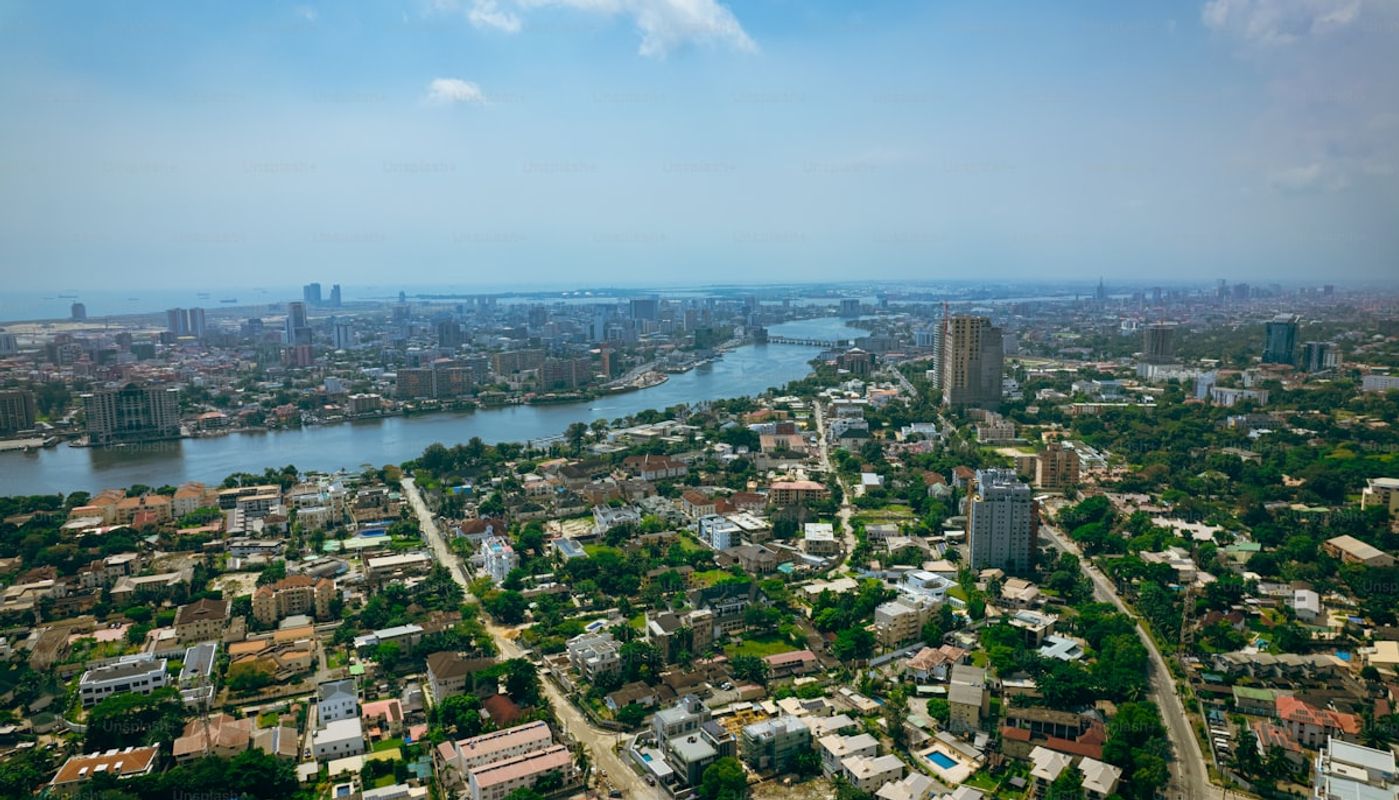
Most of the property fraud coverage aimed at diaspora readers focuses on purchase fraud: fake titles, off-plan estates that never get built, agents who collect deposits and disappear. The Blessing CEO case is different. According to the prosecution, between 14 and 17 July 2024, Blessing collected ₦36 million from a Mrs Ifeyinwa Nonye Okoye on the pretext of leasing her a six-bedroom detached duplex at No. 1B Tunbosun Osobu Street, off Kuboye Road, Lekki. Prosecutors allege the property was not Blessing's to lease in the first place. The complaint is that the asset was misrepresented, the rent was collected, and the tenant could not take possession because the real owner was not part of the deal.
The defendant pleaded not guilty. Defence counsel told the court she had already refunded ₦24 million of the ₦36 million and asked for a short adjournment so the parties could discuss the balance. The prosecution objected and pointed out a fact every diaspora reader should internalise: in a criminal arraignment by the EFCC, the complainant of record is the Federal Government of Nigeria, not the individual who lost the money. A private refund does not stop a federal prosecution. Justice Dipeolu remanded Blessing in EFCC custody pending the perfection of her bail and adjourned the matter to 5 June 2026 for trial.
For a diaspora Nigerian or a foreign professional moving to Lagos, the lesson here is not "celebrities can be fraudulent." The lesson is structural. Rental fraud in Lekki, Ikoyi, Victoria Island and other premium Lagos neighbourhoods almost always follows the same pattern. A glossy intermediary, often with a strong social media presence, advertises a furnished or unfurnished property. The advertised rent is high but not absurd. The intermediary pushes for a quick close, citing competing applicants. Payment is requested upfront, usually for one to two years, into a personal account. The "agent" then either disappears, hands you keys to a property the actual landlord knows nothing about, or hands you keys to a property they leased from someone else and re-let at a markup.
Three checks would have prevented the fraud at the centre of the Blessing CEO case, and they are the same three checks every diaspora tenant should make before sending any money for a Lagos lease.
First, verify the owner against the title. Any landlord in Lagos who is letting a property worth ₦36 million per annum will have either a Certificate of Occupancy (C of O, the main land title document issued by the Lagos State Government) or a registered deed with Governor's Consent (the state-level approval required under Section 22 of the Land Use Act for any transfer of land in Nigeria). Ask for the registered title document, then run a search on it at the Lagos State Lands Bureau or via the e-GIS digital portal. The names on the title must match the person collecting your rent. If the agent says the owner is "abroad" or "represented," ask for a notarised power of attorney that names that specific agent. Then verify the power of attorney at the registry where it was sworn.
Second, demand a tenancy agreement before any payment. A tenancy agreement in Lagos has to identify the property by its full street address, the title number, the landlord, the tenant, the term and the rent. It should be drafted by a lawyer, not the agent. Pay the lawyer's fee separately. The agreement should be signed by the landlord in person or by an attested attorney. Money should move only after both signatures are on the document.
Third, never pay rent into a personal account if the receipt will be issued in a company name, and never pay rent into a company account if the title is held in a personal name. The trail must match. Anti-money-laundering investigators at the EFCC use this kind of mismatch to spot the very fraud Blessing CEO is now accused of.
The wider context matters too. The EFCC has been visibly active in the Lagos property market this year. In April the commission arrested an Abuja agent over a ₦288 million Asokoro purchase fraud. In May the Enugu Zonal Directorate re-arraigned a lawyer over a ₦91 million scheme involving 130 plots in Anambra. Now the Lagos zone has brought a celebrity rental case before the Federal High Court. The agency's message is consistent: real estate is no longer a low-priority enforcement area. The ₦24 million refund in this case will be argued at trial but it does not lift the charge. A criminal conviction for obtaining by false pretence under the Advance Fee Fraud Act carries up to 20 years imprisonment.
For diaspora readers, the practical takeaway is that rental scams are now being treated by the EFCC at the same level as outright land fraud. That is good news in the long run, because the precedents and the case law will build out the rights of complainants. In the short run it means you should treat every Lagos lease the way you would treat a property purchase: with a lawyer, with verified title documents, with payment to the correct account, and with a paper trail. Send a relative or a paid agent to physically inspect the property and meet the landlord before any money moves. The cost of doing that is a fraction of one month's rent on a Lekki duplex.
Bektu (https://bektu.com) is a transparency and research platform that tracks Nigerian developer delivery history and surfaces enforcement actions against agents and estates. Not a marketplace, not a brokerage. The Blessing CEO file has been added to the public record. The next adjournment is 5 June 2026.
Sign up to read the rest
Create a free account to keep reading. It only takes a minute.
Considering a developer you read about here?
You cannot walk the land from another country. But you can verify the developer. Bektu contacts them on your behalf and sends you a scored report. They never see who asked.
Search and verify any developerMore from Bektu

Stay a step ahead of the wire transfer
Get the occasional note from Bektu on verifying developers before you commit. No noise, just what matters.
We will never share your email. You can opt out at any time.