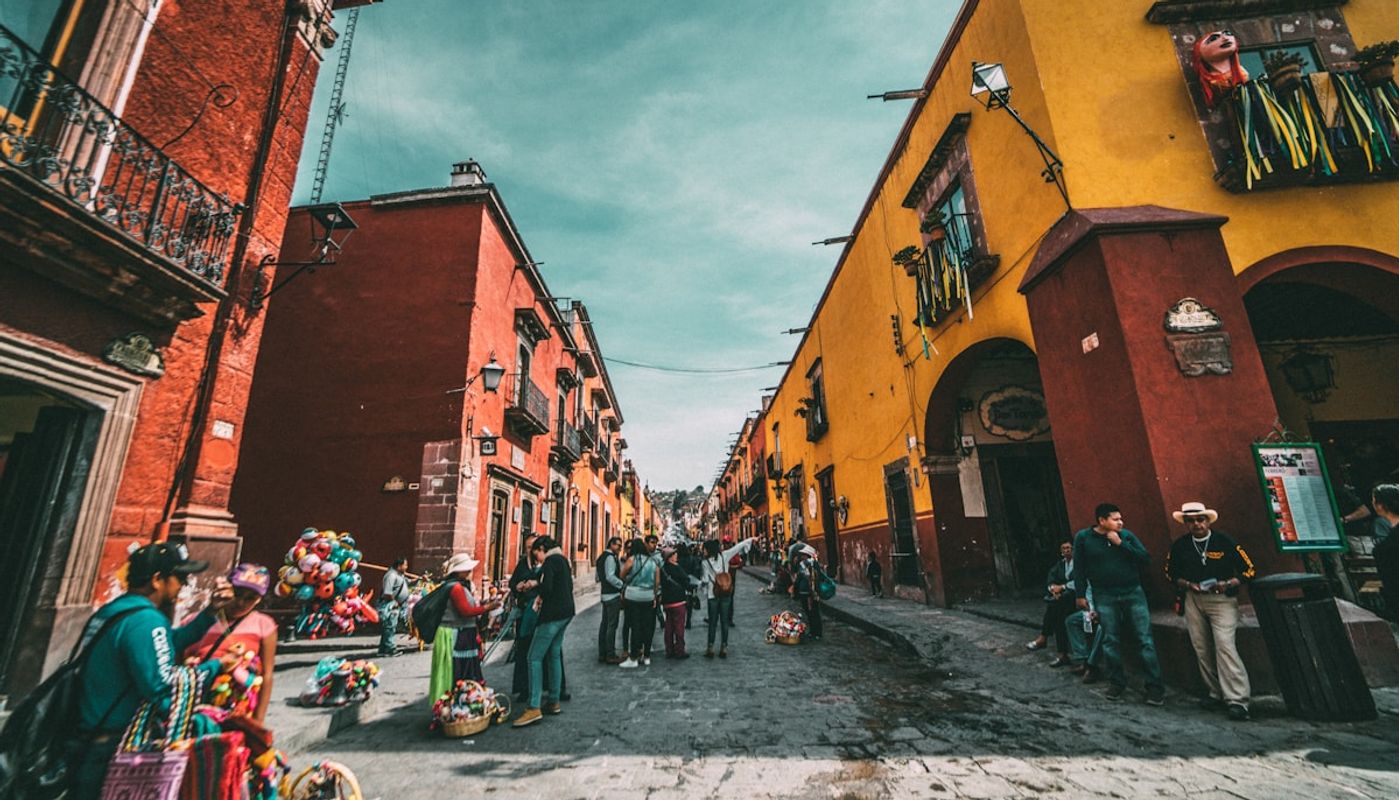
Tulum vs Playa del Carmen vs CDMX vs Puerto Vallarta: Where Foreign Investors Are Buying in 2026
Mexico is the largest foreign property investment market in Latin America, and four destinations dominate the conversation among international buyers: Tulum, Playa del Carmen, Mexico City (CDMX), and Puerto Vallarta. Each serves a fundamentally different investment thesis, and the differences have sharpened considerably since 2023 as regulatory environments, infrastructure realities, and market dynamics have diverged.
Tulum: The Post-Hype Reality
Tulum exploded as an investment destination between 2018 and 2022, driven by Instagram aesthetics, digital nomad culture, and aggressive developer marketing. The results have been mixed, and the 2026 reality is significantly more nuanced than the promotional narrative.
Prices in Tulum range from $2,200 to $4,500 USD per square meter for new-build condominiums. Premium beachfront or cenote-adjacent projects can reach $5,000 to $7,000 per square meter. These prices represent a significant increase from 2019 levels but have plateaued or slightly declined from the 2022 peak as supply has outpaced demand.
Rental yields in Tulum are the subject of intense debate. Developer pro formas frequently project 8% to 12% gross yields, but independent data suggests that actual achieved yields for most units are 4% to 7% gross. The gap is explained by several factors: occupancy rates are lower than projected (averaging 55% to 65% annually rather than the 75% to 85% developers assume), nightly rates have softened as supply has flooded the market, and operating costs (property management, cleaning, platform commissions, utilities) are higher than in other Mexican markets due to Tulum's infrastructure limitations.
The infrastructure issue is Tulum's biggest structural challenge. Despite massive development, the town's water, sewage, and electrical systems have not kept pace. Water shortages are common, power outages occur regularly, and the sewage situation has drawn criticism from environmental organizations. The SEMARNAT (Secretariat of Environment and Natural Resources) has increased enforcement of environmental regulations in the Tulum corridor, and some projects have faced stop-work orders for environmental violations.
The opening of the Tren Maya station in Tulum has improved access from Cancun but has not yet delivered the transformative infrastructure benefits that developers marketed.
Playa del Carmen: The Mature Riviera Maya Market
Playa del Carmen is the more established, urbanized alternative to Tulum, located 60 kilometers north. The city has a deeper infrastructure base, a year-round resident population of approximately 350,000, and a rental market that is less dependent on seasonal tourism than Tulum.
Prices in Playa del Carmen range from $1,800 to $3,500 USD per square meter for new condominiums, with the Playacar gated community and beachfront properties commanding premiums up to $4,500 per square meter. Prices are generally 15% to 25% below comparable Tulum properties, which reflects the more mature market dynamics and less speculative demand.
Rental yields in Playa del Carmen average 5% to 8% gross for well-located, furnished vacation rentals. The Quinta Avenida (5th Avenue) corridor and the blocks immediately adjacent to it perform best, with year-round tourist foot traffic supporting occupancy rates of 65% to 75%. The city's existing hospital, shopping infrastructure, and international school options also attract longer-stay tenants, including retirees and families, which provides a more diversified tenant base than Tulum.
The Quintana Roo state government has been tightening vacation rental regulations across the Riviera Maya. Short-term rental registration requirements now mandate operators to register with the state tourism authority and local municipality, obtain a constancia de clasificacion, and comply with safety and accessibility standards. Enforcement has been inconsistent but is trending toward greater compliance requirements.
Mexico City (CDMX): The Yield Play
CDMX is often overlooked by beach-focused foreign investors, which is a strategic oversight for yield-oriented buyers. The city's 22 million metropolitan population, growing tech sector, expanding international direct flights, and cultural cachet have created a deep and diversified rental market.
Prices in CDMX vary dramatically by colonia (neighborhood). Condesa and Roma Norte, the neighborhoods most popular with foreign buyers and digital nomads, range from $3,000 to $5,500 USD per square meter. Polanco, the city's premium residential and commercial district, ranges from $4,500 to $8,000 USD per square meter. Emerging neighborhoods like Juarez, San Rafael, and Napoles offer prices of $2,000 to $3,500 per square meter with improving infrastructure and growing demand.
Rental yields in CDMX are among the strongest in Mexico for long-term and mid-term rentals. Furnished apartments in Condesa and Roma generate 5% to 7% gross yields for long-term rentals and 7% to 10% for mid-term furnished rentals (one to six months). Polanco yields are lower at 3.5% to 5% due to higher purchase prices, but vacancy rates are extremely low.
CDMX is outside the restricted zone, which means foreign buyers can own property directly without a fideicomiso. This eliminates the annual bank trust fees ($500 to $1,500 USD per year) that apply in coastal markets, improving net yields.
The regulatory environment in CDMX for vacation rentals has become more restrictive. The Cuauhtemoc borough government (which includes Roma, Condesa, and Juarez) has implemented registration requirements for short-term rentals and has taken enforcement actions against unlicensed operators. Buildings in some colonias have also amended their condominium bylaws to restrict or prohibit short-term rentals.
Puerto Vallarta: The West Coast Alternative
Puerto Vallarta and the adjacent Riviera Nayarit offer a Pacific coast alternative to the Riviera Maya, with a buyer demographic that skews older and more North American (particularly Canadian) than the Quintana Roo markets.
Prices in Puerto Vallarta's central zone (Zona Romantica, Centro, Emiliano Zapata) range from $2,500 to $4,500 USD per square meter. The newer developments in the Marina Vallarta and Fluvial Vallarta areas sit at $2,000 to $3,500 per square meter. Across the state border into Nayarit (Nuevo Vallarta, Bucerias, Sayulita), prices range from $2,200 to $4,000 per square meter for beachfront or near-beach developments.
Rental yields in Puerto Vallarta average 5% to 7% gross, with the high season (November through April) driving the majority of revenue. The winter snowbird rental market, where Canadian and American retirees rent for three to six months, provides predictable mid-term income that reduces the volatility of pure short-term rental strategies.
Puerto Vallarta's infrastructure is more developed than Tulum's, with reliable water, stable electricity, and an international airport with direct flights from major North American cities. The Jalisco state government has been supportive of foreign investment in real estate and has not implemented the same level of short-term rental restrictions seen in Quintana Roo and CDMX.
Comparative Summary
For investors seeking beach vacation rental income with proven infrastructure, Playa del Carmen offers the best risk-adjusted returns. For investors prioritizing yield and depth of rental market, CDMX is the strongest choice with the added benefit of no fideicomiso costs. For lifestyle investors willing to accept infrastructure risk and market correction potential, Tulum still offers upside but requires realistic yield expectations. For investors targeting the North American retiree and snowbird market, Puerto Vallarta's seasonal dynamics and community infrastructure are well-suited.
What Bektu Provides
Bektu publishes market-level price indices and rental yield data across all four destinations, with neighborhood-level granularity in CDMX and colonia-level data in the Riviera Maya. The platform's fideicomiso cost calculator helps coastal buyers understand the true cost of ownership versus CDMX direct ownership.
Sources: INEGI (National Statistics Institute), SEMARNAT, Quintana Roo State Government, Jalisco State Government.
Sign up to read the rest
Create a free account to keep reading. It only takes a minute.
Considering a developer you read about here?
You cannot walk the land from another country. But you can verify the developer. Bektu contacts them on your behalf and sends you a scored report. They never see who asked.
Search and verify any developerMore from Bektu
Stay a step ahead of the wire transfer
Get the occasional note from Bektu on verifying developers before you commit. No noise, just what matters.
We will never share your email. You can opt out at any time.