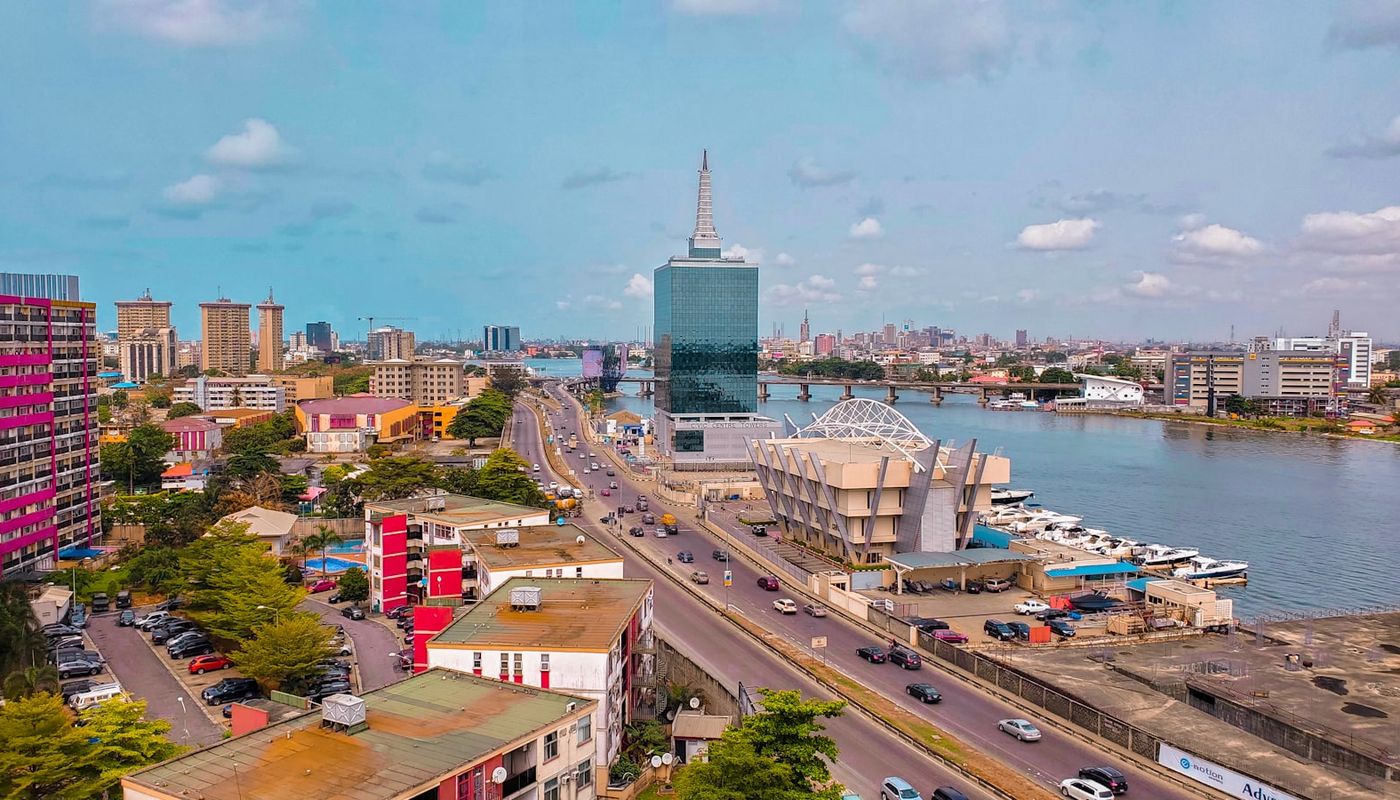
Which Areas in Lagos Are Actually Safe to Buy Land?
If I had a naira for every investor who asked me "Which area in Lagos should I buy?" I'd have enough for a plot in Banana Island.
The honest answer is: it depends what you mean by "safe," because Lagos real estate safety is a spectrum, not a binary. You can get your money back safely in some areas and lose everything in others-sometimes on the same street.
Let me break down the major investment areas in Lagos and what you're actually risking when you buy there.
Lekki Phase 1 and 2: The "Proven" Zones
The appeal: Lekki Phase 1 and 2 are the Lagos success stories. These are among the longest-established residential areas. Government title, registered plots, developers with decades of operating history.
What's actually safe here: Government acquisition risk is low. The land is demarcated, registered at the Lands Registry, and the property market is mature. If you buy from a reputable developer with a track record, you'll likely get your plot.
What's not safe: Price. You're paying Lekki Phase 1 and 2 premium (₦5-₦15 million per plot depending on size and exact location). You're paying for certainty, not returns. If you're expecting land to triple in value in five years, Phase 1 and 2 won't deliver that. If you want to park money safely, they will.
Reality check: Lekki Phase 1 flooding during heavy rains is real. Some plots in lower-lying areas flood. Check before buying.
Ibeju-Lekki: High Risk, High Reward
The appeal: It's raw, it's cheap, and it's "the future." Road is now completed to Epe. Everyone says Ibeju-Lekki will be "the next Lekki Phase 1" in ten years.
What's risky: Ibeju-Lekki is mostly still empty land. Government acquisition for future infrastructure is possible. Omonile (native land owner) disputes are common-you might buy what you think is government land, then a local chief claims it's theirs. Title documentation is often questionable.
The specific scam: Developers buy small tracts from Omoniles, then subdivide and sell 10 plots where there should be 5. Years later, boundaries collide, plot swapping happens, or the native owner resurfaces demanding more money.
Who succeeds here: People who buy from developers who've already done a dozen projects in Ibeju-Lekki, have clean title, and have completed and delivered plots. Those developers exist. But you need to verify them through their actual completion history, not their marketing.
Who loses: People who buy cheap land from a developer with one project in Ibeju-Lekki.
Ajah and Epe: The Spillover Growth
The appeal: Cheaper than Lekki, but same general direction of growth. Epe especially is becoming a satellite area for overflow from Lagos.
What's relatively safe: As you move toward Epe, development is slower but often more planned. Epe has better title documentation than Ibeju-Lekki.
What's risky: Flooding. Both Ajah and Epe are close to water bodies. Your land might be "high and dry" according to the survey, but check during rainy season. Also: infrastructure is still basic. Roads are often impassable during rains.
Omonile issues: These exist in Ajah and Epe too, just less commonly than Ibeju-Lekki. Ask about the development history. Is the land old government allocation or recent purchase from locals?
Ikorodu: The Budget Option (With Catches)
The appeal: Very affordable. Hour's drive from central Lagos. Some infrastructure is developing.
What's risky: Ikorodu has Omonile villages scattered throughout. You might buy what's supposedly government land, but overlapping claims are common. Also: flood-prone. Some areas are swampy.
The timeline issue: Ikorodu takes longer to develop than central Lagos. Buy in Ikorodu expecting 10+ years to see appreciation, not 3-5.
Who's buying: Nigerians looking for cheap land for long-term holds or family heritage. Not investors expecting quick resale.
Banana Island and Victoria Island: Safety + Premium Price
The appeal: Prime location, established market, government land, no Omonile issues.
What you're paying for: Certainty. Your land is there, it's registered, government won't seize it. But you're paying ₦20-₦50+ million per plot depending on size.
Who buys here: People who need the address for status, people parking money in real estate (because BI and VI have stable, internationally recognized value), people who can afford it and want zero headaches.
The reality: These areas appreciate, but slowly. You're paying for stability, not growth.
The Omonile Factor
There's an informal list circulating among lawyers of "highest-risk" areas for Omonile disputes:
- Parts of Ibeju-Lekki (especially parcels purchased in the last 10 years)
- Ikorodu (various villages)
- Epe (some areas)
- Agege/Iyana Ipaja
- Badagry Road axis
If you're buying in any of these, get a lawyer to do a thorough title check. Not just "does the surveyor say it's clean?" but "has the Lands Registry been updated?" and "are there any competing claims filed?"
Government Acquisition Risk
This is a real, often-underestimated risk. Government acquires land for:
- Road expansion
- Public utilities
- Infrastructure projects
- Political favors
When government acquires land, owners get "compensation" (often undervalued). Your investment stops appreciating. Sometimes it depreciates.
Lekki Phase 1 and 2 are relatively safe from this because the land is already heavily developed. Ibeju-Lekki, Ikorodu, and Epe are more vulnerable because there's still room for roads and utilities to expand.
What You Should Actually Do
1.Define what "safe" means to you: Are you trying to preserve capital? Seeking appreciation? Buying as a family asset? Your answer changes which area makes sense.
2.Check the developer through Bektu: Regardless of which area you're buying, verify the developer's track record onBektu. Have they completed projects in that specific area? How many plots have they delivered?
3.Get independent title verification: Don't just trust the developer. Get a lawyer to verify the title independently.
4.Visit the area multiple times: During dry season and rainy season. You need to see flooding, accessibility, and actual conditions.
5.Ask around locally: Talk to people who've already bought in the area. They'll tell you what's actually happening (Omonile issues, flooding, infrastructure delays).
The Unspoken Hierarchy
If I rank these areas purely on "risk of not getting what you paid for":
1.Lowest risk: Lekki Phase 1, Banana Island, Victoria Island
2.Moderate risk: Lekki Phase 2, Ajah
3.Higher risk: Epe, Ikorodu
4.Highest risk: Ibeju-Lekki (without developer verification)
But that hierarchy flips if you're looking purely at appreciation potential. The highest-risk areas have the highest potential returns-if the developer is legitimate and the area develops as expected.
Your job is to de-risk the highest-risk areas by checking the developer's actual delivery history onBektuBefore you buy. A developer with five completed projects in Ibeju-Lekki that you can verify is safer than an unknown developer in Lekki Phase 1 with no track record.
There's no area in Lagos where you can completely stop thinking. But there are areas where you can think less. Choose based on what you can afford to lose and how much time you have.
Sign up to read the rest
Create a free account to keep reading. It only takes a minute.
Considering a developer you read about here?
You cannot walk the land from another country. But you can verify the developer. Bektu contacts them on your behalf and sends you a scored report. They never see who asked.
Search and verify any developerMore from Bektu

Stay a step ahead of the wire transfer
Get the occasional note from Bektu on verifying developers before you commit. No noise, just what matters.
We will never share your email. You can opt out at any time.