A Diaspora Guide to Buying Property in Nigeria: Step by Step (2026)
The honest version
Buying property in Nigeria from abroad works, and diaspora buyers now drive as much as 70 percent of capital into the premium residential market. But the distance that makes it convenient to send money is the same distance that makes fraud easy. This is the process that protects you, step by step, with the real costs and the visa rules included.
Step 1: Decide your structure before you fall in love with a property
You can buy as an individual or through a Nigerian-incorporated company. As an individual foreigner or diaspora buyer you hold a statutory right of occupancy for a term up to 99 years, because freehold no longer exists for anyone under the Land Use Act. Many investors holding multiple properties use a Nigerian company instead, which can simplify ownership and succession. Decide this early, because it affects how the title is registered and how Governor's Consent is processed.
One rule applies only to non-Nigerians. Because the governor controls all land, several states require the governor's approval before a foreign national can acquire land, and Lagos State's Acquisition of Lands by Aliens Law caps the term granted to a foreigner at 25 years including renewals. Nigerians in the diaspora who still hold their citizenship are not treated as aliens and buy on the same terms as residents.
Step 2: Choose the market for your goal, not the hype
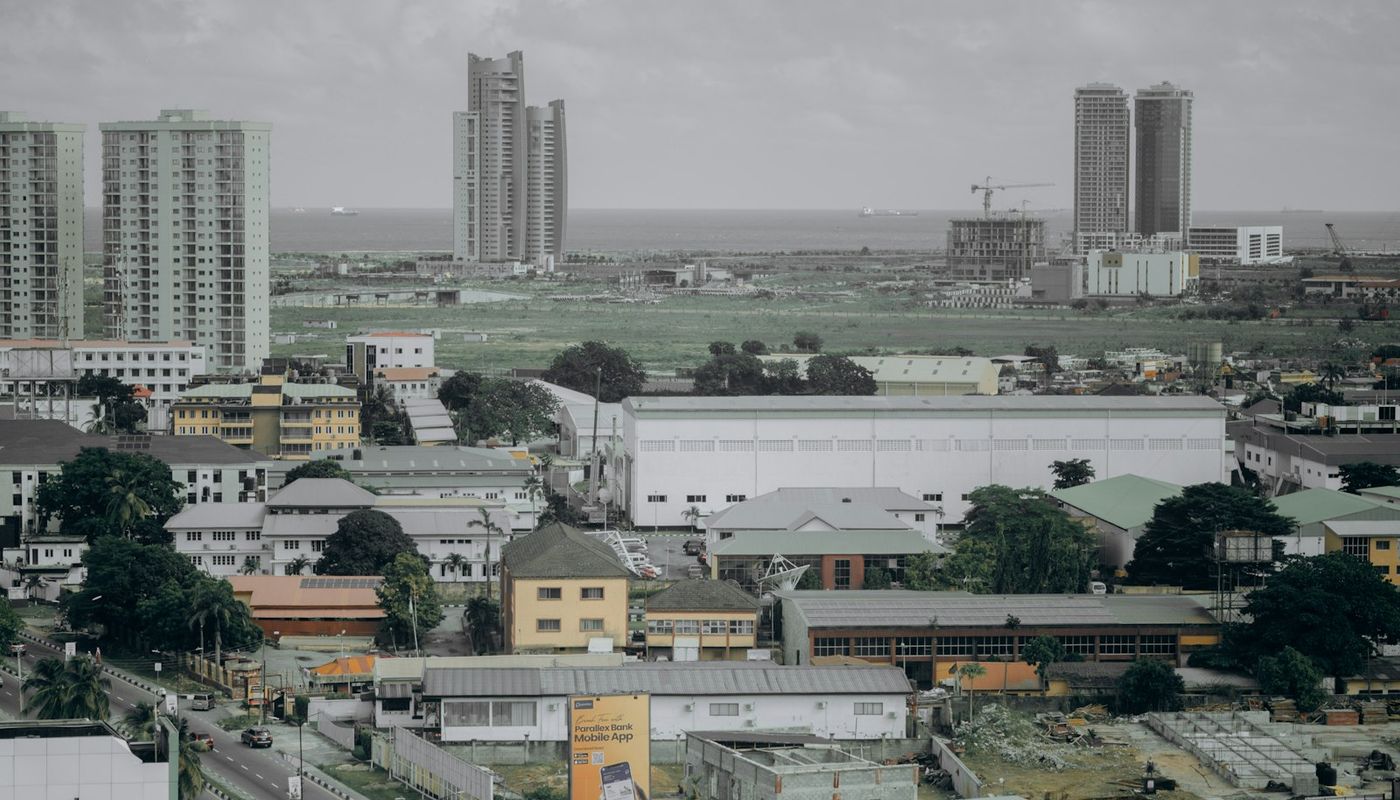
Lagos offers the strongest appreciation and rental income, especially near confirmed infrastructure like the Lagos-Calabar Coastal Highway corridor. Abuja offers a cleaner, centralised title system through AGIS and a stable corporate tenant base, which matters when you cannot manage the property in person. Port Harcourt offers lower entry prices but the most local-claim risk. Match the city to whether you want growth, stability, or value.
Inside Lagos, the Lekki and Ibeju-Lekki corridor carries forecast growth of 18 to 25 percent on the back of the coastal highway. In Abuja, intermediate districts such as Gwarinpa and Lugbe are where premium rental demand is steadiest.
Step 3: Engage your own lawyer, not the developer's
This is the step diaspora buyers skip most often and regret most. Retain an independent Nigerian property lawyer who represents you alone. Their job is to verify title, run the registry search, review the contract, and process Governor's Consent. The fee is a fraction of the purchase price and the single best protection you have when you are thousands of miles away.
Step 4: Verify the title at the registry
Confirm the land's title independently before any payment. In Lagos, search the Lands Bureau and the state eGIS portal. In Abuja, request a search through AGIS. Confirm the Certificate of Occupancy or Governor's Consent is genuine, matches the registry, and is free of encumbrances. A title that cannot be verified at the state registry is not a title you should pay for.
Fewer than 10 percent of Nigerian land parcels are formally registered in government databases, which is why the registry search has to be done by your own lawyer rather than inferred from documents the seller supplies. The search is what exposes forged Certificates of Occupancy, cloned receipts, manipulated survey plans, land already under government acquisition, and the omo onile pattern where family representatives sell the same plot to several buyers. Property fraud is estimated to cost the Nigerian economy around 4 billion dollars a year, and Lagos alone has logged more than 1,500 land fraud cases since 2020.
Step 5: Verify the developer
For off-plan and estate purchases, the developer's track record is as important as the land. Confirm the company is registered with the Corporate Affairs Commission, inspect completed projects through a trusted local representative, and check delivery history on a transparency platform like Bektu so you are not relying on brochures and testimonials. A clean title attached to a developer that never finishes its estates is still a bad purchase.
Developers with visible delivery records include Zylus Homes, founded in 2018 and behind the Lekki Pride series and the Project 2000 Homes campaign, and Veritasi Homes, operating since 2012 in Lekki. LandWey, Adron Homes, UPDC, Primewaterview, and Sujimoto operate at different price points. A recognisable brand is a filter, not a guarantee. What you are confirming is whether the company has handed over completed, titled units on the timeline it promised.
Step 6: Understand the full cost stack
The headline price is not the total. In Lagos the core transfer taxes run roughly 3.5 percent of value, made up of stamp duty around 1.5 to 2 percent, Governor's Consent fee around 1.5 percent, and registration around 0.5 percent. Most other states, including the FCT, Rivers, Kano, and Oyo, charge stamp duty closer to 1.5 percent. Once you add legal fees, agency commission, and survey and documentation costs, realistic total closing costs land around 10 to 15 percent of the purchase price. There is no separate foreigner surcharge, but foreign buyers often pay more in practice because of certified true copies, notarisation, and embassy legalisation of documents. Lagos has also raised its consent, stamp duty, and registration charges recently, so confirm current rates at closing rather than relying on old figures.
Two further tax items belong in the budget. Capital gains tax is 10 percent of the gain when you sell, and Lagos owners pay an annual Land Use Charge that carries a discount for early payment. Nigeria's Tax Act 2025 took effect on 1 January 2026 and reshaped parts of the real estate tax framework, so confirm rates with your lawyer rather than working from older guides.
Step 7: Move money through proper channels
Use formal banking channels and keep records. A Certificate of Capital Importation, obtained when you bring foreign currency in through an authorised dealer bank, documents your inflow and supports the later repatriation of rental income and sale proceeds. Pay into the seller's or developer's corporate account, never a personal account, and never against pressure to wire quickly before verification is complete.
Step 8: Complete the transfer and perfect the title
After payment, your lawyer prepares and registers the deed of assignment and processes Governor's Consent on your transaction. Remember that under Section 22 of the Land Use Act the transfer is not legally effective until consent is granted, and Section 26 can render an unconsented deal void. Do not treat a signed deed and a receipt as the finish line. Perfected, consented, registered title is the finish line.
Where residency fits in
Buying property does not by itself grant residency in Nigeria. There is no property-for-citizenship or automatic investor visa tied to a purchase. Foreigners who want to live in Nigeria for a year or more apply for the Combined Expatriate Residence Permit and Aliens Card (CERPAC), which grants residence for up to two years and is renewable. As of 2025 the process moved onto the digital Expatriate Administration System, and the newer e-CERPAC can be processed before arrival. Investors typically establish a Nigerian company, obtain a business permit and where relevant an expatriate quota, and then apply for CERPAC. If you hold Nigerian citizenship or descent, separate diaspora and citizenship routes may apply and are worth checking directly with the Nigeria Immigration Service.
The Immigration Service moved CERPAC onto an exclusive digital platform from 1 August 2025, alongside the e-Visa regime introduced in May 2025, and has introduced an indefinite investor-oriented "Brown" CERPAC card, though the full procedure for that route was still being published at the time of writing.
After you own it
Ownership comes with ongoing duties. Keep ground rent and land use charges current, because unpaid statutory charges can expose even a perfected title to revocation under the Land Use Act. Put property management in place before tenants move in, and if you brought capital in formally, keep your documentation so income and eventual sale proceeds can be repatriated cleanly.
Done in this order, buying from abroad is a controlled process rather than a leap of faith. The mistakes that cost diaspora buyers their savings almost always trace back to skipping verification or paying before the title and the developer were confirmed. Do those two things and the rest is manageable.
Sources
- Property Buying & Ownership for US Citizens in Nigeria 2026 (The Africanvestor)
- Property Taxes, Fees and Costs in Nigeria 2026 (The Africanvestor)
- Lagos Increases Governor's Consent, Stamp Duties, Other Land Transaction Fees (Legit.ng)
- Combined Expatriate Residence Permit and Aliens Card, CERPAC (Nigeria Immigration Service)
- Nigeria: New Digital Process for Quota, Business Permit and CERPAC (Fragomen)
Sign up to read the rest
Create a free account to keep reading. It only takes a minute.
Considering a developer you read about here?
You cannot walk the land from another country. But you can verify the developer. Bektu contacts them on your behalf and sends you a scored report. They never see who asked.
Search and verify any developerMore from Bektu
Stay a step ahead of the wire transfer
Get the occasional note from Bektu on verifying developers before you commit. No noise, just what matters.
We will never share your email. You can opt out at any time.