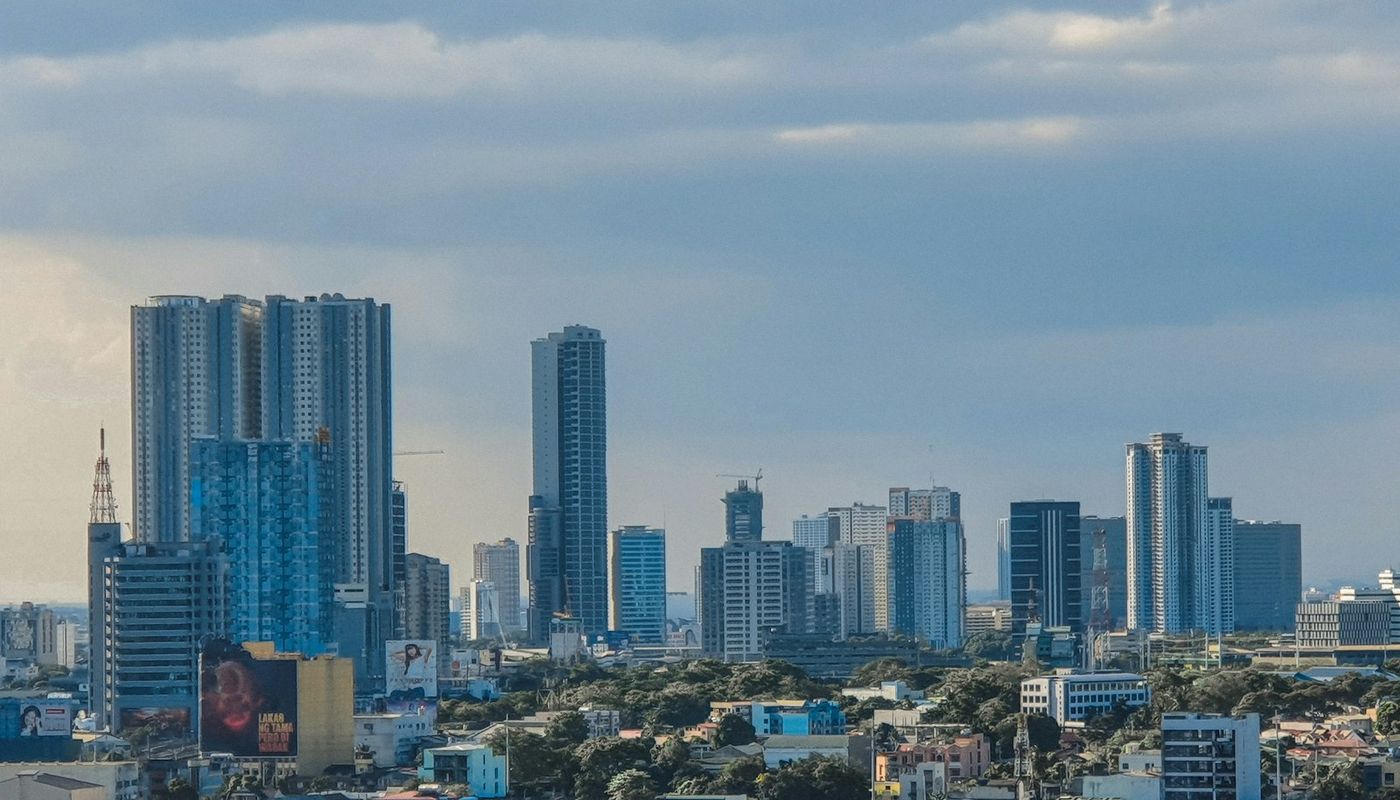
Property Taxes and Closing Costs for Foreign Condo Buyers in the Philippines (2026)
A foreign buyer purchasing a condominium in the Philippines pays the same taxes as a Filipino buyer. There is no foreigner surcharge. What catches people out is the total stack of closing costs and the recurring taxes after purchase, plus the habit of developers shifting taxes that are legally the seller's onto the buyer. Budget for roughly 4 to 8 percent of the purchase price in buyer-side costs, and know which line items are negotiable.
Closing Costs at Purchase
Most foreign buyers should expect total closing costs of roughly 4 to 7 percent of the purchase price. With strong negotiation where the seller absorbs all seller-side taxes, that can fall to about 2.5 to 3.5 percent. The main components break down as follows.
Documentary Stamp Tax (DST). This is 1.5 percent of the selling price or the Bureau of Internal Revenue zonal value, whichever is higher. DST is typically the single largest fixed line item a buyer pays and is usually shouldered by the buyer.
Transfer Tax. The local government transfer tax in Metro Manila is commonly budgeted at about 0.75 percent, calculated on the higher of the selling price, the BIR zonal value, or the local fair market value. Rates vary by local government unit.
Registration Fees. The Registry of Deeds charges a graduated registration fee to issue the Condominium Certificate of Title in your name, generally well under 1 percent of the price. Registering promptly is essential to perfect your ownership.
Capital Gains Tax (CGT). The 6 percent CGT on the gross selling price or zonal value, whichever is higher, is legally the seller's responsibility. In practice, developers and resale sellers frequently negotiate to pass part or all of it to the buyer. Clarify in writing who pays this before you sign, because at 6 percent it dwarfs the other line items.
Value-Added Tax (VAT). A 12 percent VAT may apply to new units sold by developers above certain price thresholds. For pre-selling and primary-market purchases, confirm whether VAT is already included in the quoted price.
Who Actually Pays What
On paper, the seller pays CGT and the buyer pays DST, transfer tax, and registration. In the real market, developers and sellers shift costs through the contract. The only figure that matters is your net out-of-pocket, so ask for a full breakdown of which taxes you are covering and get it in writing in the reservation agreement. A unit advertised at a clean price can carry several percent in buyer-shouldered taxes that only appear at closing.
Recurring Costs After You Own
Real Property Tax (RPT). This annual tax runs 1 to 2 percent of the assessed value, but assessed value is typically set well below market value. In practice, budget roughly 0.3 to 0.8 percent of your unit's market value per year. Metro Manila and the provinces apply different assessment levels, and many local governments grant a discount for early annual payment.
Association and Condominium Dues. The condominium corporation charges monthly dues for security, maintenance, and common-area upkeep, billed per square meter. These are not a tax but are a real recurring cost that affects your net rental yield, and they can rise over time.
Tax on Rental Income and Resale
If you rent out the unit, rental income is subject to Philippine income tax, and non-resident foreign owners are taxed on Philippine-sourced income. When you sell, the 6 percent CGT applies to the sale, and as a foreigner you should plan for how proceeds are repatriated and how the sale interacts with tax in your home country. Treaty relief may apply depending on your nationality, so this is worth confirming with a Philippine tax adviser.
The Practical Checklist
Before you commit, get a written breakdown of every tax and fee and confirm exactly which ones you are paying. Verify the developer's DHSUD License to Sell. Register your title immediately after closing to lock in ownership and avoid the double-sale risk that comes with unregistered purchases. Factor RPT and monthly dues into any yield calculation, since headline rental yields ignore them. And check the developer's delivery record before buying off-plan; platforms such as Bektu compile developer track records so you can confirm a company actually completes and turns over its projects before you pay. The tax rates here are predictable. The surprises come from costs quietly shifted onto the buyer at closing.
Sources
- Property Taxes, Fees and Costs in the Philippines 2026 (Bamboo Routes)
- Property Taxes, Fees and Costs in Manila 2026 (Bamboo Routes)
- Property-Related Taxes in the Philippines (Global Property Guide)
- Property Taxes in the Philippines: Full Guide (Wise)
- Added Costs of Buying a Condo in the Philippines 2026 (Eurotowers International)
Sign up to read the rest
Create a free account to keep reading. It only takes a minute.
Considering a developer you read about here?
You cannot walk the land from another country. But you can verify the developer. Bektu contacts them on your behalf and sends you a scored report. They never see who asked.
Search and verify any developerMore from Bektu
Stay a step ahead of the wire transfer
Get the occasional note from Bektu on verifying developers before you commit. No noise, just what matters.
We will never share your email. You can opt out at any time.