Philippines Condo Investment: What Foreign Buyers Need to Know About Pre-Selling, Turnover, and Rental Yields
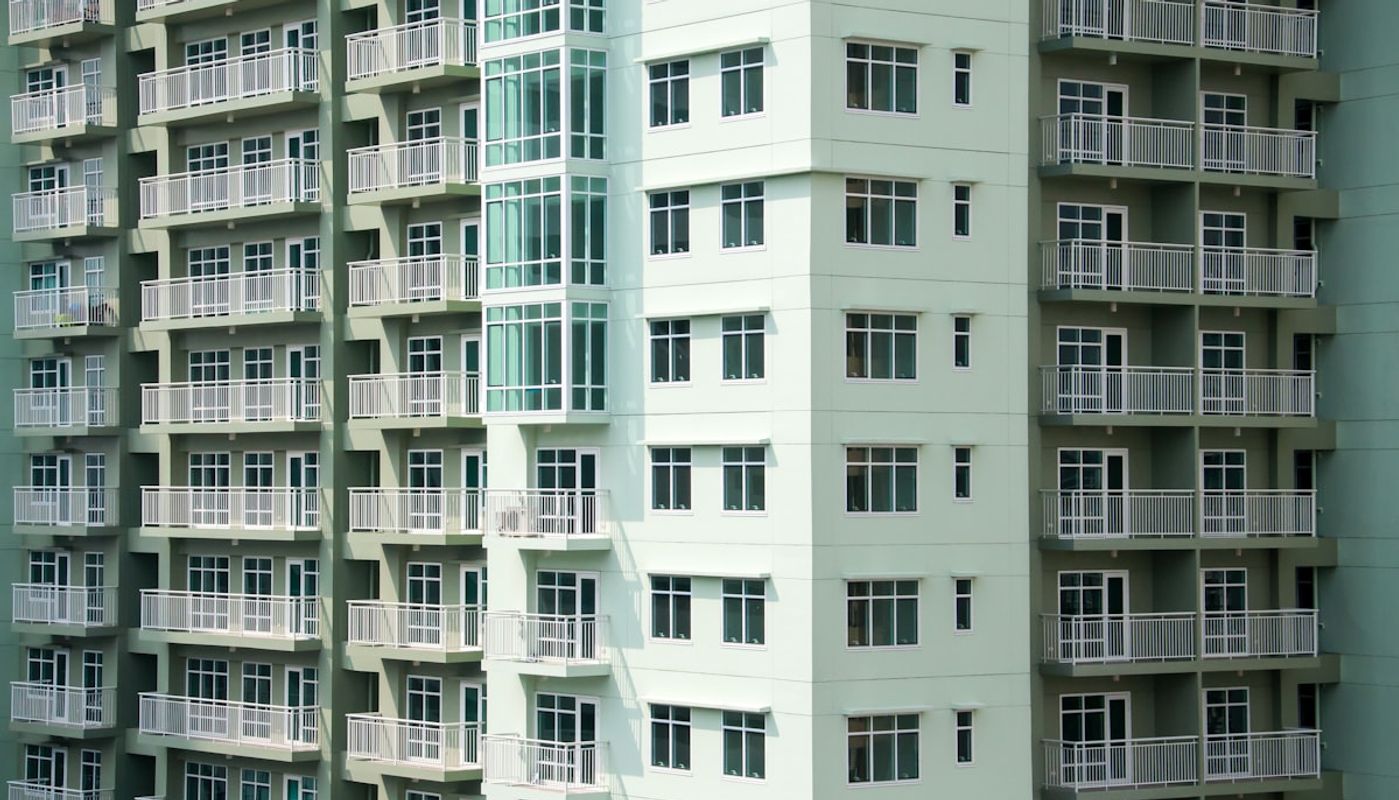
The Philippine condo market runs on pre-selling. Over 70% of new residential condo units in Metro Manila are sold before construction is complete, according to Colliers Philippines data. For foreign investors, understanding how pre-selling works, what happens at turnover, and what rental yields actually look like after all costs is the difference between a profitable investment and an expensive lesson.
How Pre-Selling Works
Pre-selling means buying a condo unit from a developer before or during construction. The developer uses buyer payments to partially fund construction, and buyers benefit from lower prices compared to ready-for-occupancy (RFO) units.
A typical pre-selling payment structure for a PHP 5 million unit:
Reservation fee: PHP 25,000 to PHP 50,000 (deducted from the total price).
Down payment: 15% of the total price (PHP 750,000), payable in monthly installments over 24 to 36 months. That works out to PHP 20,833 to PHP 31,250 per month.
Balance: 85% of the total price (PHP 4,250,000), due at turnover. This can be paid in cash, through bank financing, or through the developer's in-house financing program.
Pre-selling prices are typically 20% to 30% below RFO prices for the same developer and location. This built-in price appreciation is the primary attraction for investors. A unit purchased at PHP 5 million during pre-selling might have a market value of PHP 6.5 to PHP 7 million at turnover 3 to 4 years later.
However, this appreciation is not guaranteed. Market downturns, oversupply in specific locations, or developer delays can erode or eliminate the price premium. The post-pandemic market correction saw some pre-selling units in oversupplied locations (particularly in the Bay Area and Entertainment City near Manila) turn over at values at or below their pre-selling price.
Developer In-House Financing vs Bank Financing
At turnover, the balance payment is the critical decision point. Foreign buyers have three options.
Cash payment: Pay the full balance at turnover. Some developers offer a 5% to 10% discount for lump-sum cash payment. This is the simplest option but requires significant liquidity.
Developer in-house financing: Most major developers offer financing programs with terms of 5 to 10 years. Interest rates are typically higher than bank rates, ranging from 12% to 18% per annum. The advantage: developers do not require the same documentation as banks and are generally more willing to lend to foreign buyers. The disadvantage: the high interest rate significantly reduces net returns.
Bank financing: Some Philippine banks (BDO, BPI, Metrobank, and others) offer housing loans to foreign nationals, but approval is difficult. Requirements typically include proof of Philippine-sourced income, a Philippine TIN, and sometimes a Filipino co-borrower. Interest rates run 6% to 9% per annum for the first 3 to 5 years, then adjust to prevailing rates. Foreign buyers should not assume bank financing will be available and should have a cash contingency plan.
Turnover: What Actually Happens
The turnover process is where many foreign investors encounter their first surprises.
Timeline delays: Philippine developers routinely miss projected turnover dates. A delay of 6 to 18 months beyond the original projected turnover is common even among top-tier developers. PD 957 requires developers to deliver within a reasonable time, and buyers can file complaints with DHSUD for unreasonable delays, but the practical reality is that delays happen and legal recourse is slow.
Unit condition: At turnover, the developer conducts a walkthrough and the buyer submits a punch list of defects. Common issues include uneven flooring, paint imperfections, plumbing problems, and minor electrical issues. Most developers address punch list items within 30 to 90 days. Major structural issues are rare with established developers but should be documented immediately.
Balance payment pressure: The developer will require balance payment before or at turnover. If the buyer cannot pay, the developer may cancel the Contract to Sell under the cancellation provisions of Republic Act 6552 (the Maceda Law). Under Maceda Law, buyers who have paid at least two years of installments are entitled to a 50% refund of total payments if the contract is cancelled, with an additional 5% for each subsequent year of payment. Buyers who have paid less than two years of installments receive a 60-day grace period before cancellation.
Rental Yield Analysis: Gross vs Net
The single biggest mistake foreign investors make in Philippine condo investment is confusing gross rental yield with net rental yield. Developer marketing materials and broker presentations almost always cite gross yields. The difference between gross and net can be 2 to 4 percentage points.
Here is a realistic yield calculation for a PHP 6 million one-bedroom condo (35 sqm) in BGC:
Monthly rental income: PHP 25,000 (based on current Lamudi and Dot Property listings for comparable units).
Gross annual rental income: PHP 300,000.
Gross rental yield: PHP 300,000 / PHP 6,000,000 = 5.0%.
Now subtract the actual costs:
Association dues: PHP 3,500/month (PHP 100/sqm x 35 sqm) = PHP 42,000/year.
Real property tax: Approximately 1% to 2% of assessed value. For a PHP 6 million unit with an assessed value of approximately PHP 3 million, annual RPT is approximately PHP 30,000 to PHP 60,000.
Property management fee: If using a property management company (recommended for foreign owners), fees run 8% to 12% of monthly rental income = PHP 24,000 to PHP 36,000/year.
Vacancy allowance: Even in strong markets, assume 1 month vacancy per year for tenant turnover. Lost income: PHP 25,000.
Maintenance and repairs: Budget PHP 10,000 to PHP 20,000/year for minor repairs, appliance maintenance, and unit turnover cleaning.
Income tax: Rental income in the Philippines is subject to income tax. For foreign individuals not engaged in trade or business in the Philippines, rental income is subject to a flat 25% withholding tax under the National Internal Revenue Code. Some foreign owners structure ownership through a Philippine corporation, which has different tax implications.
Net annual rental income after costs (before income tax): PHP 300,000 - PHP 42,000 - PHP 45,000 - PHP 30,000 - PHP 25,000 - PHP 15,000 = PHP 143,000.
Net rental yield (before income tax): PHP 143,000 / PHP 6,000,000 = 2.4%.
After the 25% withholding tax on gross rental income: Net income drops further. The effective net yield after all costs and taxes is typically 1.5% to 3.0% for most Philippine condo investments.
This does not mean Philippine condo investment is unprofitable. The total return includes capital appreciation, which has historically averaged 3% to 7% per year in prime Manila locations. But investors should not buy Philippine condos expecting to live on rental income alone.
Association Dues and Special Assessments
Association dues are mandatory monthly payments to the condominium corporation that covers building maintenance, security, utilities for common areas, insurance, and sinking fund contributions. Rates are set by the condominium corporation's board and typically range from PHP 60 to PHP 120 per square meter per month.
Special assessments are additional charges levied for major capital expenditures like elevator replacement, facade repainting, or lobby renovation. These can be substantial (PHP 50,000 to PHP 200,000 or more per unit) and are not optional. Foreign owners who are not physically present when special assessments are voted on may find charges on their account with limited ability to contest them.
Under RA 4726, failure to pay association dues can result in the condominium corporation placing a lien on the unit. Persistent non-payment can lead to foreclosure.
Property Management for Foreign Owners
Foreign investors who will not be residing in the Philippines need a property management company to handle tenant screening, rent collection, maintenance, and government compliance.
Major property management options in Metro Manila include established firms that charge 8% to 12% of monthly rental income, plus VAT. Some developers offer in-house property management through their leasing arms (Ayala Land has Ayala Property Management Corporation, Megaworld has Global Estate Resorts).
Services typically included: Tenant finding and screening. Lease agreement preparation. Monthly rent collection and remittance. Maintenance coordination. Government compliance (real property tax payment, association dues). Monthly financial reporting.
When evaluating property management companies, verify that the company or its principal broker is licensed with the PRC under RA 9646. Request references from other foreign clients. Confirm their process for remitting rental income to foreign bank accounts.
Choosing the Right Unit for Investment
Not all condo units generate equal returns. For the Philippine rental market, the following unit types consistently outperform:
Studio and one-bedroom units (22 to 36 sqm): Highest yield per square meter. Strongest demand from BPO workers and young professionals. Easiest to rent and manage.
Units within 1 km of PEZA IT Parks: BPO workers overwhelmingly prefer to live near their workplace. Proximity to a PEZA zone is the single strongest predictor of occupancy rates.
Mid-floor units with city views: Lower floors are noisier and less desirable. Upper floors command premiums but cost more to acquire. Floors 10 to 25 in a 30 to 40 story building offer the best value-to-rent ratio.
Furnished units: In the Philippine rental market, tenants expect furnished units (unlike some Western markets). Budget PHP 150,000 to PHP 300,000 for basic furnishing of a studio or one-bedroom unit. This cost is not recoverable through higher rent in a linear fashion, but furnished units rent faster and experience shorter vacancy periods.
Bektu tracks rental yield data across Philippine condo developments and publishes quarterly updates to help foreign investors identify the highest-performing locations and unit types.
Sign up to read the rest
Create a free account to keep reading. It only takes a minute.
Considering a developer you read about here?
You cannot walk the land from another country. But you can verify the developer. Bektu contacts them on your behalf and sends you a scored report. They never see who asked.
Search and verify any developerMore from Bektu


Stay a step ahead of the wire transfer
Get the occasional note from Bektu on verifying developers before you commit. No noise, just what matters.
We will never share your email. You can opt out at any time.