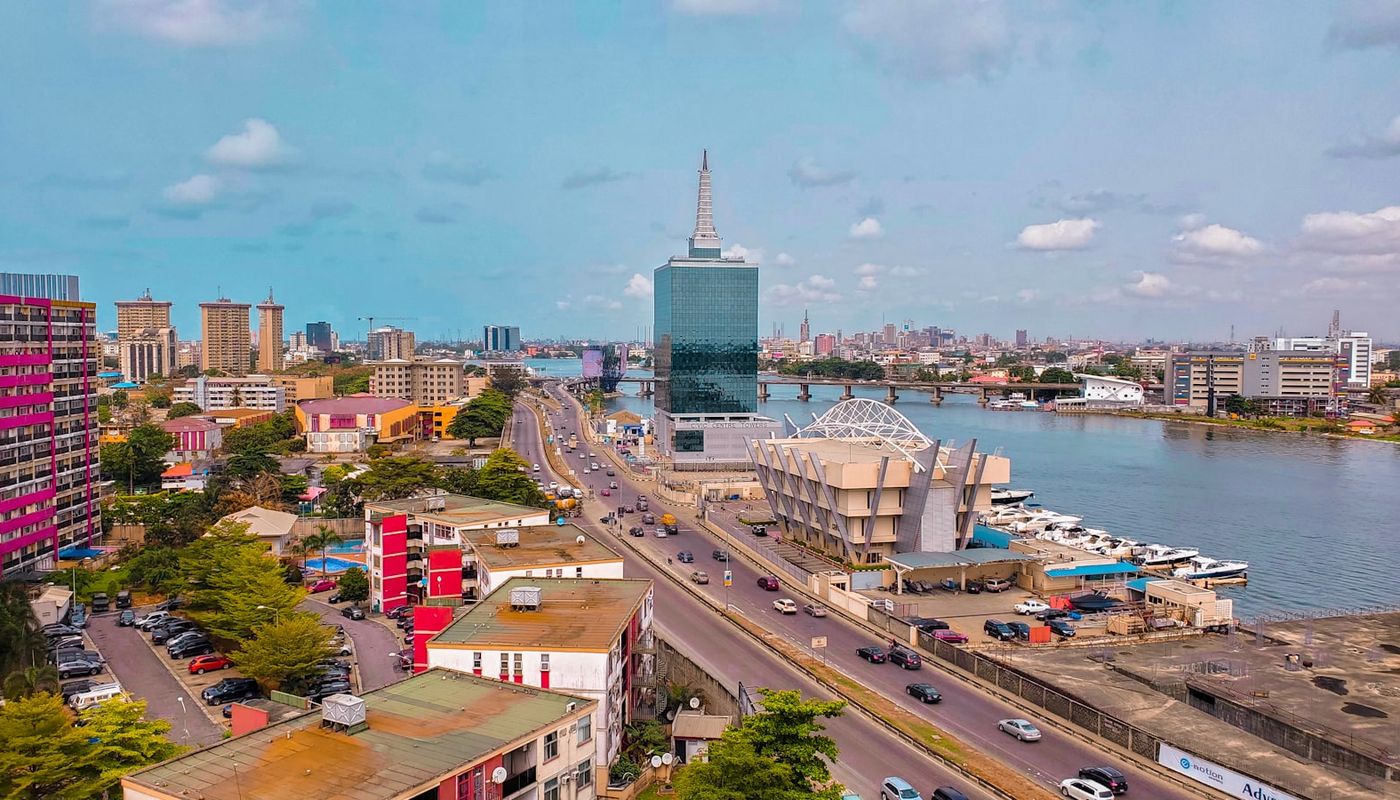
Nigeria Real Estate FAQ for Foreign Buyers: 25 Questions Answered
Buying property in Nigeria as a foreigner or a member of the diaspora raises the same questions over and over. This FAQ answers 25 of the most common ones, with the specific laws, titles, and numbers that actually govern a purchase. Nigeria has no constitutional bar on foreign ownership, but the Land Use Act of 1978 and a layer of state laws shape what you can hold and how you secure it.
Can foreigners own property in Nigeria?
Foreigners can hold property in Nigeria, but no one in Nigeria owns land outright. The Land Use Act of 1978 vests all land in each state in the Governor, who grants holders a right of occupancy for a term of up to 99 years. Foreigners and Nigerians alike receive a leasehold interest, not absolute freehold, so what you buy is a long-term right of occupancy evidenced by a Certificate of Occupancy.
What is the Land Use Act and why does it matter?
The Land Use Act of 1978 is the single most important property law in Nigeria. It nationalised land control, placed urban land under the Governor and rural land under Local Governments, and made the Governor's consent mandatory for most transfers. Every title question, from how you buy to how you sell, traces back to this Act.
What is a Certificate of Occupancy (C of O)?
A Certificate of Occupancy is the document the Governor issues to confirm your right of occupancy over a specific parcel for a set term, usually 99 years. It is the strongest statutory title most buyers will hold. A C of O does not by itself prove the seller had a clean root of title, so it must be checked against the land registry and any prior transactions.
What is the difference between a C of O and a Governor's Consent?
A C of O is the original grant of a right of occupancy, while Governor's Consent is the approval required when an existing holder transfers that right to someone else. Section 22 of the Land Use Act makes it unlawful to alienate a right of occupancy without the Governor's consent. If you buy a property that already has a C of O, your purchase still needs Governor's Consent to be valid against the state.
What is a Deed of Assignment?
A Deed of Assignment is the contract that transfers the seller's interest in the land to you. It is the core purchase document, and it must be stamped, assessed for tax, and registered, then taken through Governor's Consent and registration to be perfected. Without perfection, a Deed of Assignment gives you equitable rights but weak protection against third parties.
What does it mean to perfect a title in Nigeria?
Perfecting a title means completing the three statutory steps after signing: obtaining Governor's Consent, paying stamp duty, and registering the instrument at the state lands registry. Until you perfect, you are exposed to double sales and competing claims. Perfection typically costs a bundled percentage of the property value and can take several months depending on the state.
How much does it cost to perfect a title in Lagos?
In Lagos, perfection costs generally run to roughly 8 to 10 percent of the assessed property value once you add the main charges. These include the consent fee, stamp duty, registration fee, and a charge for the survey and certified documents. Rates are set by the Lagos State Lands Bureau and are periodically revised, so confirm current percentages before you budget.
Can foreigners buy land in their own name?
Foreigners can take title, but several states require additional consent for aliens to hold an interest in land. Lagos, for example, applies rules derived from earlier Acquisition of Lands by Aliens legislation that require the Governor's approval for a non-citizen to hold land beyond a limited term. Many foreign buyers use a Nigerian-registered company to simplify holding and future transfers.
Can a foreign company own property in Nigeria?
A company incorporated in Nigeria can own property, and this is the route many foreign investors take. Under the Companies and Allied Matters Act of 2020, a foreign investor can register a Nigerian company, and that company holds the right of occupancy. The Nigerian Investment Promotion Commission allows full foreign ownership of such companies in most sectors.
What is a survey plan and why do I need a registered one?
A survey plan defines the exact boundaries and coordinates of the land and ties it to the state survey system. Only a survey plan signed by a registered surveyor and lodged with the Office of the Surveyor-General is reliable. Buying land without a registered survey plan is one of the most common ways diaspora buyers end up with disputed or non-existent parcels.
What is "omonile" land and is it safe to buy?
Omonile refers to the original land-owning families who sell undeveloped land directly, often in Lagos and the south. Buying from omonile families can be legitimate, but it carries high risk of repeat sales, unregistered titles, and demands for extra payments. You should only proceed after confirming the family's root of title, obtaining a registered survey, and perfecting the transfer through Governor's Consent.
What is excision and gazetting?
Excision is the formal release of a portion of land by the government back to the original community, and the gazette is the official publication that records it. Land that has been excised and gazetted can carry a valid title, while land still under government acquisition usually cannot. Always ask for the excision gazette number and verify it against state records.
What taxes do I pay when buying property in Nigeria?
The main purchase taxes are the consent fee, stamp duty, and registration fee, which together commonly total 8 to 10 percent of value in states like Lagos. Stamp duty is charged under the Stamp Duties Act and collected by the Federal Inland Revenue Service or the state, depending on the parties. Agency and legal fees of roughly 5 and 5 to 10 percent are charged separately.
Is there an annual property tax?
Yes, most states levy an annual charge, the best known being the Land Use Charge in Lagos. The Lagos State Land Use Charge Law consolidates ground rent, tenement rate, and neighbourhood charges into one annual bill based on the assessed value of the property. Rates are modest but vary by use, with owner-occupied homes taxed at lower rates than commercial property.
Do I pay capital gains tax when I sell?
Yes, capital gains on the disposal of Nigerian property are taxed at 10 percent of the chargeable gain under the Capital Gains Tax Act. The gain is the difference between your sale proceeds and your allowable costs, including the original price and improvement spending. Keep your purchase documents and receipts so you can prove your cost base.
How can a diaspora buyer pay and later repatriate funds?
To move money out later, you should bring funds in through official banking channels and obtain a Certificate of Capital Importation. The Certificate of Capital Importation, issued by your Nigerian bank under the Foreign Exchange (Monitoring and Miscellaneous Provisions) Act, documents your inflow and is the legal basis for repatriating capital and any profit. Without it, repatriating sale proceeds in foreign currency becomes difficult.
Can I buy property off-plan safely?
Off-plan can work, but it is the highest-risk way to buy because you are paying for something not yet built. Verify that the developer has a registered C of O or Governor's Consent over the land, a corporate registration with the Corporate Affairs Commission, and a track record of delivered projects. Stage payments to construction milestones rather than paying in full upfront.
How do I verify a property developer in Nigeria?
Confirm the developer's company registration at the Corporate Affairs Commission, the title documents over the project land, and the regulatory approvals for the development. A polished website and showroom prove nothing about title. Platforms like Bektu exist to make developer and title verification more transparent for diaspora buyers who cannot inspect in person.
What is the most common property scam in Nigeria?
The most common scam is the sale of land the seller does not own, or selling the same parcel to multiple buyers. Other frequent traps include land still under government acquisition sold as if free, forged C of O documents, and fake agents collecting deposits. A registered survey, a land registry search, and a lawyer's title check defend against most of these.
How long does a property purchase take?
A straightforward purchase can close in a few weeks, but perfecting the title through Governor's Consent and registration usually takes several months. The consent process is the slowest stage and varies widely by state. Budget for the gap between taking possession and holding a fully perfected, registered title.
Do I need a lawyer to buy property in Nigeria?
You should always use a Nigerian property lawyer, especially as a remote diaspora buyer. The lawyer conducts the land registry search, confirms the root of title, drafts and reviews the Deed of Assignment, and manages perfection. Legal fees commonly run around 5 to 10 percent of the property value and are well worth the protection.
Can I get a mortgage as a foreigner or diaspora buyer?
Mortgage options for non-residents are limited and expensive, so most diaspora purchases are cash. Some Nigerian banks and diaspora-focused lenders offer products, but interest rates are high and documentation requirements are heavy. Many buyers instead use developer payment plans spread over the construction period.
What happens if a developer does not deliver?
If a developer fails to deliver, your remedy depends on your contract and how you structured payment. A well-drafted purchase agreement with milestone payments, clear delivery dates, and refund clauses gives you leverage, while a full upfront payment with vague terms leaves you exposed. This is why staged payments and a lawyer-reviewed contract matter so much.
Which cities are most popular with diaspora buyers?
Lagos, Abuja, and Port Harcourt attract the most diaspora investment, with Lagos leading on volume and price. Lagos offers the deepest market and strongest resale demand, Abuja offers planned layouts and government-driven demand, and Port Harcourt serves the oil economy. Each has different title and pricing dynamics worth comparing before you commit.
Where can I check the law and verify titles myself?
You can verify title documents at the relevant State Lands Registry and confirm survey plans at the Office of the Surveyor-General, while company details are public at the Corporate Affairs Commission. For the underlying law, read the Land Use Act of 1978 directly. Combine official searches with independent verification before releasing any funds.
Sources:
- Land Use Act, 1978 (full text) — Policy and Legal Advocacy Centre, Laws of Nigeria
- Capital Gains Tax Act — Federal Inland Revenue Service
- Companies and Allied Matters Act 2020 — Corporate Affairs Commission
- Lagos State Lands Bureau — Governor's Consent and perfection
- Certificate of Capital Importation — Central Bank of Nigeria foreign exchange manual
Sign up to read the rest
Create a free account to keep reading. It only takes a minute.
Considering a developer you read about here?
You cannot walk the land from another country. But you can verify the developer. Bektu contacts them on your behalf and sends you a scored report. They never see who asked.
Search and verify any developerMore from Bektu

Stay a step ahead of the wire transfer
Get the occasional note from Bektu on verifying developers before you commit. No noise, just what matters.
We will never share your email. You can opt out at any time.