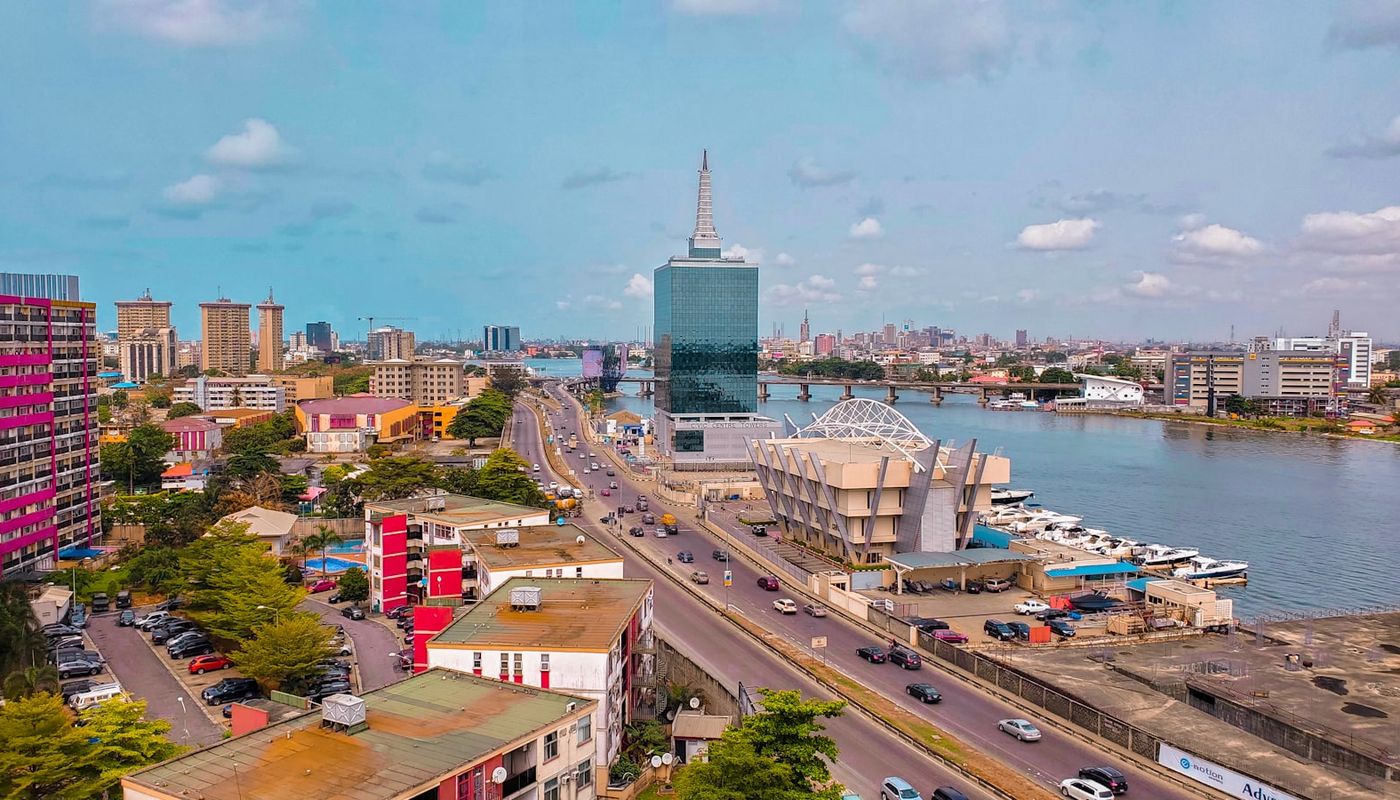
N288 Million Gone: The Abuja Property Agent Fraud That Should Alarm Every Diaspora Investor
N288 Million Gone: The Abuja Property Agent Fraud That Should Alarm Every Diaspora Investor
On April 1st, 2026, the EFCC announced the arrest of Hajia Adama Adamu, an Abuja-based property agent accused of defrauding a single complainant of N288 million. The case came through the EFCC's Ilorin Zonal Directorate after a petition by one Alhaji Tanko Yawale, who alleges he handed over the money to Adamu specifically to help with a property purchase in Abuja. The property deal, allegedly, never materialised.
N288 million. At current exchange rates, that's roughly $180,000 USD. One person. One agent. One transaction.
This case isn't unusual. It's Tuesday in Nigeria's property market.
How This Type of Fraud Actually Works
The mechanics of what allegedly happened in the Adamu case follow a recognizable pattern. A client - often a high-net-worth individual, a returnee, or a diaspora buyer - approaches an agent with a specific brief: find me a property in Abuja, handle the paperwork, help with the purchase. The agent is trusted, referred through a network, and presents themselves as well-connected.
The agent collects the funds, sometimes in tranches, sometimes in one lump sum. Early on, there's activity - viewings, meetings, documents flying around. Then delays start. Then excuses. Then silence. By the time the victim realizes the transaction was fraudulent, the agent has moved the money, the "seller" they were dealing with is untraceable, and recovering funds through Nigeria's legal system is a slow, expensive ordeal.
This is distinct from pure land title fraud where you receive a fake document. In this scenario, you don't even get a fake document. The agent acts as a middleman and simply holds your money while giving you the illusion of progress.
The Enugu Parallel: N10 Million, Same Playbook
The Abuja case wasn't the only EFCC land fraud arrest in early 2026. In March, the Commission's Enugu office apprehended one Ifeanyi Mba over an alleged N10 million land scam. The complainant paid N10 million for a parcel of land said to be at Plot 677 Owo/Premier Layout in Ogui Nike, Enugu State. When the buyer raised questions about development on the land, Mba allegedly claimed he had only then "discovered" the land belonged to the government. EFCC's preliminary investigation found no government layout by that name exists at all.
A completely fabricated address. A completely fabricated layout. N10 million gone.
Stretch that approach across hundreds of victims - as the most sophisticated land fraud operations do - and you understand why industry estimates put real estate fraud losses in Nigeria at over $4 billion annually.
Why Diaspora Investors Are the Primary Target
Fraudsters specifically seek out diaspora buyers and remote investors. The calculus is simple: someone in the United Kingdom or Canada who wants to buy property in Lagos or Abuja cannot easily do their own due diligence. They can't drive to the plot. They can't walk into the Land Registry themselves. They depend on agents, family contacts, or online platforms.
That dependency creates opportunity. A convincing agent with a well-designed website, some testimonials from fake clients, and professional-looking documents can extract significant sums before anyone realizes what happened.
The common scenarios:
The trusted referral:A family friend in your church or hometown association refers you to someone they "know." This person is convincing because the referral gives them credibility. But the referrer may themselves have been deceived, or may be complicit.
The rushed deal:"Someone else is looking at this same property, you need to act fast." Urgency is a tool. Fraud that requires fast payment is fraud that doesn't want you to verify.
The installment trap:You pay a deposit, then the first installment, then the second. By the time you've paid enough that the loss would be devastating, stopping feels harder than continuing. This is how developers selling non-existent estates extract millions over time.
The inflated agency fee:The agent says they need additional funds to "secure the title" or "help with Governor's Consent." Legitimate transaction costs exist in Nigeria, but inflated or entirely fabricated fees are a major fraud vector.
What Actually Protects You
No single step fully eliminates risk, but the combination of the following makes you a much harder target:
Never pay through an agent's personal account.Legitimate property transactions in Nigeria, especially larger ones, should involve direct payment to the developer or seller, documented clearly. An agent who insists funds must go to their personal account first is a red flag that should stop everything.
Commission an independent lawyer, not the agent's lawyer.The agent will often suggest their own lawyer. That lawyer's loyalty may not be to you. Find your own counsel and pay them independently.
Do a Land Registry search before any payment.A physical search at the relevant state Land Registry confirms whether the property exists, who holds title, and whether there are encumbrances. In Abuja, this goes through AGIS. In Lagos, through the Lagos Land Bureau. This cannot be skipped.
Verify the developer's delivery history.If you're buying an off-plan or under-construction property, the agent or developer's track record matters enormously. Have they completed previous estates? Have they delivered to buyers who paid off-plan?BektuIs a transparency platform built specifically to surface this kind of developer track record information for Nigeria. Check it before you commit to any developer.
Use video calls, not just photos.Demand a live video tour of the property or land. Insist on seeing the actual environment, surrounding plots, access roads. Fraudsters work hard to avoid this because photos and documents can be faked; a live tour of a non-existent property cannot.
On the EFCC Arrests: Necessary But Not Sufficient
The EFCC's increased activity in the real estate sector is welcome. Arrests like Adamu's and Mba's send signals to the market. But enforcement after fraud has already occurred doesn't recover your money. The N288 million Alhaji Yawale allegedly lost is not automatically returned because the agent was arrested. Criminal prosecution, if it happens, takes years. Civil recovery in Nigeria's courts takes longer.
The only real protection is prevention. That means educating yourself, building the right team of lawyers and surveyors before you invest, and insisting on verification at every step.
The Abuja market is real, the opportunities are real, and plenty of legitimate transactions happen every week. But the fraudsters are real too, and they specifically go after people who don't know what questions to ask.
Ask the questions.
Sign up to read the rest
Create a free account to keep reading. It only takes a minute.
Considering a developer you read about here?
You cannot walk the land from another country. But you can verify the developer. Bektu contacts them on your behalf and sends you a scored report. They never see who asked.
Search and verify any developerMore from Bektu
Stay a step ahead of the wire transfer
Get the occasional note from Bektu on verifying developers before you commit. No noise, just what matters.
We will never share your email. You can opt out at any time.