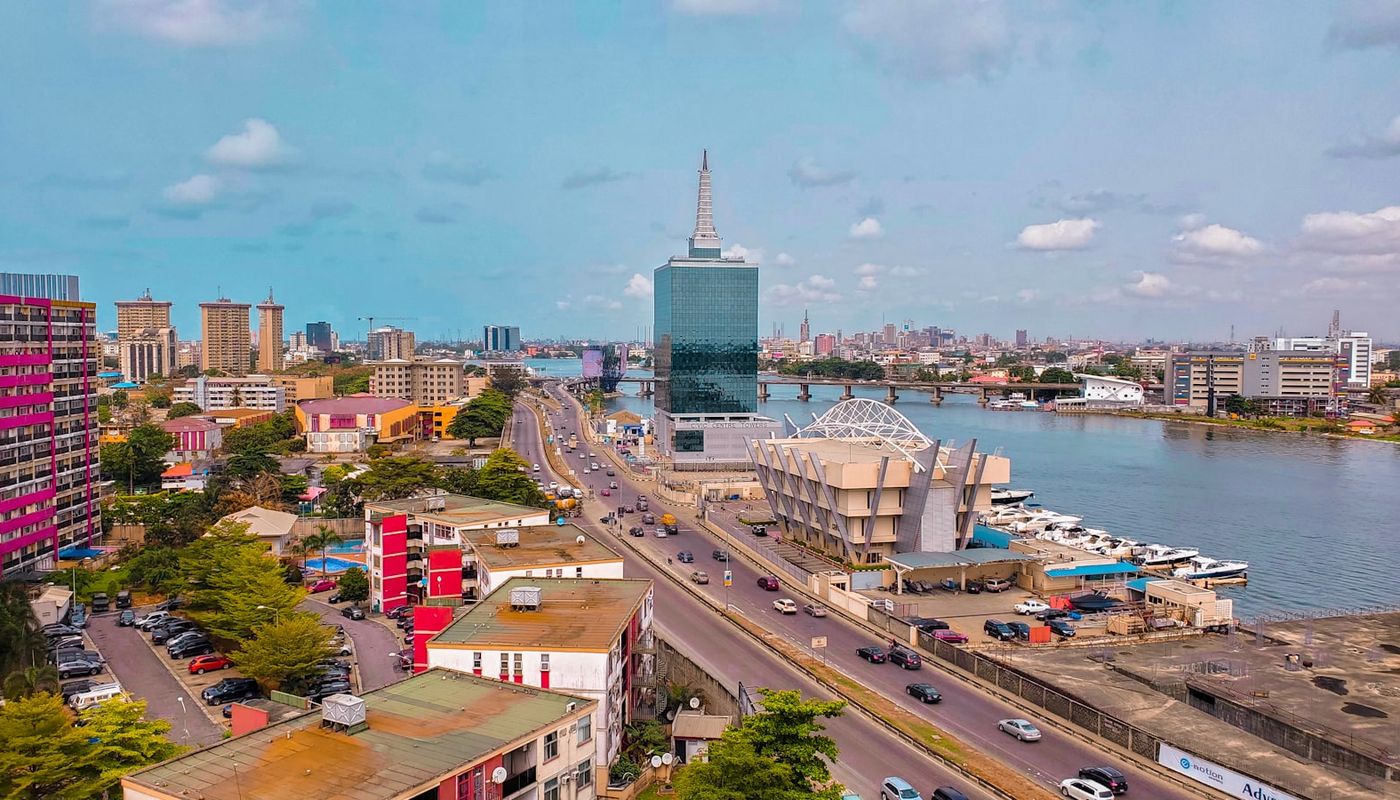
Lagos vs Abuja vs Port Harcourt: Where Should Foreign Buyers Invest in Nigerian Property in 2026?
Lagos vs Abuja vs Port Harcourt: Where Should Foreign Buyers Invest in Nigerian Property in 2026?
The right city depends on what you want from the property. Lagos gives you the deepest market and the fastest appreciation, but the messiest titles. Abuja gives you the cleanest title system in the country and steady, government-driven demand, but lower upside. Port Harcourt gives you strong rental yields at lower entry prices, with security and flooding risks you have to price in. If you are buying to grow capital, Lagos. If you are buying to hold something safe with title you can trust, Abuja. If you are chasing yield and you know the local terrain, Port Harcourt.
Here is how the three markets actually compare in 2026.
What the same property costs in each city
As of late 2025, a standard three-bedroom apartment runs around 45 million naira in Lagos, 38 million in Abuja, and 28 million in Port Harcourt. The gap widens at the top. Prime Ikoyi land trades near 3.7 million naira per square metre, against roughly 700,000 to 1.2 million naira per square metre in central Port Harcourt, and Port Harcourt residential stock overall sits 40 to 60 percent below Lagos. Ikoyi, Banana Island, and prime Lekki are quoted and negotiated in US dollars, as are Maitama and Asokoro in Abuja. Port Harcourt's premium addresses are Old and New GRA, Peter Odili Road, and gated schemes such as Golf Estate and Blue Sea Estate, where a five-bedroom bungalow in New GRA trades around 120 million naira.
Lagos: the liquidity and appreciation play
Lagos is the commercial capital and the most liquid property market in Nigeria. Demand is relentless because the urban population keeps expanding, and the Lekki-Epe corridor remains the centre of new high-end supply. Prices in high-demand areas are projected to rise between 15 and 30 percent through the end of 2026, with the Lekki corridor and coastal-highway-adjacent areas tracking toward the upper end of that range.
The single biggest price driver right now is the Lagos-Calabar Coastal Highway. Areas within five kilometres of the newly opened sections have already seen 25 to 40 percent jumps. That kind of infrastructure-led appreciation is the reason foreign buyers gravitate to Lagos, but it also pulls in speculators and land grabbers.
The first 47-kilometre section of that highway opened to traffic in December 2025. Further east, the Ibeju-Lekki corridor has seen land appreciate 30 to 45 percent a year on the strength of three anchor projects, the Dangote Refinery, the Lekki Deep Sea Port, and the Lekki Free Trade Zone. Those are land speculation numbers rather than stable residential growth, and the same corridor is where customary family land is still transitioning to documented title, which is exactly where double allocations and omo onile disputes concentrate.
The trade-off is title risk. Lagos has the highest concentration of land disputes in the country: the Omonile (family land grabber) problem, double allocations, and parcels sold without proper excision are all most common here. Much of the desirable land along the Lekki axis is community or family land that may or may not have been formally excised and gazetted by the state. A foreign buyer who does not verify excision status and registered survey coordinates is exposed. Stick to developments with a registered Certificate of Occupancy or a clear, gazetted title, and confirm the plot against the survey plan filed at the Lagos State land registry before any money moves.
Developers active in this market include Mixta Nigeria (Lakowe Lakes and Beechwood Park on the Lekki-Epe axis), LandWey, Megamound, and Grenadines Homes. Apartments inside secure, well-managed estates tend to appreciate faster than standalone houses because buyers pay a premium for reliable power, water, and security.
Abuja: the title-clarity and stability play
Abuja is the Federal Capital Territory, and land there is administered centrally through the Federal Capital Development Authority and the Abuja Geographic Information Systems (AGIS) rather than through the patchwork of community and family claims you find in Lagos. That structure makes Abuja the easiest place in Nigeria to verify what you are buying. Titles run through the FCT system, AGIS holds the geospatial records, and the prevalence of pure family-land grabbing is far lower.
Growth is steadier and lower than Lagos. Katampe Extension and Jabi are expected to see 15 to 20 percent appreciation, while established intermediate neighbourhoods like Gwarinpa, Lugbe, and Kubwa rise more modestly at 8 to 10 percent a year. Demand is anchored by government, diplomatic, and corporate tenants, which makes the rental market stable even when the wider economy wobbles.
Abuja also has the deepest bench of large, institutional developers. Brains and Hammers has delivered well over 11,000 homes and builds at city scale, including the 72-hectare Brains and Hammers City in Life Camp. Cosgrove Investment Limited built Nigeria's first smart estate in Wuye. Urban Shelter has operated since 1991, and Mshel Homes runs more than 60 estates across Abuja and beyond. For a foreign buyer who values a verifiable delivery record over maximum upside, Abuja is the logical choice.
Port Harcourt: the yield play with risk attached
Port Harcourt is the centre of the oil and gas economy, and that shapes its property market. Houses average around 55 million naira, with a working range of roughly 30 to 80 million depending on the neighbourhood and build quality, which puts entry prices below comparable Lagos and Abuja estates. Premium estates are projected to appreciate 12 to 18 percent in 2026.
The draw is yield. Expatriate and corporate demand tied to the energy sector supports strong rents relative to purchase prices, especially in secure serviced estates. The risks are specific and real: parts of the city and surrounding Rivers State are flood-prone, security varies sharply by area, and the market is thinner, so reselling can take longer than in Lagos. This is a market where local knowledge matters more than anywhere else. A foreign buyer should not enter Port Harcourt without a trusted local professional and a hard look at the drainage and security profile of the exact street, not just the estate.
On gross yield, Port Harcourt runs around 6 to 8 percent and Abuja roughly 5 to 8 percent with a corporate and diplomatic tenant base that defaults less and stays longer. Model on net rather than gross wherever you buy: in Lagos, service charges, agency fees, and void periods pull realistic net yields down to around 2.5 to 3.5 percent.
How to choose
Match the city to your objective. For capital growth and an easy exit later, Lagos wins, provided you do the title work. For a safe, verifiable asset with stable tenants, Abuja is the cleanest market in the country. For rental income at a lower entry price, Port Harcourt can outperform, but only if you understand the local risks.
Costs, taxes, and the rule for non-Nigerians
Closing costs in Lagos run 8 to 15 percent of the purchase price, with roughly 4 to 8 percent of that going to government perfection items. Stamp duty is 2 percent of value in Lagos and 1.5 percent in most other states including Rivers and the FCT. Lagos owners also pay an annual Land Use Charge, discounted for early payment. The Nigeria Tax Act 2025 brought capital gains on property fully into scope, and in Lagos the capital gains tax receipt now has to be attached to the governor's consent application, so the tax and the title perfection sit in the same file.
Non-Nigerians face an extra layer. Under Lagos State's Acquisition of Lands by Aliens Law, a foreign national needs the governor's approval to acquire land, and the term granted will not exceed 25 years including renewals. Nigerians in the diaspora who still hold citizenship are not aliens for this purpose and buy on the same footing as resident citizens.
Whichever city you pick, the deciding factor is the developer, not the brochure. Before you commit to any project, check the developer's actual delivery history: have they handed over completed estates on time, do their past buyers have clean titles, and is the company properly registered. Platforms like Bektu (https://bektu.com) exist to let you verify a developer's track record before you transfer money, which matters far more when you are buying from abroad and cannot walk the site yourself.
Sources
- Nigeria Real Estate Price Forecast 2026
- Property Price Forecasts Nigeria (2026), The Africanvestor
- Nigeria Real Estate Forecast 2026: Top 5 Trends
- Nigeria Real Estate Price Comparison: Lagos, Abuja, Port Harcourt
- Top 10 Developers in Lagos, Estate Intel
Sign up to read the rest
Create a free account to keep reading. It only takes a minute.
Developers referenced
- Mixta Nigeria Lagos, Nigeria
- LandWey Lagos, Nigeria
- Megamound Lagos, Nigeria
- Grenadines Homes Lagos, Nigeria
- Brains and Hammers Abuja, Nigeria
- Cosgrove Investment Limited Abuja, Nigeria
- Urban Shelter Limited Abuja, Nigeria
- Mshel Homes Abuja, Nigeria
Thinking about Mixta Nigeria?
You cannot walk the land from another country. But you can verify the developer. Bektu contacts them on your behalf and sends you a scored report. They never see who asked.
Verify Mixta Nigeria anonymouslyThinking about LandWey?
You cannot walk the land from another country. But you can verify the developer. Bektu contacts them on your behalf and sends you a scored report. They never see who asked.
Verify LandWey anonymouslyThinking about Megamound?
You cannot walk the land from another country. But you can verify the developer. Bektu contacts them on your behalf and sends you a scored report. They never see who asked.
Verify Megamound anonymouslyThinking about Grenadines Homes?
You cannot walk the land from another country. But you can verify the developer. Bektu contacts them on your behalf and sends you a scored report. They never see who asked.
Verify Grenadines Homes anonymouslyThinking about Brains and Hammers?
You cannot walk the land from another country. But you can verify the developer. Bektu contacts them on your behalf and sends you a scored report. They never see who asked.
Verify Brains and Hammers anonymouslyThinking about Cosgrove Investment Limited?
You cannot walk the land from another country. But you can verify the developer. Bektu contacts them on your behalf and sends you a scored report. They never see who asked.
Verify Cosgrove Investment Limited anonymouslyThinking about Urban Shelter Limited?
You cannot walk the land from another country. But you can verify the developer. Bektu contacts them on your behalf and sends you a scored report. They never see who asked.
Verify Urban Shelter Limited anonymouslyThinking about Mshel Homes?
You cannot walk the land from another country. But you can verify the developer. Bektu contacts them on your behalf and sends you a scored report. They never see who asked.
Verify Mshel Homes anonymouslyMore from Bektu
Stay a step ahead of the wire transfer
Get the occasional note from Bektu on verifying developers before you commit. No noise, just what matters.
We will never share your email. You can opt out at any time.