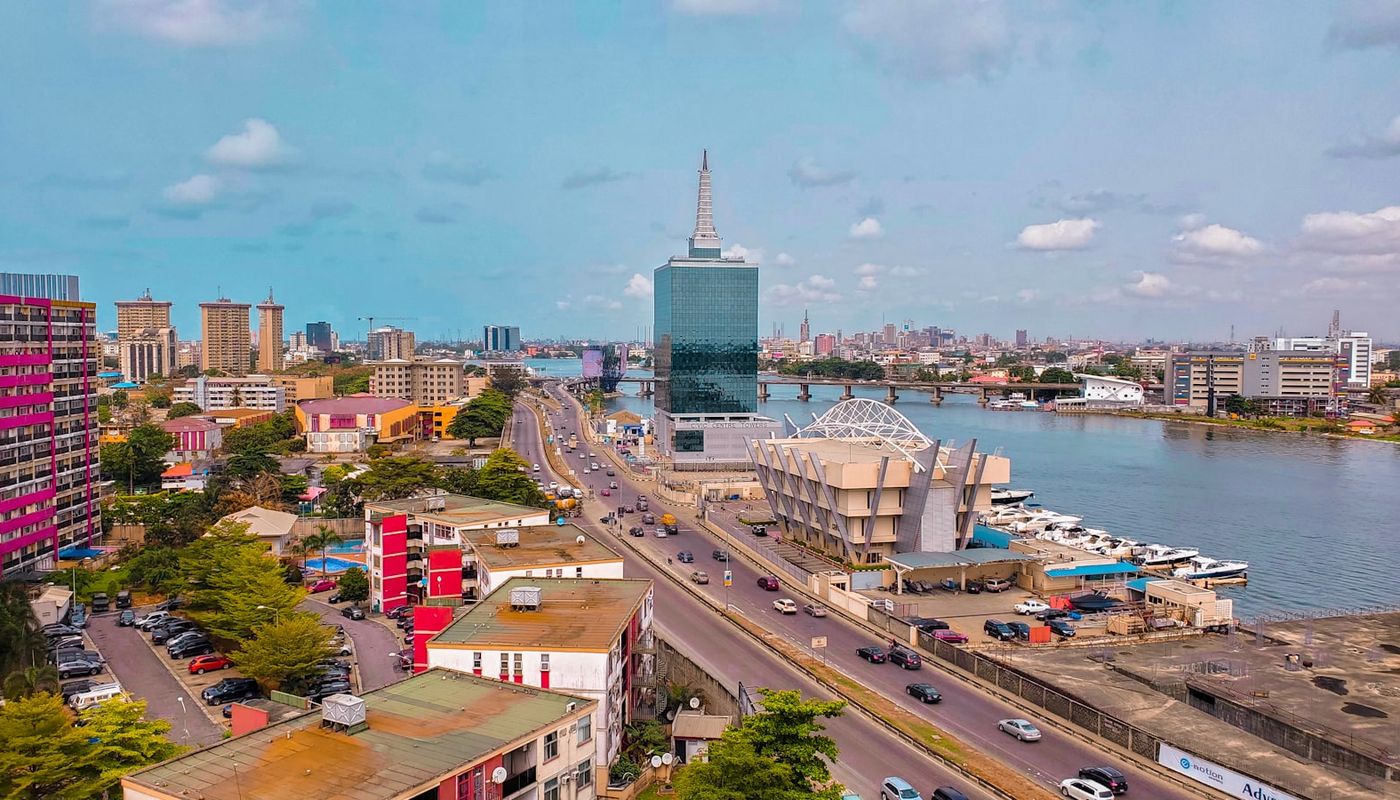
Lagos vs Abuja vs Port Harcourt: Where Diaspora Buyers Should Invest in 2026
The short answer
Buy in Lagos for cash flow and capital growth, Abuja for stability and clean title, Port Harcourt for entry price and yield if you understand the local risk. These three cities behave like three different markets, and a diaspora buyer who treats them as interchangeable usually overpays in one and misjudges the risk in another.
Here is how they actually compare in 2026.
Price levels and what your money buys
As of late 2025, a standard three-bedroom apartment runs around ₦45 million in Lagos, ₦38 million in Abuja, and ₦28 million in Port Harcourt. The gap widens fast at the top. Prime Ikoyi, Banana Island, and the Lekki corridor in Lagos are quoted and negotiated in US dollars, while Maitama and Asokoro in Abuja sit in the same luxury bracket. Port Harcourt's premium addresses, Old and New GRA, Peter Odili Road, and gated estates like Golf Estate and Blue Sea Estate, remain well below Lagos and Abuja for comparable build quality. A five-bedroom bungalow in New GRA Port Harcourt trades around ₦120 million, which buys far less house in Ikoyi.
Capital growth
Lagos led on appreciation through the last cycle. Prices rose roughly 18 percent in naira terms between January 2025 and January 2026, with mainland areas closer to 12 percent and sought-after Lekki corridors as high as 25 percent. The single biggest driver is infrastructure. The Lagos-Calabar Coastal Highway opened its first 47-kilometre section to traffic in December 2025, and properties within five kilometres of the route are already carrying 25 to 40 percent price premiums. If you are buying for appreciation, proximity to confirmed infrastructure is doing more work than the neighbourhood name.
Abuja is slower and steadier. The city has posted 8 to 10 percent annual growth for several years, with higher-growth districts like Katampe, Dakibiyu, and Kaura running 13 to 18 percent. Port Harcourt's premium estates are projected to grow 12 to 18 percent in 2026, but that number sits on top of a thinner, more volatile transaction base.
Rental yield
Lagos earns its reputation as the cash-flow market. Gross yields commonly land between 6 and 10 percent on standard leases, and well-run short-lets in Lekki and Victoria Island can push far higher. After service charges, agency fees, and void periods, realistic net yields settle closer to 2.5 to 3.5 percent, so model on net, not gross. Abuja yields are lower, roughly 5 to 8 percent gross, but the tenant base skews corporate and high-net-worth, which means fewer defaults and longer tenancies. For a diaspora owner who cannot chase rent in person, that reliability has real value. Port Harcourt can match or beat Abuja on gross yield in the right estate, but oil-sector exposure makes occupancy and rent levels move with the energy cycle.
Title risk, the deciding factor for absentee buyers
This is where the cities diverge most, and it matters more than yield if you are buying from abroad. Abuja runs a centralised land regime through the Federal Capital Territory administration and the Abuja Geographic Information Systems (AGIS) digital cadastre. One authority, one database, far fewer competing claims. Lagos has a deeper and more liquid market but a more fragmented title landscape, with family land, omonile claims, and excision disputes that demand a proper registry search before any payment. Port Harcourt carries the most idiosyncratic local-claim risk of the three. The practical rule: the cheaper and faster a Port Harcourt or Lagos deal looks, the harder you verify before you wire anything.
Who should buy where
If you want maximum appreciation and rental income and you can fund proper due diligence, Lagos rewards you, especially anything tied to confirmed transport infrastructure. If you want a clean title, predictable tenants, and lower stress as an absentee owner, Abuja is the better fit even at lower yields. If you have local knowledge or trusted representation in Rivers State and you want a lower entry price with competitive yield, Port Harcourt works, but it is the least forgiving market for an outsider buying blind.
Whichever city you choose, the developer matters as much as the location. Before committing to any off-plan or estate purchase, check the developer's actual delivery history. Platforms like Bektu exist to let buyers verify whether a developer has finished what it promised before, which is the cheapest insurance you can buy in any of these three markets.
Diaspora capital now accounts for as much as 70 percent of inflows into Nigeria's premium residential segment. That weight of money is exactly why prices in the best corridors are firm and why the verification step is not optional.
Sources
- Lagos property market consolidates, eyes infrastructure-led growth (The Guardian Nigeria)
- Property Price Forecasts Nigeria 2026 (The Africanvestor)
- Abuja Real Estate Market Analysis 2026 (The Africanvestor)
- Nigeria Real Estate Price Comparison: Lagos, Abuja, Port Harcourt, Ibadan (Jarnias Cyril)
- Lagos: Rental Yields for Apartments 2026 (The Africanvestor)
- Average Price of Houses for Sale in Port Harcourt (Nigeria Property Centre)
- Lagos vs Abuja Real Estate: Where Is The Best Place To Invest? (Naija Trusted Realtor)
Sign up to read the rest
Create a free account to keep reading. It only takes a minute.
Considering a developer you read about here?
You cannot walk the land from another country. But you can verify the developer. Bektu contacts them on your behalf and sends you a scored report. They never see who asked.
Search and verify any developerMore from Bektu

Stay a step ahead of the wire transfer
Get the occasional note from Bektu on verifying developers before you commit. No noise, just what matters.
We will never share your email. You can opt out at any time.