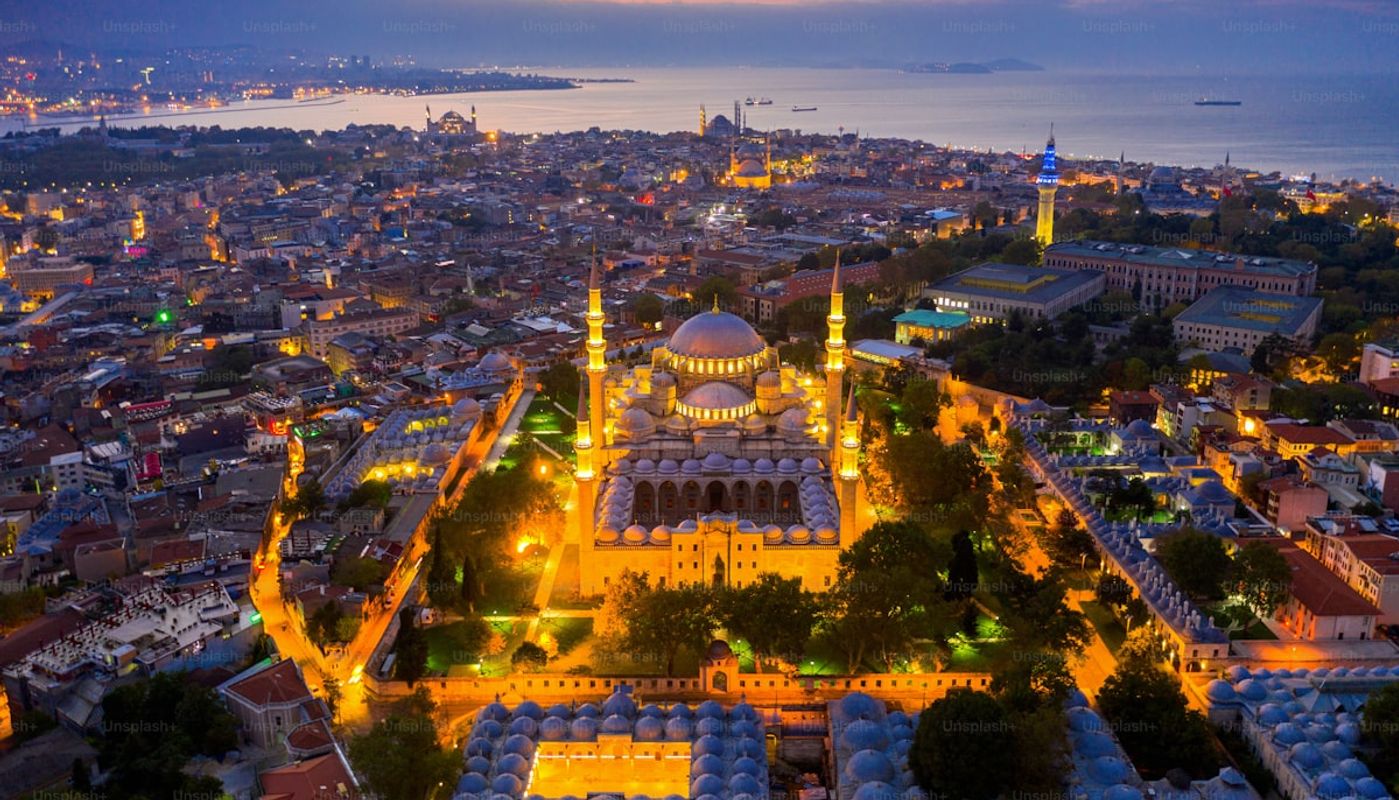
Istanbul vs Antalya vs Bodrum: Where Foreign Buyers Are Going in Turkey in 2026
Istanbul vs Antalya vs Bodrum: Where Foreign Buyers Are Going in Turkey in 2026
Three Turkish markets dominate foreign property purchases. Istanbul leads on absolute volume. Antalya leads on value-for-money and short-term rental yield. Bodrum leads on luxury coastal pricing and high-net-worth concentration. They behave differently across rental yield, capital appreciation, currency exposure, and the buyer profiles they attract.
This piece compares the three for foreign buyers in 2026, with specific attention to price levels, yield expectations, and the structural risks that matter when committing dollar or euro capital to a Turkish lira-denominated market.
Foreign Buyer Volume
Istanbul attracts the largest absolute share of foreign property purchases in Turkey, with industry data citing roughly 95,000 foreign property purchases as of September 2025. Antalya is the clear second at approximately 78,000 foreign purchases. Bodrum, Fethiye, and Izmir together form a smaller premium segment dominated by villa and luxury apartment buyers.
The buyer mix differs sharply by city. Istanbul attracts a global cross-section: Russian, Iranian, Iraqi, Saudi, Egyptian, Chinese, and European buyers, with the largest single nationality groups varying by year. Antalya is heavily Russian, German, and Scandinavian, with Antalya's beachfront, Mediterranean climate, and direct flights from Eastern Europe driving the demand. Bodrum is more concentrated among British, German, Dutch, and Middle Eastern luxury buyers, with a meaningful share of Turkish diaspora returning capital.
Price Levels
Istanbul citywide averages around USD 1,630 per square meter as of late 2025, but the spread is enormous. Premium districts such as Etiler, Levent, and the Bosphorus-front neighborhoods of Bebek, Arnavutköy, and Yeniköy comfortably exceed USD 3,000 to 5,000 per square meter, with trophy properties trading well above USD 10,000. Outer districts such as Esenyurt or Beylikdüzü can be acquired at USD 800 to 1,200 per square meter, which is where most citizenship-by-investment buyers concentrate.
Antalya averages around USD 1,200 per square meter as of Q1 2025, with the prestigious districts of Konyaaltı and Lara running 30 to 60 percent above the citywide average. Antalya's main appeal for foreign buyers is the combination of coastal location, low entry price, and a deep short-term rental market driven by tourism.
Bodrum is the most expensive of the three at an average of USD 2,825 per square meter as of October 2025. Premium villa locations in Yalıkavak, Türkbükü, and Gümüşlük command much higher prices, with sea-view villas commonly trading at USD 4,000 to 8,000 per square meter on the finished area.
Coastal markets, including Antalya and Bodrum, saw price growth exceeding 25 percent in 2025 in Turkish lira terms, though Turkish lira inflation and currency depreciation mean dollar-denominated returns were substantially lower.
Rental Yield Profile
Istanbul yields range 4.5 to 6 percent gross in well-located rental properties. Long-term residential tenants in districts like Şişli, Kadıköy, and Beşiktaş sign 12-month leases at relatively predictable rates. Premium short-term rental properties in the historic peninsula, Galata, and Beyoğlu can reach 7 to 10 percent gross yield but require active management and increasingly face short-term-rental licensing restrictions.
Antalya yields are the most attractive of the three for active operators. Konyaaltı, Lara, and Belek properties operated as short-term rentals during the long tourist season (April through October) regularly achieve 6 to 9 percent gross annualized yield. Long-term rentals to Russian and German residents typically yield 5 to 7 percent. The combination of a long tourist season, low capex per unit, and an established rental management ecosystem makes Antalya the volume play for yield-focused foreign buyers.
Bodrum yields are seasonally compressed. The tourist season is shorter (May through September is the bulk of demand) and most properties sit substantially empty in the off-season. Annualized yields on luxury Bodrum villas typically land at 4 to 6 percent gross. The investment case is less about yield and more about capital appreciation and personal use of a high-amenity asset.
Currency and Macro Exposure
This is the variable that catches most foreign buyers off guard. Turkish lira inflation has run substantially higher than dollar or euro inflation for most of the last decade. Nominal Turkish lira property price growth of 25 to 30 percent per year, which looks impressive in TRY, has frequently translated to single-digit or even negative growth in USD or EUR terms once exchange rate effects are netted out.
Rental income paid in Turkish lira faces the same problem. A foreign buyer earning 7 percent gross yield in TRY may earn substantially less than 7 percent in dollar terms by the time the rent is collected, expenses are paid, and net proceeds are converted.
Some operators offer leases denominated in dollars or euros, particularly in Antalya tourist rental markets, which transfers the currency risk to the tenant. These leases are legal but increasingly subject to regulatory scrutiny and renegotiation pressure. Buyers relying on dollar-denominated leases should understand they are not guaranteed.
The Turkish economy has stabilized somewhat in 2025 and 2026 under tighter monetary policy, but the long-run track record is the relevant baseline for buyers planning multi-year holds.
Citizenship by Investment Distortion
Istanbul has the highest concentration of citizenship-by-investment buyers, particularly in newer developments in districts like Bahçeşehir, Esenyurt, Başakşehir, and Beylikdüzü. Many of these buildings are priced at a citizenship premium of 20 to 50 percent above what a non-citizenship buyer would pay for comparable units. A buyer not pursuing citizenship who buys in a citizenship-targeted building is overpaying.
Antalya has citizenship pricing distortion but at smaller scale. Most Antalya buyers are purchasing for lifestyle and yield rather than the passport, and pricing more closely tracks the underlying market.
Bodrum has minimal citizenship pricing distortion because the typical Bodrum buyer is well above the USD 400,000 threshold and is paying market rates for luxury.
For non-citizenship buyers, this means Antalya and Bodrum tend to produce more honest pricing per square meter, while Istanbul rewards careful selection of building and district.
Specific Trade-offs
A buyer focused on rental yield, with a willingness to actively manage or hire a professional manager, who can tolerate Turkish lira currency exposure: Antalya in Konyaaltı or Lara, operated as a seasonal short-term rental.
A buyer focused on capital appreciation in a global gateway city, comfortable with a long hold and able to be selective on micro-location: Istanbul, with focus on Bosphorus-adjacent or established central districts (Şişli, Beşiktaş, Kadıköy) rather than citizenship-targeted suburban developments.
A buyer focused on lifestyle, with luxury budget and acceptance of seasonal occupancy: Bodrum, particularly Yalıkavak or Türkbükü, paying market rates for finished villas with sea view.
A buyer pursuing Turkish citizenship as the primary goal: Istanbul citizenship-targeted developments offer the lowest absolute entry price (USD 400,000 thresholds are easier to assemble) but the highest pricing premium versus open-market value. Comparison shopping against non-citizenship Istanbul units in the same district is essential.
Practical Closing Notes
Title transfer in all three cities is administered through the Land Registry Directorate (Tapu Müdürlüğü) and uses the same federal procedures. Closing timelines are similar: 30 to 60 days from accepted offer with reasonably organized documentation.
The Capital Markets Board (SPK) appraisal requirement for citizenship buyers applies in all three cities. Non-citizenship buyers are not required to obtain SPK appraisals but typically benefit from doing so as an independent valuation reference.
Verification of a developer's actual delivery record and financial standing is more useful than brochure-level diligence. Platforms like Bektu track Turkish developer delivery histories and reported buyer disputes, which helps separate the names with consistent records from those that have rotated through bankruptcies or branded re-launches.
Sources
- Turkey Property Market Trends 2025 (Deal TR)
- Turkey Real Estate Investment Guide for Foreign Buyers (Global Citizen Solutions)
- Where Do Foreigners Buy Property in Turkey? (Investropa)
- Best Places to Buy Property in Turkey 2025 (Evim Istanbul)
- Is Antalya Better Than Bodrum for Property Turkey? (Investropa)
- Property Market in Turkey 2025-2026 Analysis (Property Finder BG)
Sign up to read the rest
Create a free account to keep reading. It only takes a minute.
Considering a developer you read about here?
You cannot walk the land from another country. But you can verify the developer. Bektu contacts them on your behalf and sends you a scored report. They never see who asked.
Search and verify any developerMore from Bektu


Stay a step ahead of the wire transfer
Get the occasional note from Bektu on verifying developers before you commit. No noise, just what matters.
We will never share your email. You can opt out at any time.