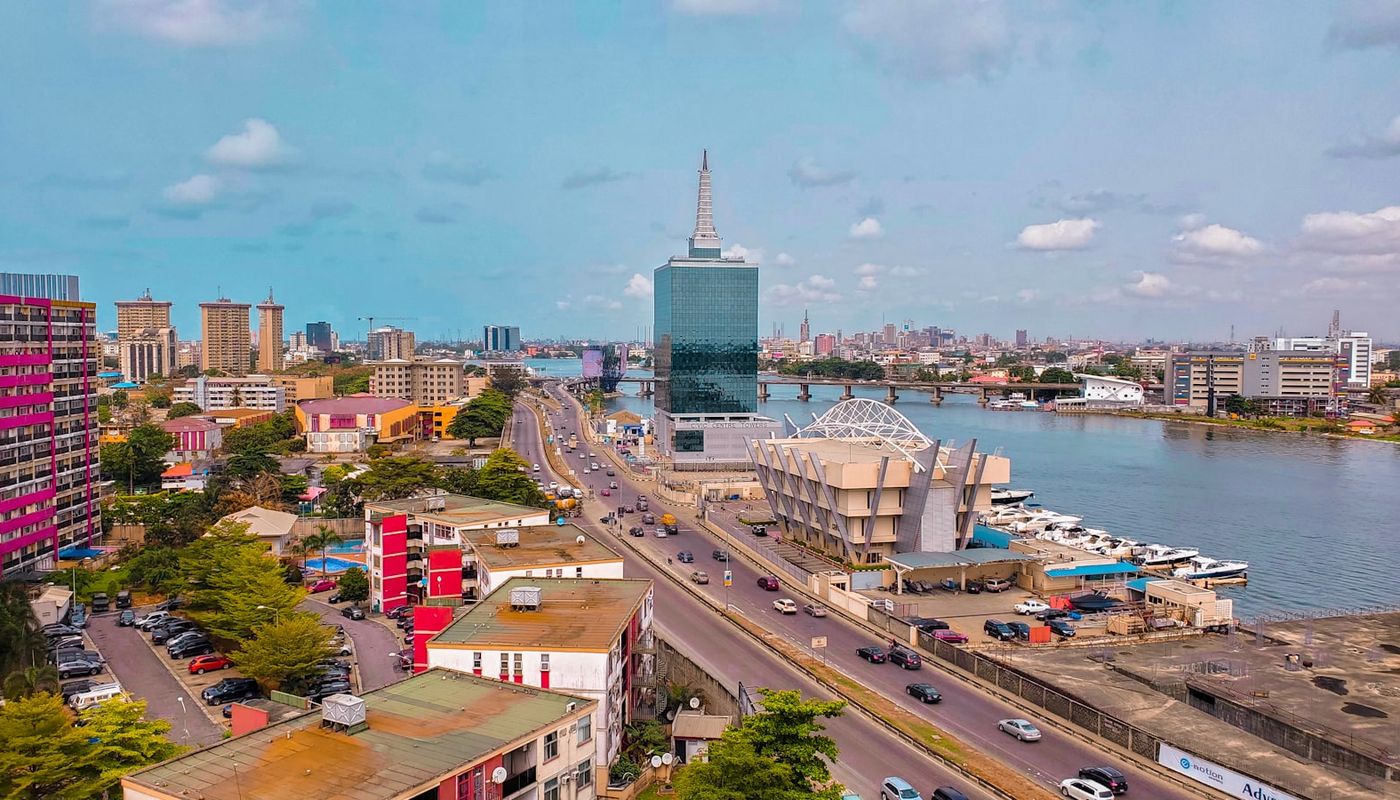
Diaspora Money Is Pouring Into Nigerian Property in 2026 — Don't Let Yours Get Swallowed
Remittances into Nigeria hit $23 billion in 2025. A significant chunk of that is going into real estate - land purchases, off-plan apartments, short-let investments in Lagos and Abuja, retirement homes being built ahead of schedule. The diaspora has become the most important capital source in the Nigerian property market, and developers know it.
Which is why 2026 is also shaping up to be a peak year for diaspora-targeted property fraud.
The Numbers That Matter
Diaspora capital in Nigerian real estate is expected to increase by 20 - 30% in 2026 compared to 2025. That's on the back of a relatively stronger naira, easing inflation, and a growing sense among Nigerians in the UK, US, Canada, and Europe that now might be the right time to lock in property before prices climb further.
Between January and July 2025, estimated losses to real estate scams across Nigeria reached ₦16.2 billion. Lagos accounted for the largest share. And those are only the reported cases - the EFCC and LASRERA data captures a fraction of what actually happens, because many victims don't report fraud for fear of embarrassment or because they don't know which agency to contact.
When more diaspora money flows in, more fraudsters position themselves to intercept it. That's the uncomfortable reality of 2026.
Why Diaspora Buyers Are the Primary Target
Think about the profile: someone living in London or Houston, earning in pounds or dollars, with family members back home who can "help manage things," and a strong emotional connection to building something permanent in Nigeria. They often can't travel frequently to supervise. They rely on agents, family members, or developers to handle the day-to-day.
This combination - foreign currency, remote management, emotional investment, limited on-ground oversight - is exactly what bad actors look for. The fraudulent agent or developer doesn't need to fool you for long. They just need to collect enough tranches before you realise nothing is being built.
The ₦288 million Abuja case from April 2026 involved exactly this: a house agent who collected funds from a buyer under the pretext of facilitating a property purchase. No property. No accountability until the EFCC got involved.
What's Changed in the Market (For Better and Worse)
There are genuine positives. Lagos and several other states are digitising their land registry systems, reducing - though not eliminating - the ability to forge title documents. The EFCC is more actively prosecuting real estate fraud than it was five years ago. LASRERA has been issuing more sanctions against unregistered agents.
At the same time, the macro environment creates new pressures. Construction costs in Nigeria have risen sharply since 2023. Developers who sold units at 2022 prices are delivering in 2026 with higher build costs. Some handle this honestly and absorb the loss or renegotiate transparently. Others simply stop communicating. And some use the economics as cover for what was never a legitimate project.
The FCTA's land use compliance enforcement that began in March 2026 has also injected uncertainty into parts of the Abuja market - properties with irregular occupancy permits face revocation risk, which is making some buyers nervous and some title chains messier than they appeared.
The 2026 Opportunity Is Real, But So Is the Risk
None of this means you shouldn't be investing in Nigerian real estate in 2026. Ikoyi, Victoria Island, and Banana Island in Lagos are holding value and appreciating modestly. Well-located land in Abuja's growth corridors is a legitimate long-term hold. The short-let market in Lagos remains strong, with yields that outperform what you'd get parking the same money in a UK current account.
The opportunity is real. What's required is verification - not hope.
Before sending any money to a Nigerian developer, use every tool available to you. Hire a property lawyer who isn't recommended by the developer. Run the developer's name throughBektu, which specifically tracks developer delivery history in Nigeria - whether they completed previous projects, whether buyers received their documentation, whether there are outstanding complaints. This is the kind of check that takes 10 minutes and can save you from losing ₦20 million or more.
Talk to previous buyers. Join Nigerian property investor groups online and ask direct questions: "Has anyone dealt with [Developer]? Did they deliver?" The community knows things that aren't in any newspaper.
And be honest with yourself about what you don't know. You can't supervise a Lagos construction site from Manchester. That's not a failing - it's a fact. Build that limitation into your process: more documentation, more verification, more people whose interests are aligned with yours (not the developer's) keeping eyes on things.
The Developers Who Deserve Your Trust
They exist. Nigeria has legitimate developers who have delivered hundreds of units, handed over C of Os on time, and built communities that look like their brochures. These developers tend to welcome scrutiny because their track record speaks for itself.
If a developer is evasive about their previous projects, can't point you to past buyers who'll vouch for them, or gets defensive when you ask for references - that tells you something. Legitimate developers in 2026 understand that diaspora buyers want proof, and they're prepared to provide it.
Your ₦20 million, ₦50 million, or ₦100 million deserves the same level of scrutiny you'd apply to any investment of that size. Nigeria's property market can deliver real returns. But it won't protect your money on its own. You have to do that part yourself.
Sign up to read the rest
Create a free account to keep reading. It only takes a minute.
Considering a developer you read about here?
You cannot walk the land from another country. But you can verify the developer. Bektu contacts them on your behalf and sends you a scored report. They never see who asked.
Search and verify any developerMore from Bektu
Stay a step ahead of the wire transfer
Get the occasional note from Bektu on verifying developers before you commit. No noise, just what matters.
We will never share your email. You can opt out at any time.