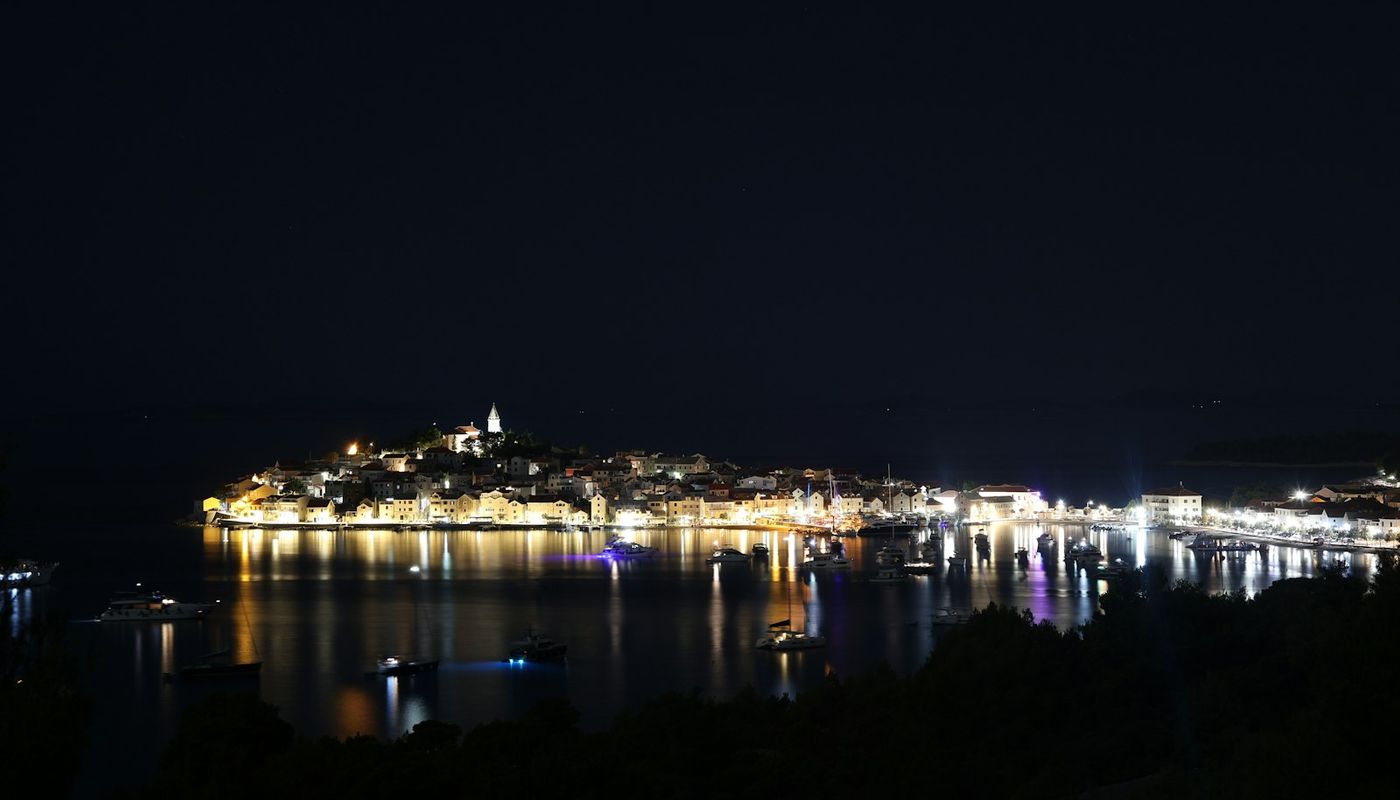
Croatia Real Estate FAQ for Foreign Buyers: 25 Questions Answered
Croatia is one of the few Mediterranean countries where the rules for foreign buyers depend heavily on your passport. An EU citizen buys an apartment in Split almost exactly like a Croatian does. A non-EU citizen buying the same apartment may need formal consent from a government ministry before the property can be registered in their name. This FAQ answers the questions foreign buyers ask most often, with the laws, taxes, and timelines that actually apply in 2026.
Can foreigners buy property in Croatia?
Yes, foreigners can buy property in Croatia, but the conditions depend on nationality. Citizens of the EU, the EEA (Iceland, Liechtenstein, Norway), and Switzerland buy residential property and building land under the same conditions as Croatian citizens. Citizens of other countries (third-country nationals) can buy only if their home country has reciprocity with Croatia and, in most cases, only after the Ministry of Justice and Public Administration grants written consent.
Do American citizens need special permission to buy in Croatia?
US citizens can buy property in Croatia because the United States and Croatia maintain reciprocity, but they generally need consent from the Ministry of Justice and Public Administration before the title is registered. The application is filed after the purchase contract is signed, and the property cannot be registered in your name until consent is issued. Many buyers from outside the EU instead set up a Croatian limited company to avoid this step.
What is the reciprocity rule in Croatia?
Reciprocity means Croatia allows citizens of a foreign country to buy property only if that country allows Croatian citizens to buy property on its territory. The Ministry of Justice and Public Administration maintains the list of countries that satisfy reciprocity. Without it, a third-country national cannot acquire ownership directly, and any contract that tries to transfer title is legally void.
How long does Ministry of Justice consent take in Croatia?
Ministry of Justice and Public Administration consent for a third-country buyer typically takes about 2 to 6 months. During this period the buyer usually pays the price into a notary or lawyer escrow arrangement and the seller cannot be paid in full until approval comes through. If consent is refused, the contract is void and the deposit arrangements in the contract determine what happens to your money.
Can a foreigner buy property in Croatia through a company?
Yes, and it is the most common workaround for non-EU buyers. A Croatian limited liability company (društvo s ograničenom odgovornošću, or d.o.o.) is treated as a domestic legal person, so it can buy property, including most agricultural land, without reciprocity checks or Ministry consent. The trade-off is the cost of forming and running the company, annual accounting, and corporate tax on any rental profit.
Can foreigners buy land in Croatia?
Foreigners can buy building land (land zoned for construction) under the same nationality rules that apply to apartments and houses. Agricultural land and forest land are different. Direct purchase of agricultural land by foreign individuals is heavily restricted, and the usual route is to buy through a Croatian company or to lease the land long term instead.
What is an OIB and do I need one to buy property in Croatia?
An OIB is the Croatian personal identification number, and you cannot buy property without one. No notary will certify a sale contract and no land registry will register your ownership without a valid OIB for both buyer and seller. Foreigners apply at the Tax Administration (Porezna uprava), which is required to issue the number on a priority basis within about 8 days.
What taxes do I pay when buying property in Croatia?
You pay either 3% real estate transfer tax or 25% VAT, but not both. The 3% real estate transfer tax applies to resale (second-hand) properties and is paid by the buyer. If you buy a newly built property directly from a developer registered for VAT, the price already includes 25% VAT and the 3% transfer tax does not apply.
How much is property transfer tax in Croatia?
Croatia's real estate transfer tax is 3% of the market value of the property, paid by the buyer. The tax is reported to the Tax Administration after the contract is signed, and the assessed market value can differ from the contract price if the tax office considers the declared price too low. The same 3% rate applies regardless of the buyer's nationality.
Is there capital gains tax when I sell property in Croatia?
Yes, but there is a common exemption. If you sell within 2 years of buying, you pay capital gains tax of 24% on the profit. If you have owned the property for more than 2 years, or you lived in it as your registered residence, the gain is generally exempt. This 2-year rule is the single most important number for anyone buying as a short-term investment.
Does Croatia have a golden visa or residence-by-investment program?
No, Croatia does not have a golden visa. As an EU and Schengen member, Croatia does not sell residence permits in exchange for property purchases. Buying a home does not by itself grant residency, and non-EU owners still need a separate legal basis (such as work, family, or a digital nomad permit) to live in Croatia beyond the 90-day visa-free limit.
Can buying property in Croatia get me residency?
Owning property in Croatia does not automatically give you the right to live there. Property ownership can support certain temporary stay applications, but it is not a standalone residence route the way it is in some non-EU countries. Croatia does offer a digital nomad temporary stay permit, which is a separate program with its own income and documentation requirements.
Is Croatia in the EU and does it use the euro?
Yes, Croatia joined the EU in July 2013, adopted the euro on 1 January 2023, and entered the Schengen area on the same date. This means prices are quoted in euros, there are no internal border controls with most of the EU, and EU buyers enjoy the same property rights as locals. It also means Croatia cannot offer the investor-residency schemes common in non-EU Balkan states.
How much does property cost in Croatia in 2026?
Croatia's national average is roughly 2,900 euros per square meter as of early 2026, but the coast costs far more. Apartments in central and southern Dalmatia, including Split and the islands, commonly run 5,000 to 7,000 euros per square meter, and prime Dubrovnik sells well above that. Inland regions and continental Croatia, away from the Adriatic, remain considerably cheaper.
What are the steps to buy property in Croatia?
The process runs through seven main steps: obtain an OIB, sign a preliminary contract and pay a deposit, complete due diligence on the title, sign the final contract certified by a notary, apply for Ministry consent if you are a non-EU buyer, pay the price and the 3% transfer tax, and register ownership at the land registry. EU buyers skip the Ministry consent step.
What is the land registry in Croatia?
The land registry, called gruntovnica, is the official public record of property ownership held at the municipal court. Registration in the gruntovnica is what makes you the legal owner, not merely the signing of a contract. Before buying, you should obtain a current land registry extract (vlasnički list) to confirm the seller's ownership and check for mortgages, liens, or third-party claims.
Do I need a lawyer to buy property in Croatia?
A lawyer is not legally required, but it is strongly advisable, especially for foreign and non-EU buyers. Croatian property transactions involve a notary who certifies signatures but does not represent your interests, so an independent lawyer is the person who checks the title, drafts protective contract clauses, and manages the Ministry consent application. Verifying the title and the parties behind a development is exactly the kind of due diligence platforms like Bektu exist to support.
What is the difference between a notary and a lawyer in Croatia?
A notary (javni bilježnik) is a neutral public official who certifies the authenticity of signatures and documents, while a lawyer (odvjetnik) represents one side and protects that client's interests. The notary's certification is mandatory for the property contract to be registrable, but the notary will not advise you on whether the deal is sound. For that you retain your own lawyer.
Can I get a mortgage in Croatia as a foreigner?
Foreigners can obtain mortgages from Croatian banks, but conditions are stricter for non-residents. Banks typically lend a lower loan-to-value ratio to non-residents, often around 50% to 70%, and require proof of income, sometimes in a recognized currency. EU citizens generally find financing easier than third-country nationals, and many foreign buyers ultimately purchase with cash or finance from their home country.
Can foreigners rent out property in Croatia to tourists?
Yes, but short-term tourist rental requires a category license and registration. To legally rent to tourists you need a rental permit (rješenje) from the local tourism office, the property must be categorized and meet minimum standards, and you must register guests and pay tourist tax and income tax on the earnings. Operating an unlicensed tourist rental carries fines.
What ongoing taxes apply to property owners in Croatia?
Croatia replaced its holiday-home tax with a broader real estate tax (porez na nekretnine) administered by local governments from 2025, charged per square meter at a rate each municipality sets within a national range. Rental income is taxable, and tourist-rental operators can be taxed on a per-bed lump-sum basis or on actual profit. There is no separate annual wealth tax on property.
What should foreign buyers watch out for in Croatia?
The biggest risks are unclear title, unregistered or illegally built structures, and unresolved inheritance among multiple co-owners. Many older coastal properties have title histories complicated by inheritance, and some buildings were extended without permits, which blocks clean registration. Always obtain a current gruntovnica extract, confirm the building permit and occupancy permit, and verify that every co-owner has agreed to sell before paying a deposit.
Can I buy property in Croatia without visiting?
Yes, you can buy property in Croatia remotely by granting a power of attorney to a trusted lawyer in Croatia. The power of attorney must be notarized and, if signed abroad, apostilled and translated into Croatian, after which your lawyer can obtain your OIB, sign documents, and register the property on your behalf. Most buyers still visit at least once to inspect the property, but the legal mechanics can be handled at a distance.
What is a preliminary contract (predugovor) in Croatia?
A preliminary contract, or predugovor, is the binding agreement signed before the final sale that fixes the price and terms and is usually accompanied by a deposit of around 10%. It commits both parties to complete the sale and sets out what happens if either side withdraws, typically loss of the deposit by the buyer or repayment of double the deposit by the seller. The final contract (kupoprodajni ugovor) follows once due diligence and any consent are complete.
Can EU citizens buy agricultural land in Croatia?
EU citizens can now buy agricultural land in Croatia, following the end of the transitional restriction that applied after Croatia joined the EU. Non-EU individuals still generally cannot buy agricultural land directly and usually acquire it through a Croatian company. Even for EU buyers, agricultural land carries its own rules on use and pre-emption rights, so legal advice specific to farmland is worthwhile.
Sources
- Ministry of Justice and Public Administration: reciprocity in acquiring real estate
- Croatian Tax Administration: Real Estate Transfer Tax
Sign up to read the rest
Create a free account to keep reading. It only takes a minute.
Considering a developer you read about here?
You cannot walk the land from another country. But you can verify the developer. Bektu contacts them on your behalf and sends you a scored report. They never see who asked.
Search and verify any developerMore from Bektu
Stay a step ahead of the wire transfer
Get the occasional note from Bektu on verifying developers before you commit. No noise, just what matters.
We will never share your email. You can opt out at any time.