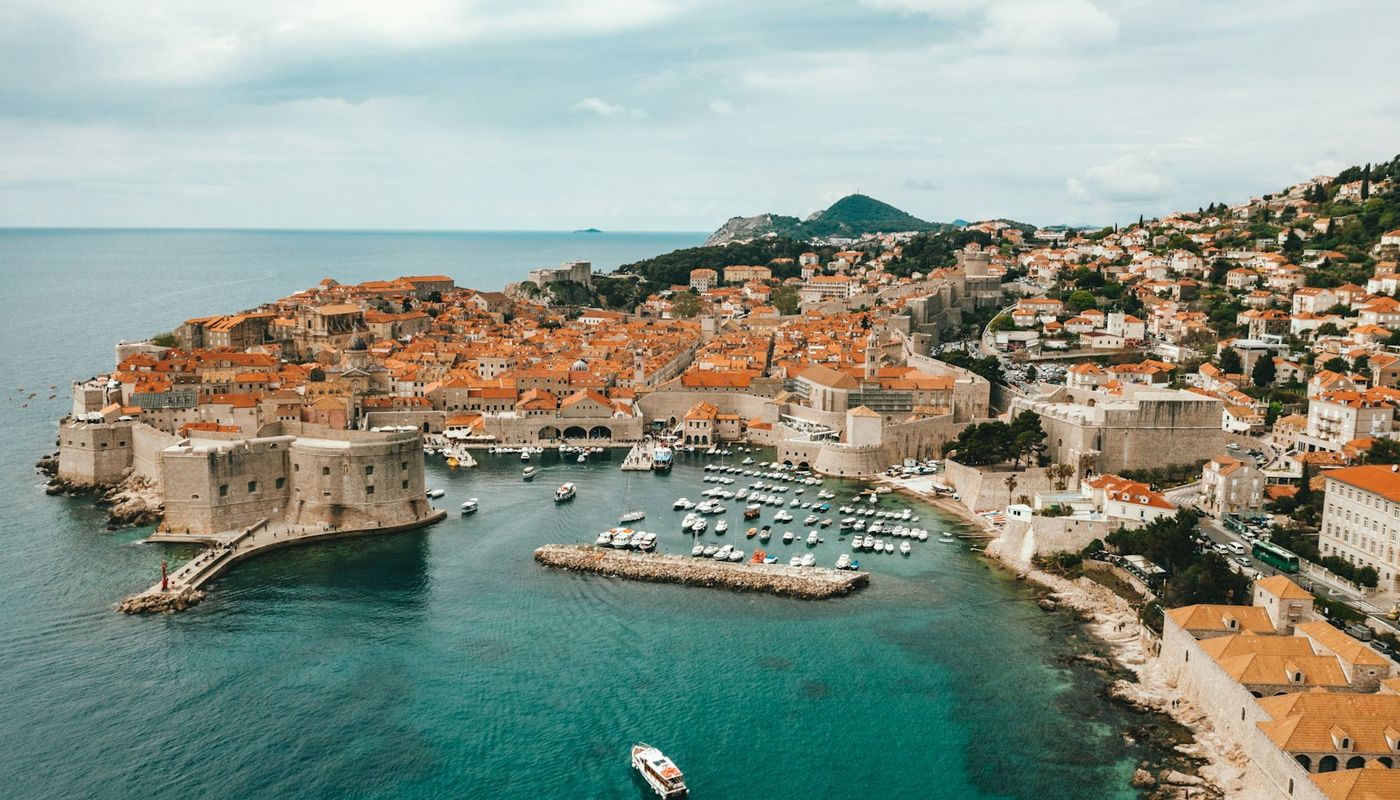
Can Foreigners Own Property in Croatia? The 2026 Legal Guide
Yes. Foreigners can own property in Croatia, but the rules depend on your citizenship.
- Citizens of the European Union, the European Economic Area (EEA) and OECD member states buy on the same terms as Croatians and need no special permission.
- Citizens of other countries (third countries) can buy, but generally need the consent of the Croatian Ministry of Justice and must satisfy a reciprocity test.
- Agricultural and forest land, and some protected areas, carry extra restrictions for everyone.
Below is how each rule works and where it comes from.
EU, EEA and OECD citizens: equal treatment
Croatia joined the European Union on 1 July 2013. Since accession, EU and EEA nationals, and legal entities from those states, acquire real estate under the same conditions as Croatian citizens. The reciprocity and ministerial-consent requirements that apply to third-country nationals do not apply to them. This equal treatment also extends to citizens and companies of OECD member states.
In practice, if you hold citizenship of an EU or EEA country (or an OECD state such as the United States, United Kingdom, Canada, Australia or Japan through the OECD route), you can buy a house or apartment directly in your own name, register it in the land registry, and hold it like any domestic owner.
Third-country nationals: reciprocity and Ministry of Justice consent
For nationals of countries outside the EU/EEA and outside the relevant OECD and capital-liberalization frameworks, the governing rule is the Act on Ownership and Other Real Rights (Property Act). Foreign natural and legal persons may, under the presumption of reciprocity, acquire ownership of real estate in Croatia with the consent of the minister responsible for judicial affairs. Without that consent, a sale and purchase agreement is null and void.
Two conditions matter:
- Reciprocity. There must be reciprocity between Croatia and the buyer's home country, meaning a Croatian citizen could acquire comparable property there. Reciprocity is presumed to exist unless there is proof to the contrary.
- Ministerial consent. The buyer applies to the Ministry of Justice, submitting the purchase contract, proof of the seller's registered ownership (a land registry extract), confirmation of the property's planning status, and proof of citizenship. The process is an administrative procedure and can take several months.
The Ministry of Justice publishes information on which countries satisfy the reciprocity condition. Because the OECD and capital-movement frameworks exempt many buyers (including US and UK citizens) from the consent requirement, the pure reciprocity-and-consent route now applies to a narrower set of nationalities than it did before accession.
The company route: buying through a Croatian d.o.o.
A common structure for buyers who fall outside equal treatment, or who want to hold property in a corporate vehicle, is to establish a Croatian limited liability company (d.o.o.). A company registered in Croatia is treated as a domestic legal person for ownership purposes, so it can acquire real estate without the ministerial consent required of a foreign individual, and it can access categories such as agricultural land that individuals cannot.
This route carries costs and obligations: company formation, accounting, annual filings and potential tax on the entity. It is a legitimate and widely used option, but it should be chosen for genuine reasons and set up with professional advice, not as a shortcut that ignores ongoing compliance.
Agricultural land and special categories
Agricultural land is treated differently from housing. A seven-year moratorium that followed Croatia's EU accession blocked EU nationals from buying agricultural land; it was extended and then expired, so from 1 July 2023 EU and EEA citizens and companies may acquire agricultural land in Croatia. Third-country nationals generally still cannot buy agricultural land as individuals, though a Croatian company can. Additional restrictions apply to forest land and to protected zones, so specialist advice is essential for anything beyond a standard home or apartment.
Taxes and the practical picture
When you buy an existing property from a private seller, Croatia charges a real estate transfer tax. The standard rate is 3% of the market value for property intended for permanent residence, with the buyer responsible for filing and payment. New-build purchases from a VAT-registered developer are generally subject to VAT instead of transfer tax. Rates and rules change, so confirm the current position with a Croatian tax adviser before budgeting.
Croatia also adopted the euro and joined the Schengen Area on 1 January 2023, which simplified currency and travel for buyers from other Schengen and eurozone countries.
Whatever your nationality, the legal right to buy is only half the picture. The other half is confirming that the specific property has clean, registered title and the correct permits, an area where independent verification tools such as Bektu and a Croatian lawyer who represents only you are worth the cost.
Sources
- Real estate properties for foreigners - Ministry of Foreign and European Affairs of Croatia
- Buying Real Estate - U.S. Embassy in Croatia
- Real Estate Laws and Regulations in Croatia 2025 - CEE Legal Matters
- When will EU citizens be able to buy agricultural land in Croatia - PFP Law
- How third-country citizens can buy real estate in Croatia - Expat in Croatia
- Real estate sales tax in Croatia - Terra Dalmatica
- Euro and Schengen: Croatia joins the Euro and Schengen areas - European Commission
Sign up to read the rest
Create a free account to keep reading. It only takes a minute.
Considering a developer you read about here?
You cannot walk the land from another country. But you can verify the developer. Bektu contacts them on your behalf and sends you a scored report. They never see who asked.
Search and verify any developerMore from Bektu

Stay a step ahead of the wire transfer
Get the occasional note from Bektu on verifying developers before you commit. No noise, just what matters.
We will never share your email. You can opt out at any time.