Costa Rica Real Estate Scams: What Foreign Buyers Need to Know
Costa Rica Real Estate Scams: What Foreign Buyers Need to Know
Costa Rica has no licensing requirement for real estate agents. There is no mandatory continuing education, no state board to file a complaint with, no agent-fund insurance. The notarial profession is licensed, but the regulator (Dirección Nacional de Notariado) has documented enough fraud-linked notaries to make notary-shopping its own diligence task. InSight Crime has reported on organized real estate fraud rings operating in coastal Costa Rica, with around fifty notaries linked to the schemes.
Foreign buyers, especially first-time buyers from the United States and Canada, are the most frequent targets. The scams are predictable. Knowing them is most of the defense.
Scam: titled versus concession bait-and-switch
A coastal property is marketed as fee simple. The marketing materials show beach access. The price is high but not impossible. The buyer wires a deposit. At closing, or after closing, the buyer discovers the parcel is actually inside the Maritime Zone, held by concession, with a 49 percent foreign-ownership cap and a 20-year renewable term rather than absolute ownership.
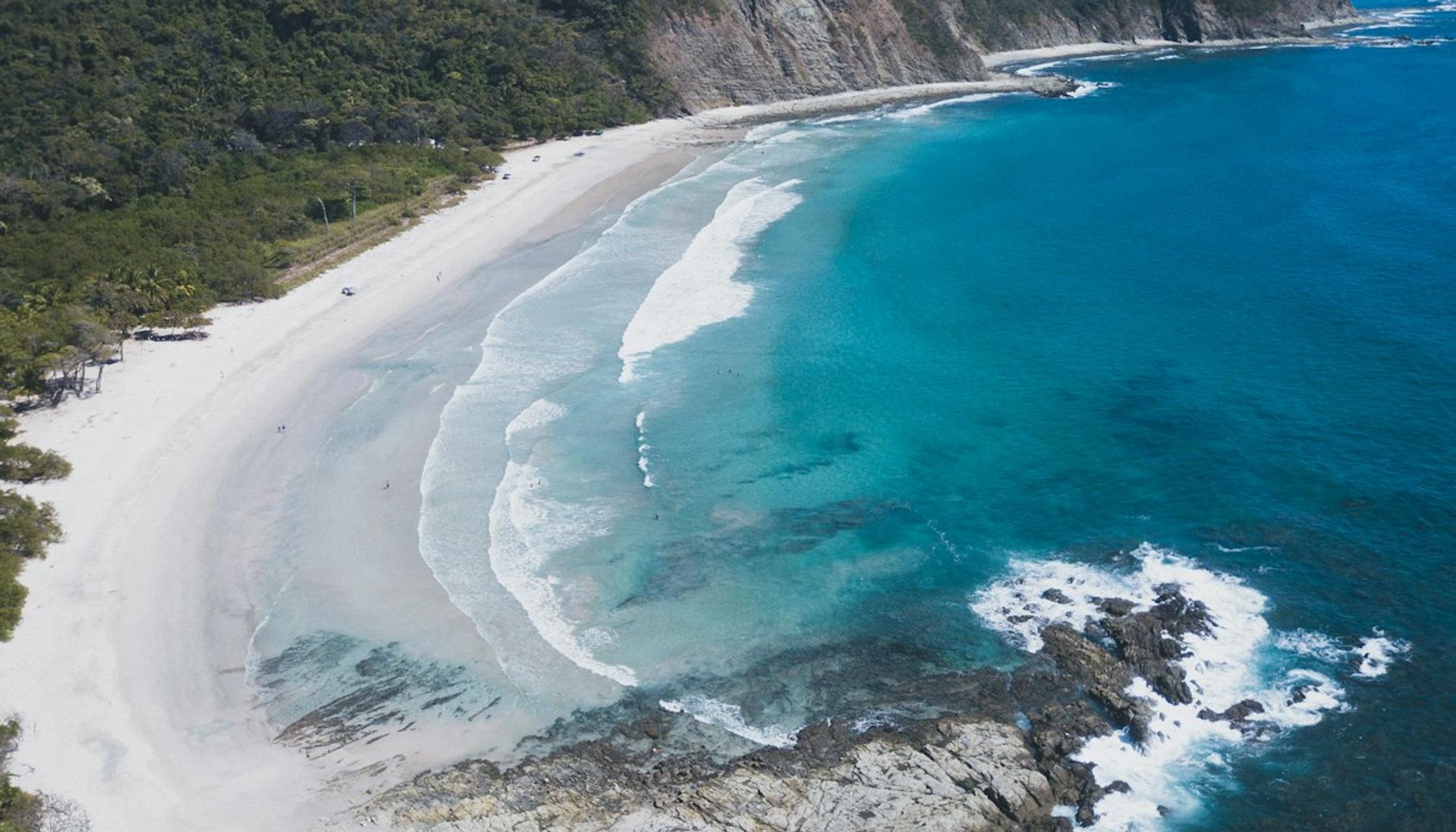
This is the most common Costa Rica scam by dollar value. It works because the words "ownership" and "title" get used loosely in informal sales contexts, and because the line between fee simple beachfront (about 5 percent of the coast) and concession beachfront (about 95 percent) is invisible from the beach.
How to verify: pull the folio real yourself. A concession property does not have a folio real in the standard registry; it appears in a separate concessions registry maintained at the relevant municipality. If the seller cannot produce a folio real number that returns a valid record from the Registro Nacional, you are not buying titled land. Period.
Scam: hidden liens, embargoes, and annotations
The seller represents the property as free and clear. A registry pull shows mortgages, embargoes, ongoing litigation, or annotations that the seller has not disclosed. In the worst case, the seller is in active foreclosure proceedings and is trying to sell the property out from under the creditor.
How to verify: pull a certified registry report (estudio registral) within 72 hours of closing, not weeks earlier. Read every annotation. Verify with your own notary that any annotation will be released or cleared at closing, with the funds and the mechanism specified in writing.
Scam: deposit pressure
The seller, the agent, or the seller's notary pushes for a deposit before independent registry verification has been completed. Common scripts: "another buyer is in town," "the seller needs the funds for another closing," "the price will increase if you wait."
This is the single most reliable warning sign in Costa Rican real estate. There is no legitimate reason a clean transaction needs a deposit before your notary has independently confirmed the title is clean.
How to verify: refuse to wire any funds before your own notary, retained independently, has completed the estudio registral. If the seller insists on a non-refundable deposit before that point, walk.
Scam: notary collusion
The seller's notary is also doing the title search. The notary tells you the title is clean. After closing, the buyer discovers the title was not clean, or the deed was never registered, or the deed was registered with parties or terms different from what was signed.
InSight Crime has documented organized fraud rings involving roughly fifty notaries in coastal Guanacaste and Puntarenas. The Dirección Nacional de Notariado has disciplinary records that can be checked.
How to verify: never use the seller's notary. Retain your own. Verify your notary's license against the Notariado registry. After closing, confirm the deed has actually been inscribed and that the new folio real reflects your name as registered owner.
Scam: wire fraud at closing
This is not Costa Rica-specific, but it shows up regularly in Costa Rican closings, often when US buyers are wiring funds from US banks. The closing email is intercepted. The wiring instructions are substituted. The buyer wires the funds to the scammer's account. The seller never receives the money.
Companies in Costa Rica with the most evidence on file
Ranked by BektuScore, which measures how much a buyer can verify about a company from public records. It does not rate build quality or returns.
America Free Zone
DeveloperHeredia, Costa Rica
Andaz Papagayo Residences
DeveloperGuanacaste, Costa Rica
Bahia Papagayo
DeveloperGuanacaste, Costa Rica
Ask Bektu
Still have a question about buying in Costa Rica?
Answers come from the records on file, with links to every source.
Considering a developer you read about here?
You cannot walk the land from another country. But you can verify the developer. Bektu contacts them on your behalf and sends you a scored report. They never see who asked.
Search and verify any developerMore from Bektu


Stay a step ahead of the wire transfer
Get the occasional note from Bektu on verifying developers before you commit. No noise, just what matters.
We will never share your email. You can opt out at any time.