Coco Hills Bali Foreign Buyer Guide: The 15-20% Yield Claim Decoded
Coco Hills Bali Foreign Buyer Guide: The 15-20% Yield Claim Decoded
Coco Hills Bali is a 95 to 100-unit hillside resort development in Bingin, Uluwatu, run by Coco Development Group, the Bali platform founded in 2017 by Danish entrepreneur Rasmus Holst. Headline pricing runs from USD 155,000 for a 40 sqm Colina studio to USD 245,000 for an 80 sqm Horizonte two-bedroom, with all units carrying private pools. The brochure projects annual yields of 15 to 20 percent on a managed rental basis. For foreign buyers, the relevant question is not whether Coco Hills exists (it does, with planning permits and a substantial portfolio behind it) but what tenure you are actually acquiring and how the 15 to 20 percent yield converts into legally enforceable cash flow.
You Are Not Buying Freehold
Indonesia does not allow foreign nationals to acquire freehold land. That restriction sits in Article 21(1) of the Basic Agrarian Law (Undang-Undang Pokok Agraria, Law No. 5 of 1960), which limits Hak Milik (freehold) ownership to Indonesian citizens. Any foreigner who tells you they hold Hak Milik in their own name in Bali is, almost always, either using a nominee structure (illegal and unenforceable under Article 26(2) of the same law) or factually mistaken.
What foreign buyers can legally hold:
Hak Pakai (Right to Use) under Government Regulation 18 of 2021, available to foreigners who hold a valid Indonesian residence permit (KITAS or KITAP). Hak Pakai is granted for an initial term of 30 years, extendable for 20 years and renewable for a further 30, for a maximum cumulative 80-year usage right.
Hak Sewa (leasehold), a contractual lease of Hak Milik land. The market norm in Bali is a 25 to 30-year initial lease with prepaid rent, often with extension options that depend on whether the original landowner is alive and willing to renew. Hak Sewa is legally robust but practically exposed to landowner mortality and family succession disputes.
Indirect ownership via a PT PMA (foreign investment company), which can hold Hak Guna Bangunan (Right to Build) for an initial 30 years, extendable for 20, renewable for a further 30. HGB held by a PT PMA is the standard structure for Bali villa investment.
Coco Hills' fine print, like most Bali boutique developments, defaults to a leasehold or PT PMA structure. Read the Sale and Purchase Agreement to confirm which one applies to your specific unit and how the term is calculated.
The 15 to 20 Percent Yield Claim
A 15 to 20 percent gross annual yield in any market is high. In Bali, it is achievable on managed short-term rentals at peak nightly rates with high occupancy, but the headline figure typically excludes:
The management fee, which on a hospitality-grade managed rental in Uluwatu runs between 20 and 30 percent of gross revenue.
The Indonesian Income Tax (PPh) on rental income, which for non-resident foreigners is 20 percent on gross rental under Article 26 of the Income Tax Law (Law No. 36 of 2008), or 10 percent final tax on gross rent under Government Regulation 34 of 2017 for individuals.
The Value Added Tax (PPN) on accommodation services, currently 11 percent, applicable when the unit is operated as a hospitality asset.
The Tourist Tax recently introduced in Bali (IDR 150,000 per international arrival from February 2024) and the local Banjar contributions that vary by village.
A 17 percent headline yield, after deducting management fees, withholding tax, and operating expenses, typically lands the foreign owner at a net 7 to 10 percent. Still attractive, but materially different from the brochure.
What Bingin and Uluwatu Are Actually Like
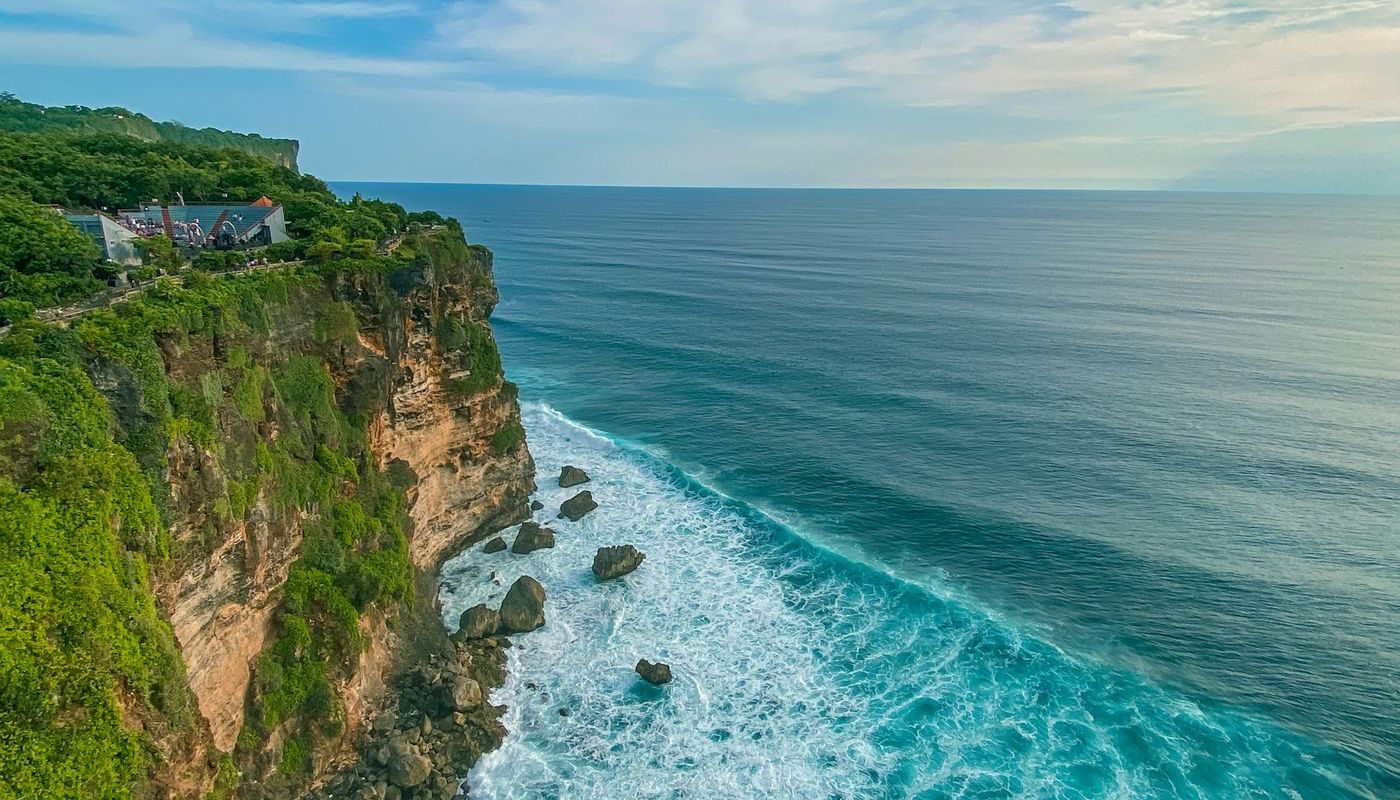
The Bukit Peninsula (which includes Uluwatu, Bingin, and Padang Padang) has been the focus of Bali's hospitality investment cycle for the last six years. Bingin specifically is a clifftop microclimate, accessible via a long stair-down to the beach, with a tightly constrained zoning envelope under the Badung Regency Spatial Plan (Rencana Tata Ruang Wilayah Kabupaten Badung). The constrained supply is genuine.
The risk is regulatory. Bali has been periodically tightening enforcement against villa developments that exceed building height restrictions (typically 15 metres) and conducting permit audits on developments in tourism-buffer zones. In 2023 and again in 2024, the provincial government issued public notices warning of demolition risk for non-compliant projects. Any Bali villa purchase should be cross-checked against the IMB (Izin Mendirikan Bangunan) building permit, the more recent PBG (Persetujuan Bangunan Gedung) under Government Regulation 16 of 2021, and the Sertifikat Laik Fungsi (Certificate of Functional Worthiness).
Verifying Coco Development Group
Coco Development Group has nine developments and reports 700-plus investors across 40-plus countries. The company is a known Bali platform, has a delivered portfolio in Uluwatu, and is registered as a PT PMA. The verification work for any specific Coco Hills unit therefore focuses less on the developer's existence and more on the unit-level documentation:
The Land Certificate (Sertifikat) confirming the underlying title (Hak Milik for the landowner, HGB for the PT PMA, or Hak Pakai for the foreign individual).
The Sale and Purchase Agreement (Akta Jual Beli) or, more commonly for off-plan, the Pre-Sale Agreement (PPJB) executed before a Notary (Notaris/PPAT).
The building permit (IMB or PBG) confirming the approved structure and the operating permit (TDUP) confirming the hospitality use class.
The Rental Management Agreement, which is the document that converts the brochure yield claim into a contract. Pay close attention to the revenue split, the operating expense allocation, the term, the termination rights, and the audit rights you retain over the manager's books.
Platforms like Bektu consolidate Bali developer delivery history and surface unit-level documentation patterns that the marketing material will not voluntarily share. The Coco Development Group profile on Bektu collects the verifiable record.
Bottom Line
Coco Hills Bali is a real development by a real platform in a high-quality microclimate. The 15 to 20 percent yield claim is achievable as a gross headline but typically converts to a net 7 to 10 percent after management fees, taxes, and operating costs. Foreign buyers are acquiring a leasehold or PT PMA-held HGB interest, not freehold. The serious due diligence work is on the title certificate, the building permit, the operating licence, and the Rental Management Agreement. Done properly, Bali boutique hospitality is a defensible asset class. Done casually, it is the most reliable way for foreign capital to learn what Article 26 of the Basic Agrarian Law actually means.
Related: Hak Pakai vs PT PMA Indonesia foreign ownership guide, Bali, Jakarta, Lombok foreign property comparison.
Sources
- Basic Agrarian Law (UU 5/1960), Indonesian Government via ILO NATLEX
- Government Regulation 18 of 2021 on Hak Pakai, Indonesian Cabinet Secretariat
- Income Tax Law (UU 36/2008), Indonesian Ministry of Finance
- Coco Hills Bali project page
- Coco Development Group corporate page
- Coco Development Group on Bektu
- Government Regulation 16 of 2021 on Building Permits (PBG)
Sign up to read the rest
Create a free account to keep reading. It only takes a minute.
Developers referenced
- Coco Development Group Uluwatu, Indonesia
Thinking about Coco Development Group?
You cannot walk the land from another country. But you can verify the developer. Bektu contacts them on your behalf and sends you a scored report. They never see who asked.
Verify Coco Development Group anonymouslyMore from Bektu


Stay a step ahead of the wire transfer
Get the occasional note from Bektu on verifying developers before you commit. No noise, just what matters.
We will never share your email. You can opt out at any time.