Canggu vs Ubud vs Seminyak vs Uluwatu: Where to Buy a Villa in Bali as a Foreign Investor in 2026
Bali's foreign property investment market is concentrated in four areas: Canggu, Ubud, Seminyak, and Uluwatu. Each has a distinct character, price profile, and regulatory environment that shapes investment returns. The days of Bali as a uniform "cheap tropical paradise" for property investors are over. Each area now functions as a distinct sub-market with its own supply-demand dynamics, infrastructure constraints, and regulatory trajectory.
How Bali Land Is Priced
Land in Bali is measured in are, where one are equals 100 square metres, and it is quoted per are rather than per square metre. Current per-are ranges by sub-area:
- Canggu proper (Berawa, Batu Bolong, Echo Beach): IDR 300 to 600 million per are, roughly $19,000 to $37,500
- Pererenan: IDR 150 to 300 million per are. Munggu and Seseh, further north: IDR 80 to 200 million
- Ubud centre (Monkey Forest, Jl. Raya Ubud): IDR 200 to 400 million per are. Tegallalang and Kedewatan: IDR 100 to 250 million. Payangan and the Petanu Valley: IDR 50 to 150 million
- Seminyak core (Jl. Oberoi, Jl. Laksmana, Petitenget): IDR 500 million to 1 billion per are, roughly $31,000 to $62,500. Kerobokan: IDR 200 to 500 million
- Uluwatu (Pecatu, Ungasan): IDR 150 to 400 million per are. Bingin and Padang Padang: IDR 200 to 500 million. Nusa Dua resort zone: IDR 300 to 600 million
The spread between Seminyak core and outer Ubud is roughly tenfold, which is the clearest single measure of how differently these four markets price the same island.
Canggu: The Digital Nomad Capital
Canggu has undergone the most dramatic transformation of any area in Bali over the past five years. What was a quiet rice paddy landscape with a handful of surf cafes in 2015 is now a dense, traffic-congested corridor of villas, coworking spaces, restaurants, and beach clubs stretching from Berawa to Pererenan.
Prices in Canggu for leasehold villas (the most common structure for foreign buyers) range from $150,000 to $350,000 USD for a two-bedroom villa on a 25-year lease, and $250,000 to $600,000 USD for a three- to four-bedroom pool villa. Freehold-equivalent (Hak Pakai or through PT PMA) properties command a 30% to 50% premium. Land leasehold prices in central Canggu (Berawa, Batu Bolong) have reached $15 to $25 USD per square meter per year, reflecting the area's intense demand.
Rental yields in Canggu are among the highest in Bali for short-term vacation rentals. Well-managed, well-located villas achieve gross yields of 10% to 15% on leasehold investment costs during peak periods. A three-bedroom pool villa in Berawa can command $200 to $400 per night during high season (June through September and December through January) and $120 to $250 during shoulder season. Annual occupancy for top-performing villas reaches 70% to 80%.
However, Canggu's infrastructure has not kept pace with development. Traffic congestion on the main roads (Jl. Raya Canggu and Jl. Pantai Berawa) is severe during peak hours. Flooding occurs during the rainy season due to inadequate drainage. Water supply is inconsistent, and most villas rely on bore wells supplemented by tanker deliveries. These infrastructure issues affect guest experience and, increasingly, reviews on booking platforms.
The Badung Regency government has introduced moratoriums on new construction permits in certain areas of Canggu, reflecting concerns about overdevelopment. Foreign investors should verify that any new-build villa has a valid Izin Mendirikan Bangunan (IMB, building permit) or the newer Persetujuan Bangunan Gedung (PBG) that replaced it under Government Regulation No. 16 of 2021.
The Zoning Problem Behind Canggu's Permits
A large share of Canggu villas sit on land still zoned agricultural (sawah). Under the Bali Provincial Spatial Plan (RTRW, Rencana Tata Ruang Wilayah) and the regency spatial plans beneath it, building on agricultural-zoned land without a land-use change permit (izin perubahan penggunaan tanah) is illegal. Enforcement has been inconsistent for years, which is precisely how so much technically non-conforming development got built, and it is also why the exposure is concentrated in specific parcels rather than spread evenly.
Verify the zoning classification for the specific parcel with the Badung Regency planning office (Dinas Tata Ruang Kabupaten Badung) before purchase. A valid PBG on a parcel that was never rezoned does not resolve the underlying problem.
Ubud: The Cultural Premium
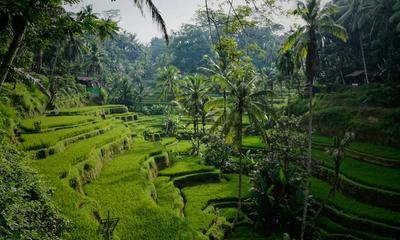
Ubud represents a fundamentally different investment proposition than the coastal areas. Located in the Gianyar Regency in Bali's central highlands, Ubud is known for its rice terraces, art galleries, yoga retreats, and cultural tourism. The buyer profile skews toward wellness-focused travelers, cultural tourists, and retreat operators.
Prices in Ubud are generally lower than Canggu and Seminyak. Leasehold villas range from $100,000 to $250,000 USD for a two-bedroom villa and $180,000 to $450,000 for a three- to four-bedroom villa with rice field views. Land is more available and cheaper outside the central Ubud core, with areas like Tegallalang, Mas, and Lodtunduh offering prices 30% to 50% below central Ubud.
Rental yields in Ubud average 8% to 12% gross for well-positioned villas, though the rental profile is different from coastal areas. Ubud attracts guests seeking longer stays (five to fourteen nights versus two to four nights on the coast), which reduces turnover costs. The retreat and wellness market provides an additional revenue stream: villas configured for small group retreats (yoga, meditation, creative workshops) can command premium per-person rates.
Ubud's regulatory environment under the Gianyar Regency is generally less restrictive than Badung (which governs Canggu, Seminyak, and Uluwatu), though the regency has been increasing enforcement of building permits and environmental standards, particularly for properties near rice terraces and river gorges.
Seminyak: The Mature Premium Market
Seminyak is Bali's most established tourism district and its most expensive property market. The area's beachfront location, concentration of luxury hotels and restaurants, and proximity to Ngurah Rai International Airport have made it the default destination for upscale tourists.
Prices in Seminyak reflect its premium status. Leasehold villas range from $200,000 to $500,000 USD for a two-bedroom villa and $350,000 to $900,000 for a three- to four-bedroom luxury villa. Beachfront or beach-adjacent properties command the highest premiums. Land availability in central Seminyak is extremely limited, and most transactions involve existing villas rather than new-build opportunities.
Rental yields in Seminyak average 7% to 10% gross, lower than Canggu's top-performing properties but with more consistent year-round demand. Seminyak's guest profile includes higher-spending luxury travelers, honeymooners, and groups celebrating occasions, which supports higher nightly rates ($250 to $800 per night for premium villas) but with slightly lower occupancy than Canggu's volume-driven market.
Seminyak's infrastructure is Bali's most developed: paved roads, reliable water supply, established drainage, and extensive commercial services. The area's maturity means fewer construction-related disruptions and more predictable operating costs.
Uluwatu: The Emerging Clifftop Market
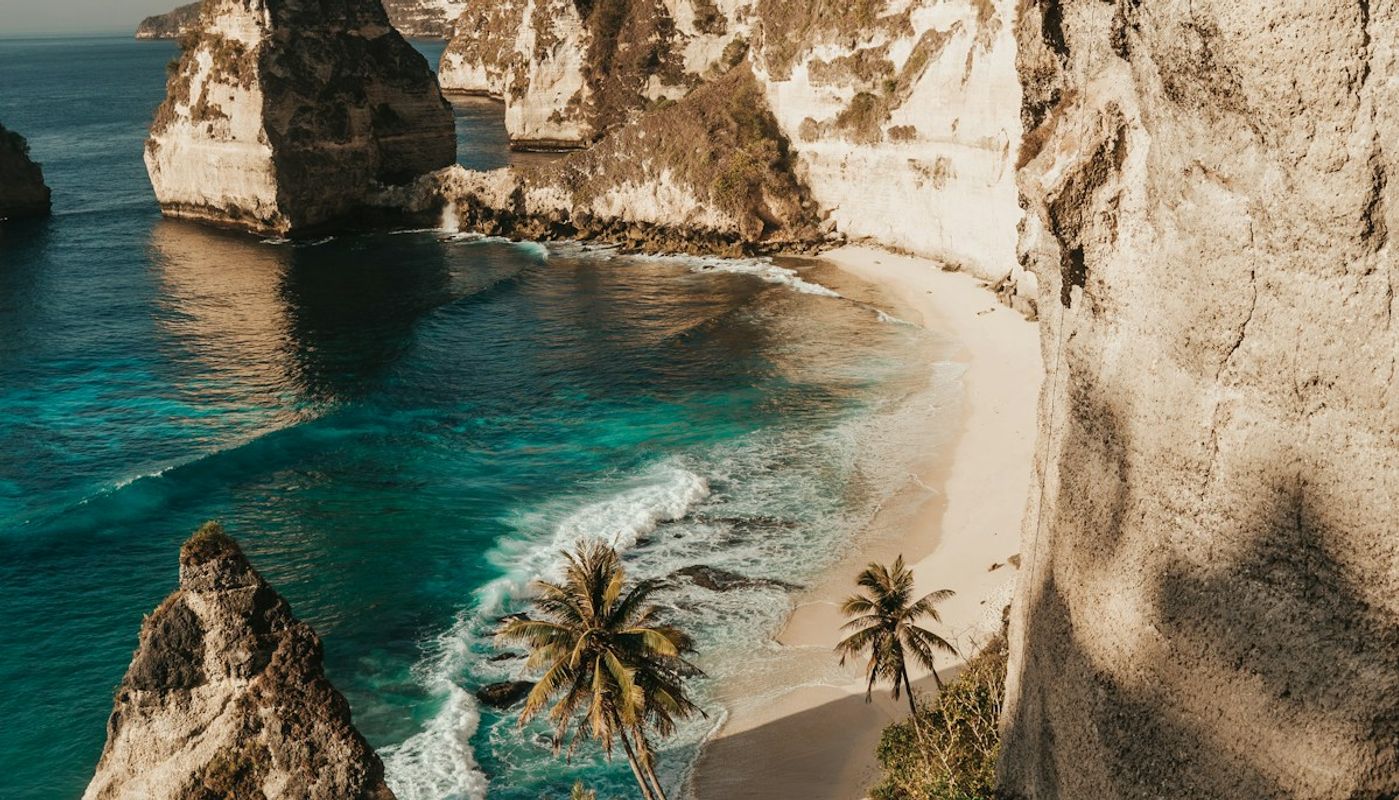
Uluwatu, on Bali's southern Bukit peninsula, has emerged as the island's most dynamic development zone. The area's dramatic clifftop locations, world-class surf breaks, and relative lack of development (compared to Seminyak and Canggu) have attracted both boutique developers and individual investors.
Prices in Uluwatu vary widely depending on location and cliff proximity. Leasehold villas range from $120,000 to $300,000 USD for inland properties and $250,000 to $700,000 for clifftop or ocean-view properties. The Bingin, Padang Padang, and Ungasan sub-areas command the highest prices. Land prices have increased substantially since 2020, driven by the development of new beach clubs, restaurants, and boutique hotels along the Bukit coastline.
Rental yields in Uluwatu are variable and depend heavily on the specific location and property quality. Clifftop villas with ocean views and infinity pools achieve the highest nightly rates in Bali ($300 to $1,000+ per night), but occupancy can be inconsistent due to access issues (the Bukit peninsula's road network is limited), distance from the airport, and the area's less developed dining and nightlife scene compared to Seminyak and Canggu.
Uluwatu's development is constrained by the peninsula's topography (cliffs, limited flat land) and water scarcity (the Bukit has no natural water sources and relies entirely on bore wells and tanker supply). These constraints limit supply, which supports prices, but also create operational challenges for rental properties.
Access has improved faster than the rest of the Bukit's infrastructure. The Bali Mandara toll road gives the peninsula a direct connection from Ngurah Rai airport, and the luxury hotel cluster anchored by Six Senses, Bulgari, and Alila has pulled higher-spending guests south. Road quality within individual sub-areas remains uneven. Nusa Dua, on the eastern side of the peninsula, is a separate proposition again: a planned resort zone with the Bukit's most complete infrastructure and correspondingly less zoning risk than the clifftop developments to the west.
Short-Term Rental Regulations Across All Areas
Bali's short-term rental market operates under a regulatory framework that has been tightening since 2024. The key regulation is the Pondok Wisata (tourist accommodation) license, governed by Governor of Bali Regulation No. 16 of 2009 and subsequent amendments.
A Pondok Wisata license is legally required for any property rented to tourists for short stays. Obtaining one requires the property to meet certain standards (safety, hygiene, parking), the consent of the local banjar (community council), and registration with the Bali Provincial Tourism Office (Dinas Pariwisata).
Enforcement has historically been lax, with thousands of unlicensed villas operating on booking platforms. However, the provincial government began partnering with platforms to identify and delist unlicensed properties starting in 2025, and the Badung Regency (covering Canggu, Seminyak, and Uluwatu) has been the most aggressive in enforcement.
What Bektu Provides
Bektu publishes area-level price indices and rental yield estimates across all four markets, identifies properties with verified Pondok Wisata licenses, and flags areas where construction moratoriums or regulatory changes may affect new investment. The platform helps foreign buyers compare the true cost-of-ownership across areas when accounting for different lease terms, permit requirements, and infrastructure costs.
Sources: BPN, Government Regulation No. 16 of 2021, Bali Provincial Government, Badung Regency.
Sign up to read the rest
Create a free account to keep reading. It only takes a minute.
Considering a developer you read about here?
You cannot walk the land from another country. But you can verify the developer. Bektu contacts them on your behalf and sends you a scored report. They never see who asked.
Search and verify any developerMore from Bektu


Stay a step ahead of the wire transfer
Get the occasional note from Bektu on verifying developers before you commit. No noise, just what matters.
We will never share your email. You can opt out at any time.