Can Foreigners Own Property in Colombia? The 2026 Legal Guide
Can Foreigners Own Property in Colombia? The 2026 Legal Guide
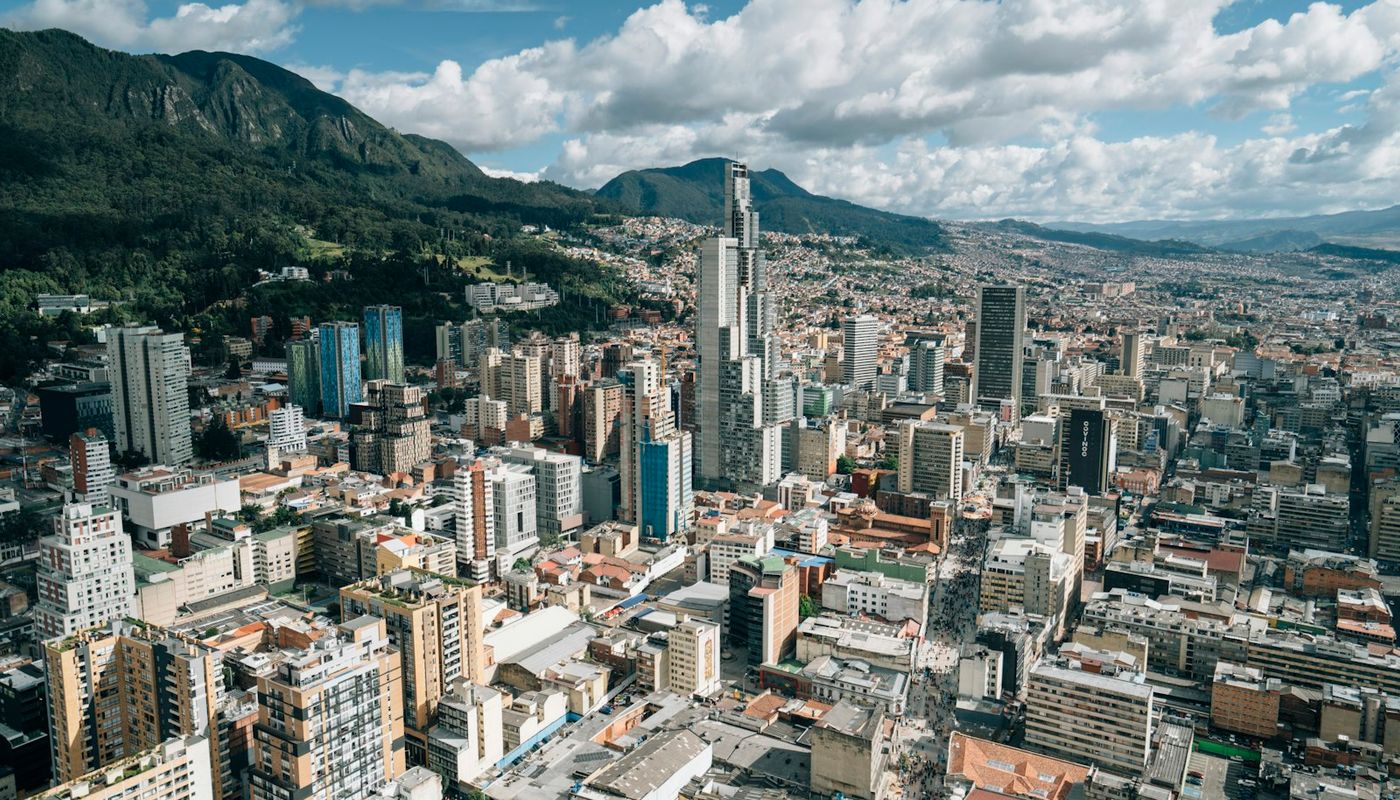
Yes. Foreigners have the same property ownership rights as Colombian citizens under the Colombian Constitution, with three narrow exceptions: rural land near international borders, baldíos (state-origin rural land), and certain agricultural land that may be subject to a pending congressional cap. None of these restrict ownership of urban residential property in Bogotá, Medellín, Cartagena, Cali, or Barranquilla.
That is the short answer. The longer answer involves which entity should hold the title, how to register the inbound capital so you can repatriate it later, and what the 2026 investor visa actually requires.
Constitutional Basis
Article 100 of the Colombian Constitution grants foreigners the same civil rights as nationals, with limited statutory exceptions. The Civil Code reinforces this with no nationality restriction on private property ownership. There is no FIRPTA equivalent, no purchase permit requirement, and no minimum holding period imposed on foreign owners as a general matter.
The Three Exceptions That Actually Matter
Border zones. Property within roughly 100 kilometers of an international border (the "Zona de Frontera") is subject to stricter scrutiny, and certain rural parcels there cannot be acquired by foreigners. This is enforced through the registration process at the Oficina de Instrumentos Públicos rather than blocking access entirely.
Baldíos. Rural land originally titled out of state ownership ("baldíos adjudicados") is subject to extensive restrictions on subsequent transfer, including limits on accumulation (the Unidad Agrícola Familiar limits) and restrictions on transfer to foreigners. Most urban residential lots are not baldíos, but rural land buyers should require the seller to produce the chain of title showing the property was not titled as a baldío.
Agricultural frontier (proposed). Proyecto de Ley 238 de 2025, currently before the Colombian Congress, would impose a cumulative cap: foreigners collectively could not own more than 15 percent of the agricultural frontier land in any single municipality. As of May 2026 this is not yet law. It does not affect urban residential purchases regardless of outcome.
Ownership Structures Available to Foreigners
Direct ownership in your personal name. The simplest path. Title is issued through the local Notaría and recorded at the Oficina de Instrumentos Públicos under your passport and Colombian tax ID (NIT or cédula de extranjería). No residency required.
Colombian SAS (Sociedad por Acciones Simplificada). A single-shareholder corporation under Ley 1258 de 2008. Commonly used by foreign buyers holding multiple rental properties, primarily for liability ring-fencing and tax planning rather than for any legal requirement.
Patrimonio Autónomo (fiducia mercantil). A trust structure governed by Articles 1226-1244 of the Código de Comercio. Most legitimate pre-construction projects are sold this way: your money sits with a regulated fiduciaria (Fiduciaria Bogotá, Alianza, Fiducoldex, Fiduciaria Bancolombia) and is released to the developer against construction milestones. The Patrimonio Autónomo holds title until the project delivers.
For a foreign buyer purchasing a finished apartment to live in or rent on Airbnb, direct ownership is almost always the right answer. The SAS adds cost and tax complexity that rarely pays off below two or three properties.
How to Register Your Investment with the Banco de la República
This is the single most important step that gets skipped. Foreign investment in real estate is regulated by Resolución Externa 1 de 2018 of the Junta Directiva del Banco de la República and the related Circular Reglamentaria Externa DCIN-83.
When you wire money in to buy property, the receiving Colombian intermediario cambiario (your IMC bank or fiduciaria) files a Declaración de Cambio under Formulario 4 ("Inversiones internacionales"). This registration matters for two reasons. First, it preserves your right to repatriate the original capital plus any gains when you sell. Second, it is a documentary requirement for the Migrante (Investor) visa.
Skipping registration does not block you from buying. It blocks you from cleanly taking your money out, and it disqualifies you from the property investor visa.
The 2026 Investor (M) Visa
Resolution 5477 of 2022 of the Ministerio de Relaciones Exteriores sets the Migrante visa categories. The property-based investor visa requires a real estate investment of at least 350 SMMLV (Salarios Mínimos Mensuales Legales Vigentes).
With the 2026 SMMLV set at COP 1,750,905, the threshold is COP 612,816,750 — roughly $161,300 USD at a reference rate of 3,800 COP per USD. The visa is valid for up to three years and renewable.
Two practical traps. First, the threshold is measured against the deed value, not what you actually paid. Underdeclaring on the escritura to save on notary and registry fees can drop you below the threshold. Second, the investment must be registered with the Banco de la República. An unregistered purchase does not qualify, no matter the size.
Closing Costs and Recurring Taxes
Closing costs typically run 3 to 4 percent of the purchase price: notary fees (about 0.27 percent split between buyer and seller), registry fees (about 1.67 percent), and beneficencia tax (about 1 percent in most departments). Predial (annual property tax) ranges from roughly 0.5 to 1.6 percent of the cadastral value depending on the municipality.
Capital gains tax on resale is 15 percent for property held more than two years, due in the year of the sale. If you held the property less than two years, the gain is taxed at ordinary income rates.
Documents to Pull Before Closing
Three documents, in order. The Certificado de Tradición y Libertad (CTL) from the Superintendencia de Notariado y Registro shows the chain of title and any liens. Pull it yourself; do not rely on the seller's copy. The Paz y Salvo for predial confirms no back property taxes. The Paz y Salvo de Administración (for an apartment) confirms the seller is current on condo fees — these debts transfer with the unit in Colombia.
For verifying whether a developer you are about to wire money to has actually delivered prior projects, Bektu tracks developer history across Colombian markets and other emerging real estate destinations.
Sources
- Constitución Política de Colombia — Artículo 100
- Resident Investor's Visa — Cancillería de Colombia
- Property Investor Visa 2026: New Minimums Explained — Medellin Lawyer
- Colombia Investor Visa 2026: New Requirements — Medellin Lawyer
- Buying Property in Colombia as a Foreigner — Taxes for Expats
- Colombia Property Foreign Ownership Update 2026 — TheLatinvestor
- How Foreigners Buy Property Colombia 2026 — Convexo Real Estate Law
Sign up to read the rest
Create a free account to keep reading. It only takes a minute.
Considering a developer you read about here?
You cannot walk the land from another country. But you can verify the developer. Bektu contacts them on your behalf and sends you a scored report. They never see who asked.
Search and verify any developerMore from Bektu
Stay a step ahead of the wire transfer
Get the occasional note from Bektu on verifying developers before you commit. No noise, just what matters.
We will never share your email. You can opt out at any time.