Baruch and Phareex: What Diaspora Buyers Should Verify Before Wiring Money to This Abuja Developer
Baruch and Phareex: What Diaspora Buyers Should Verify Before Wiring Money to This Abuja Developer
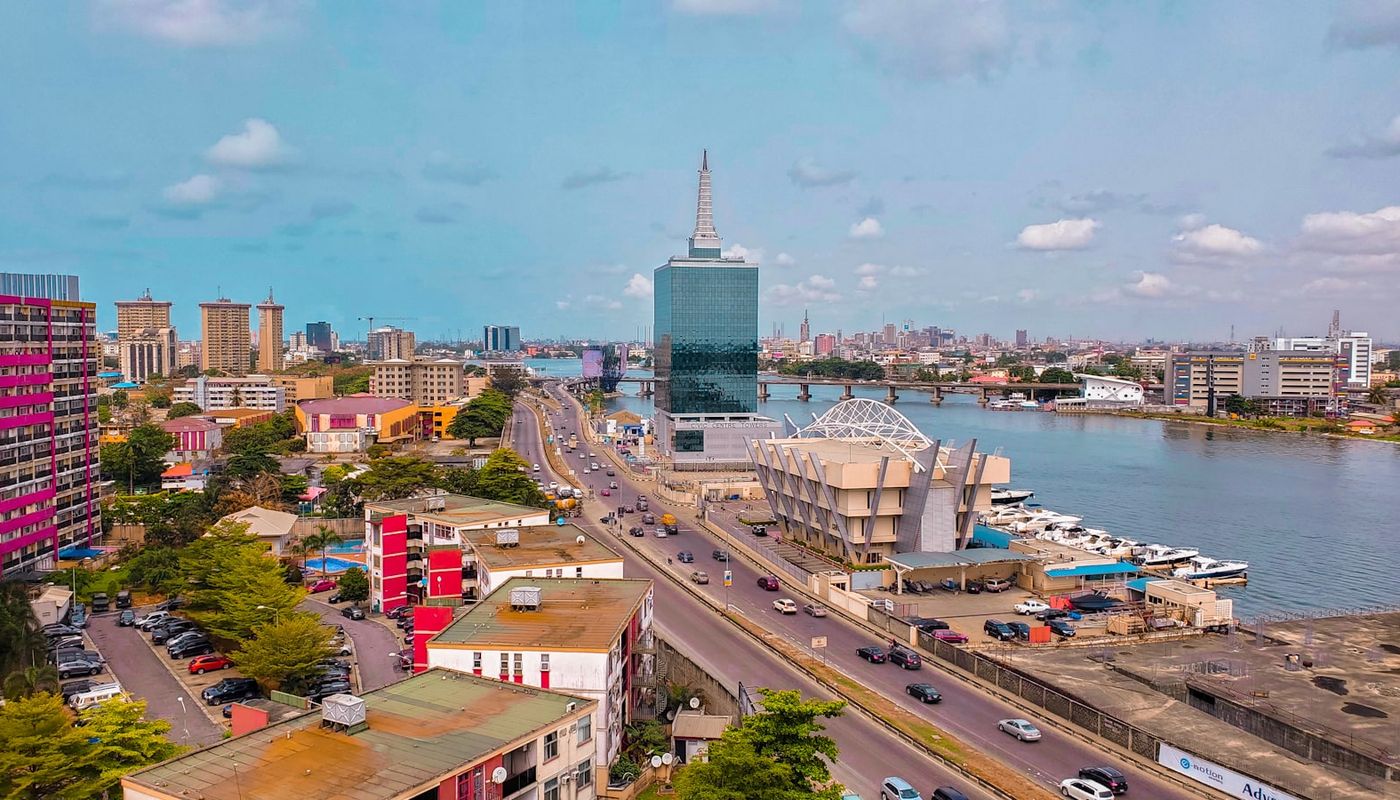
Baruch and Phareex Nigeria Limited is an Abuja-based real estate company that markets luxury residential projects in Asokoro, Jahi, and Guzape. The firm has been in business for roughly 13 years and pitches itself as an integrated planning, development, construction, and management group. For a diaspora buyer sitting in London, Houston, or Toronto and looking at glossy renders on the company website, the relevant question is not whether the marketing copy is well written. It is whether the developer holds the right title to the land, has the right approvals, and can actually deliver what is being sold.
Here is what to check before any wire goes out.
Confirm the corporate identity at CAC
Every Nigerian developer is registered with the Corporate Affairs Commission. Search the public CAC portal for "Baruch and Phareex" and pull the RC number. Match the company name on the sales agreement to the name on the CAC record exactly. Limited liability companies in Nigeria operate under the Companies and Allied Matters Act 2020 (CAMA 2020), and a developer that resists giving you a clean RC number and a recent CAC status report is a developer that should not be receiving your money. The current directors on file should match the people you are dealing with in correspondence.
Understand which title sits under the project
Land ownership in Nigeria is governed by the Land Use Act 1978, which vests all land in the Governor of each state, or in the case of the Federal Capital Territory, in the Minister of the FCT through the Federal Capital Development Authority (FCDA). What a private party actually holds is a leasehold interest, typically up to 99 years, evidenced by a Right of Occupancy. Inside the FCT, that document is a Statutory Right of Occupancy issued by the Minister, eventually upgraded into a Certificate of Occupancy after the developmental conditions are met.
For Asokoro, Jahi, and Guzape plots, you want to see:
- The original R of O or C of O in the name of the entity selling the land, not a third party.
- The deed of assignment chain showing how the title moved to the current owner.
- The Minister's consent endorsement under Section 22 of the Land Use Act, since any assignment of a Right of Occupancy without that consent is void.
- The FCDA Tracking Information System (FCT-ITS) printout confirming the file number is active and not under revocation.
If the project sits on a layout that was part of the recent FCT title cancellation exercise, the documents will not survive a search at the Abuja Geographic Information System (AGIS). That is a hard stop, not a paperwork inconvenience.
Match the project to a real CofO file number
Baruch and Phareex's marketed neighborhoods (Asokoro, Jahi, Guzape) sit inside districts where FCT title fraud has been an active problem. The EFCC and the FCCPC have opened multiple cases against Abuja-based agents and developers in 2026, including the widely reported N288 million Asokoro fraud arrest and the FCT-led title revocation exercise affecting 485 plots. None of this implicates Baruch and Phareex specifically, but it does mean the burden of proof on any Abuja developer is now higher than it was two years ago. Insist on a physical inspection of the file at AGIS before any commitment. A serious developer will arrange this for you or accept that your lawyer will do it independently.
Check the actual project address against the title
Marketing materials in Abuja are sometimes attached to plots the developer does not yet control. Ask for the survey plan, the coordinates, and the cadastral zone, and have a registered surveyor verify them on the ground. The plot number on the marketing brochure must match the plot number on the title and the plot number that physically exists in that district. This is basic, and it is the single most common point at which Abuja fraud is detected by buyers who actually check.
Look at the bank account on the sales agreement
Funds should be paid into a corporate account in the name of the developer entity registered at CAC. Personal accounts, third-party accounts, or accounts in names that resemble but do not match the developer are a signal to stop. SCUML compliance under the Money Laundering (Prevention and Prohibition) Act 2022 requires real estate firms to register with the EFCC's Special Control Unit Against Money Laundering. Ask for the SCUML certificate. A developer with a clean compliance posture will produce it without complaint.
Track delivery history, not pitch decks
Asokoro, Jahi, and Guzape have been pitched by dozens of Abuja developers over the last decade, and the gap between "we have a project here" and "we have delivered units here" is real. Ask Baruch and Phareex for:
- A list of completed projects with addresses, year of completion, and at least two current resident contacts willing to confirm allocation and quality.
- Proof of allocation rather than just sales: title documents handed to past buyers, not just receipts.
- A handover history, including any units delivered late, the reason, and the resolution.
Platforms like Bektu exist specifically to verify the delivery histories of developers in markets where the marketing-to-delivery gap is wide. Pulling a delivery record on Baruch and Phareex before signing is the kind of cheap step that closes most fraud risk.
What recourse looks like if a deal goes wrong
If the developer fails to allocate or fails to deliver, your civil claim runs against the company registered at CAC. The action is filed in the FCT High Court if the property sits in Abuja. Recovery against a developer is realistic only if the company has assets in Nigeria. Diaspora buyers who paid into accounts that turned out to be controlled by individuals operating outside the company's normal structure usually find recovery extremely difficult, which is why the verification work above matters more than it appears.
For a deeper walk-through, see Bektu's guides on how to verify a Certificate of Occupancy in Nigeria, how to buy land in Nigeria safely from abroad, and the diaspora money fraud warning.
Baruch and Phareex may well be a legitimate operation with delivered projects and a clean title chain. The point is that the diaspora buyer cannot tell from a website. The checks above are how you know.
Sources
- Land Use Act 1978, Federal Republic of Nigeria
- Companies and Allied Matters Act 2020 (CAMA 2020)
- Money Laundering (Prevention and Prohibition) Act 2022
- Corporate Affairs Commission, https://www.cac.gov.ng
- Abuja Geographic Information System, https://agis.fcta.gov.ng
- Federal Capital Development Authority, https://fcda.gov.ng
- Baruch and Phareex, https://bpnig.com
Sign up to read the rest
Create a free account to keep reading. It only takes a minute.
Developers referenced
- Baruch and Phareex Nigeria Limited Abuja, Nigeria
Thinking about Baruch and Phareex Nigeria Limited?
You cannot walk the land from another country. But you can verify the developer. Bektu contacts them on your behalf and sends you a scored report. They never see who asked.
Verify Baruch and Phareex Nigeria Limited anonymouslyMore from Bektu


Stay a step ahead of the wire transfer
Get the occasional note from Bektu on verifying developers before you commit. No noise, just what matters.
We will never share your email. You can opt out at any time.