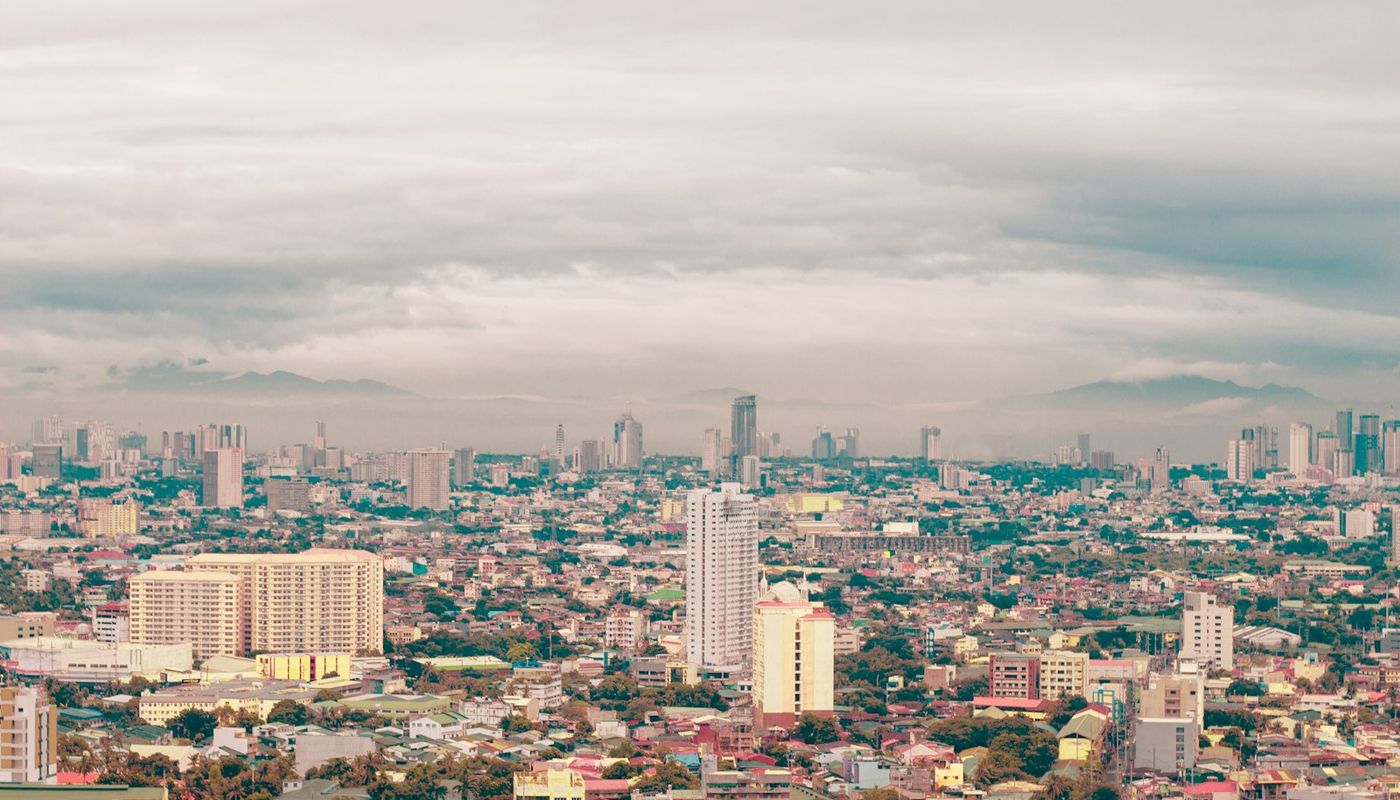
What Happens If a Foreigner Inherits Land in the Philippines
The Philippines bars foreigners from owning land, yet thousands of foreign spouses, children, and partners end up inheriting it. This is one of the most confusing situations in Philippine property law, because the answer depends on a single constitutional exception and on whether the deceased left a will. Here is what actually happens, and what a foreign heir can and cannot do.
Can a foreigner legally inherit land in the Philippines?
Yes, but only through one narrow exception. Article XII, Section 7 of the 1987 Constitution bars the transfer of private land to anyone not qualified to own it, "save in cases of hereditary succession." That clause is the only doorway through which a foreign national can come to hold Philippine land.
Does it matter whether there was a will?
Yes, and this is the detail most people miss. The accepted legal reading is that the hereditary succession exception covers intestate succession, meaning inheritance by operation of law when the owner dies without a will. A will that specifically leaves land to a foreigner (testamentary succession) is widely held not to qualify, because allowing it would let owners bypass the ownership ban entirely.
What is intestate succession exactly?
Intestate succession is what happens when a person dies without a valid will, and the estate is distributed according to the Civil Code. Under Article 960 and the articles that follow, legitimate children and descendants inherit first, then ascendants, then illegitimate children, the surviving spouse, and collateral relatives. A foreign heir who falls into this order inherits by force of law, not by the owner's choice, which is why it fits the constitutional exception.
So can a foreign spouse inherit the family land?
A foreign surviving spouse can inherit land through intestate succession as a compulsory heir, but the situation is sensitive. If the Filipino spouse dies without a will, the foreign spouse can take a share of the land by operation of law. If the Filipino spouse instead writes a will leaving the land to the foreign spouse, that specific bequest is on much weaker ground and is likely to be challenged.
What can a foreign heir actually do with inherited land?
A foreign heir can hold and use the inherited land, but the practical advice is usually to plan an exit. Because the foreigner could not have bought the land directly, many lawyers recommend selling it to a qualified Filipino buyer within a reasonable time or transferring it to Filipino co-heirs. The title can be registered in the foreigner's name when the inheritance is valid, but holding it long-term invites disputes.
Is a foreign heir forced to sell?
No. The Constitution sets no deadline for disposing of land acquired through hereditary succession, so a foreign heir can keep the property, live in it, or rent it out. The constraint shows up at the exit. Inherited land can only be transferred to someone qualified to own it: a Filipino citizen, a former natural-born Filipino within the statutory limits, or a qualifying Philippine corporation. Selling to another foreigner is not permitted, which narrows the buyer pool whenever the heir does decide to sell.
Can a former Filipino citizen inherit more freely?
Yes, former natural-born Filipinos have wider rights than other foreigners. Under Republic Act 8179 and related law, a former natural-born citizen may acquire and hold limited areas of land, up to 1,000 square meters of urban land or one hectare of rural land for residential use. This is separate from the inheritance exception and gives former Filipinos a clearer position.
Reacquiring Philippine citizenship under the dual citizenship law removes the area limits altogether, which is why former Filipinos facing a large inheritance usually look at reacquisition before working around the 1,000 square meter cap.
What about a condominium unit instead of land?
Inheriting a condominium unit is far simpler, because foreigners can already own condominiums directly. Under the Condominium Act (Republic Act 4726), foreign ownership in a single condominium project can reach up to 40%, so a foreign heir can usually keep an inherited unit outright as long as the building stays within that limit.
What taxes apply when inheriting Philippine property?
The estate pays estate tax before the property can be transferred to heirs. The current rate is a flat 6% of the net estate value, and the estate tax return and payment are required before the Bureau of Internal Revenue will issue the clearance needed to transfer the title. Heirs should settle this promptly, since penalties and interest accumulate on late estates.
What happens if the inheritance is disputed as unconstitutional?
If a foreigner acquires land in a way that violates the ownership rule, the usual remedy is that the land must pass to a qualified owner rather than revert to the state. Philippine courts have generally allowed the defect to be cured by transferring the property to a Filipino, rather than voiding the inheritance outright. This is why early legal advice matters, since the goal is to fix the title cleanly rather than litigate it later.
Engineered inheritances fail for a different reason. Wills drafted to hand land to an unrelated foreigner, and nominee arrangements dressed up as succession, are routinely struck down, and dummy ownership is a criminal matter under the Anti-Dummy Law. The exception protects real heirs, not structures built to imitate them. Settlement also has to run its full course: estate tax paid, then transfer of title at the Registry of Deeds, or the heir holds nothing clean.
What should a foreign heir do first?
The first step is to get a Philippine lawyer to determine whether the inheritance was intestate or testamentary and to map out the heirs under the Civil Code. From there you can settle the estate tax, decide whether to keep a condominium or divest land, and register the title correctly. Because the rules turn on fine legal distinctions, verifying the property and the developer behind it also matters, and transparency platforms such as Bektu can help foreign heirs research a property before making decisions about it.
Sources: Inheritance and Property Transfer Rules for Foreign and Dual Citizens (Respicio & Co.), Can a Foreigner Inherit Land in the Philippines (Lawyers in the Philippines), Foreign Ownership of Lands in the Philippines (GQ Law), Can Aliens Inherit Land in the Philippines (Realttorney)
Sign up to read the rest
Create a free account to keep reading. It only takes a minute.
Considering a developer you read about here?
You cannot walk the land from another country. But you can verify the developer. Bektu contacts them on your behalf and sends you a scored report. They never see who asked.
Search and verify any developerMore from Bektu


Stay a step ahead of the wire transfer
Get the occasional note from Bektu on verifying developers before you commit. No noise, just what matters.
We will never share your email. You can opt out at any time.