Sri Lanka Real Estate Scams: What Foreign Buyers Need to Know
Sri Lanka has one of the most documented title-fraud problems in Asia. In March 2019 the Registrar General estimated that 40 to 50 percent of land deeds in the country were forged. That figure should frame every foreign purchase decision. The good news is that the frauds follow recognizable patterns, and the defenses are concrete. This guide covers the patterns that hit foreign and diaspora buyers hardest and how to protect yourself.
Why foreign and diaspora buyers are prime targets
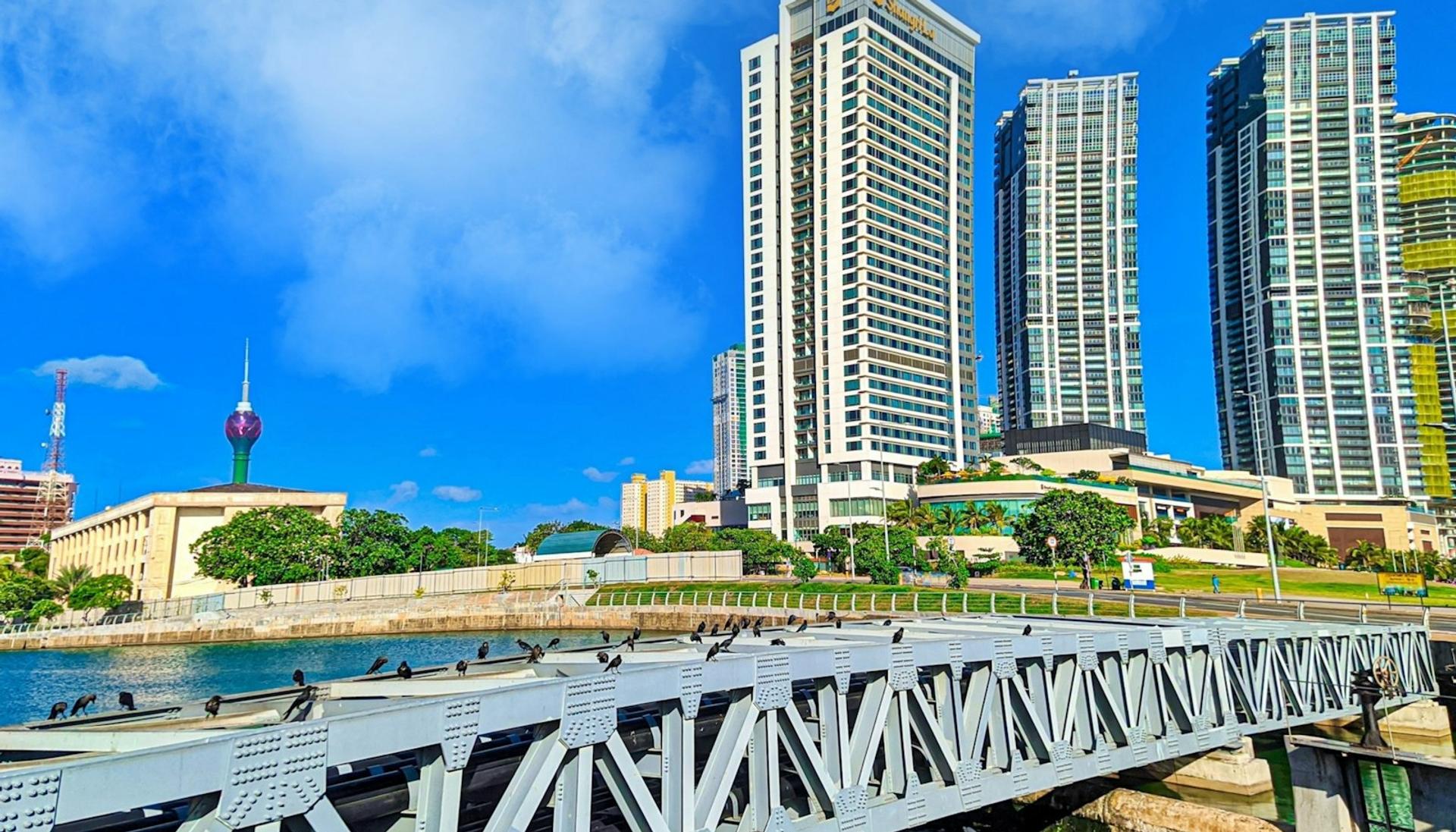
Land scams in Sri Lanka concentrate in and around Colombo, where values are highest, and they specifically target owners who are not physically present. People living abroad for long periods, including Sri Lankan diaspora and foreign investors, are the easiest victims because they cannot regularly check on their property and often rely on agents and powers of attorney. Fraudsters know this and design schemes around absentee owners.
The forged deed and Deed of Declaration trick
The core fraud is the forged or manipulated deed. One common version abuses the Deed of Declaration, a document used to declare ownership of land acquired through informal means such as a gift or longstanding claim. A scammer registers a fraudulent Deed of Declaration in a new folio, which effectively rewrites the recorded owner of the plot, then sells the land to an unsuspecting buyer who believes the paperwork is clean.
The defense: a full title search at the Land Registry, tracing the chain of title back through time, run by your own attorney. A single clean-looking deed is not proof of ownership. The history is.
Fake identity documents
To make a forged deed convincing, scammers create counterfeit National Identity Cards. They take the real owner's NIC details, find a stand-in of a similar age, attach that person's photograph, and match the fake identity to the deed and title abstract. The impostor then poses as the owner to sell.
The defense: independent verification of the seller's identity against the registered owner, not just acceptance of an ID card at face value. Your attorney should cross-check identity, deed, and registry records together.
Power of attorney abuse
Power of attorney is the instrument most often used against owners living overseas. A fraudster obtains or forges a POA and uses it to transfer property belonging to someone abroad. Reporting in Sri Lanka has documented companies forwarding forged deeds and selling land to foreigners to build hotels.
Considering a developer you read about here?
You cannot walk the land from another country. But you can verify the developer. Bektu contacts them on your behalf and sends you a scored report. They never see who asked.
Search and verify any developerMore from Bektu

Stay a step ahead of the wire transfer
Get the occasional note from Bektu on verifying developers before you commit. No noise, just what matters.
We will never share your email. You can opt out at any time.