Sicily vs Algarve: Cheap European Property for Foreigners in 2026
Sicily vs Algarve: Cheap European Property for Foreigners in 2026
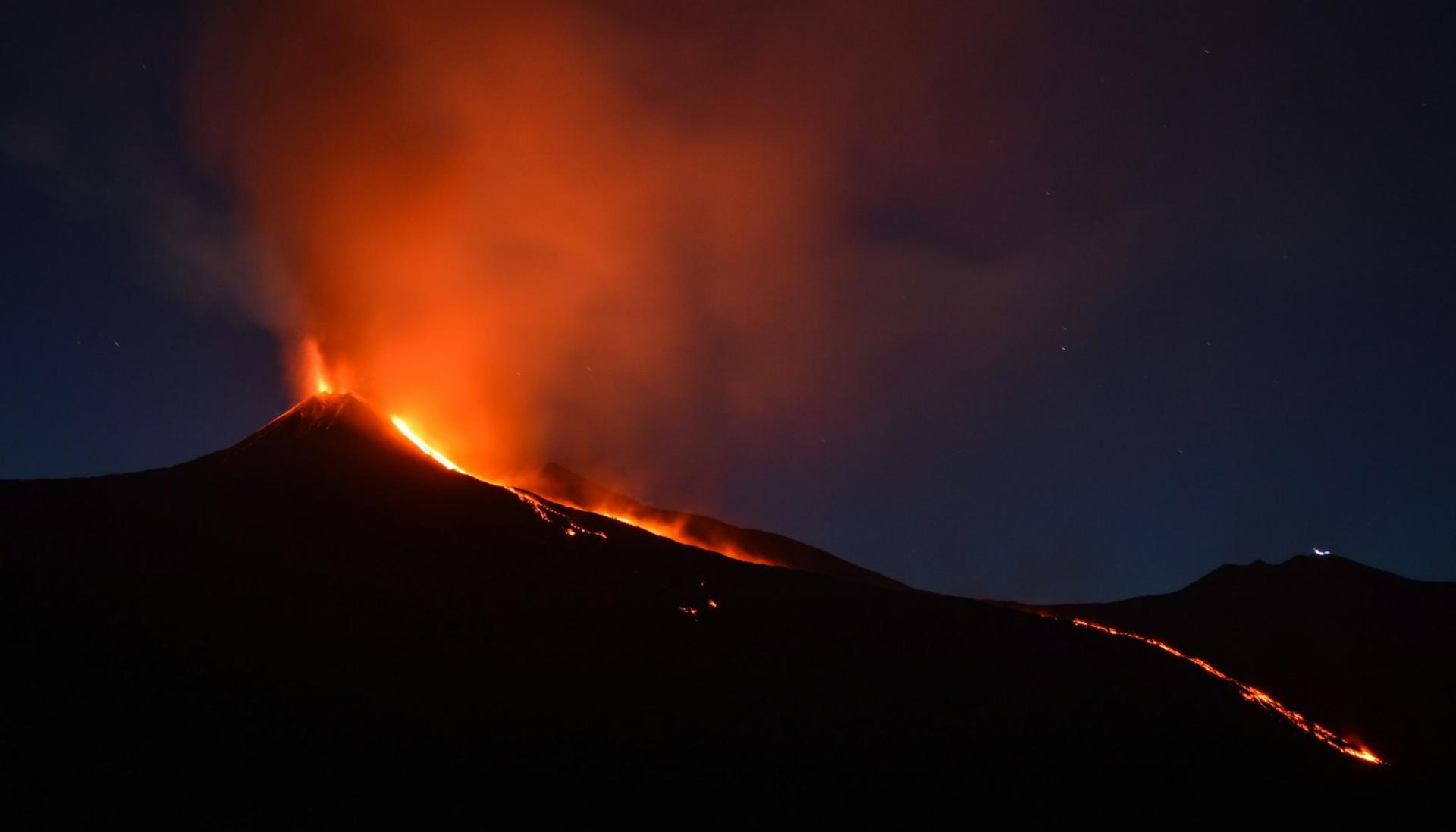
Sicily and the Algarve are the two cheapest mainstream European coastlines for foreign buyers in 2026. Both sit in the EU, both have warm Mediterranean and Atlantic weather, both have direct flights to most of Western Europe, and both have a long-running policy of welcoming foreign property buyers. The differences are in the price floor, the tax stack, the residency options, and how renovation incentives work. This guide compares them on the criteria foreign buyers actually weigh.
Can foreigners buy property in Sicily and the Algarve?
Yes, in both. EU citizens are treated the same as Italian or Portuguese nationals. Non-EU citizens face no general restriction either, though both countries require a tax number before signing (a codice fiscale in Italy under Decree of the President of the Republic No. 605/1973, and a Numero de Identificacao Fiscal or NIF in Portugal under Decree-Law 463/79).
What are average property prices in Sicily versus the Algarve?
Sicily is cheaper. Average residential prices on the Sicilian coast in 2026 run 1,400 to 2,800 EUR per square meter (Agenzia delle Entrate Observatorio del Mercato Immobiliare data). Inland villages routinely fall below 700 EUR per square meter. The Algarve coast averages 3,500 to 5,500 EUR per square meter (Confidencial Imobiliario), with central Algarve towns like Lagos and Tavira at the higher end, and Western Algarve and the interior near Loule at the lower end.
What is the cheapest entry point in each?
In Sicily, the 1-euro house programs in Mussomeli, Sambuca di Sicilia, Castiglione di Sicilia, Bivona, and Cammarata transfer derelict properties for a symbolic 1 EUR plus a binding renovation commitment, typically within three years and with a deposit of 2,500 to 5,000 EUR held by the municipality. In the Algarve, the closest equivalents are rural ruins in inland Loule and Silves at 30,000 to 80,000 EUR, plus the national Programa de Apoio ao Acesso a Habitacao for younger buyers, which is not specific to the Algarve.
What property taxes apply in Sicily?
The main taxes are IMU (Imposta Municipale Unica), IRPEF (income tax on rental income), and cedolare secca (flat 21 percent on long-term residential rentals). IMU exempts the prima casa for residents but applies at 0.86 to 1.06 percent of cadastral value on second homes, holiday homes, and non-resident-owned property. A 9 percent registration tax applies on second-home purchases of non-luxury properties, or 2 percent if the buyer makes the property their primary residence within 18 months under Article 1, Note II-bis of the Tariff annexed to Presidential Decree 131/1986.
What property taxes apply in the Algarve?
The main taxes are IMI (Imposto Municipal sobre Imoveis), IMT (Imposto Municipal sobre as Transmissoes Onerosas de Imoveis) at purchase, and Imposto do Selo (stamp duty). IMI ranges from 0.3 to 0.45 percent of the taxable value for urban property, and 0.8 percent for rural land. IMT applies at a sliding scale from zero to 7.5 percent on residential purchases, with the top rate reaching 10 percent above 1 million EUR. Stamp duty is 0.8 percent of the purchase price.
Which has higher transaction costs?
The Algarve is more expensive on entry, Sicily more expensive in annual taxes on a second home. A 200,000 EUR purchase in Sicily by a non-resident attracts roughly 18,000 to 22,000 EUR in transaction costs (9 percent registration tax, notary, agency, lawyer). The same purchase in the Algarve costs around 12,000 to 16,000 EUR (IMT, IMI, stamp duty, notary). Over a five-year hold without rental income, Sicily IMU at around 1,200 EUR per year compares to Algarve IMI at around 600 EUR.
How does rental income taxation compare?
In Sicily, long-term residential rental income can be taxed at the 21 percent cedolare secca flat rate under Article 3 of Legislative Decree 23/2011, instead of regular progressive IRPEF up to 43 percent. Short-term rentals were unified under the 26 percent flat rate for owners renting more than one apartment under Decree-Law 145/2023.
In the Algarve, rental income is taxed at a 25 percent flat rate for non-residents under Article 72 of the IRS Code, or progressive rates from 14.5 to 48 percent for residents. Local lodging income (alojamento local, AL) is the relevant regime for short-term rentals, with mandatory registration with Turismo de Portugal.
What is the short-term rental status in each?
Sicily has the CIN (Codice Identificativo Nazionale) under Decree-Law 145/2023, which every short-term rental must display, and the regional CIR (Codice Identificativo Regionale) administered by Regione Siciliana. There are no general bans, but several municipalities (Cefalu, Taormina, Syracuse historic center) tightened approval for new units.
The Algarve has had a moratorium on new alojamento local licenses in many central Algarve municipalities (Albufeira, Lagos, Tavira, Olhao) since the Mais Habitacao reform in 2023 (Law 56/2023). The Algarve was partly exempted from the strictest national restrictions in the December 2024 revision under Law 41/2024, restoring transferability of existing licenses with the property.
What residency options exist for foreign buyers in Sicily?
Italy does not have a residency-by-real-estate visa. The closest path for retirees is the Elective Residence Visa (Visto per Residenza Elettiva), which requires demonstrated passive income of around 38,000 EUR per year for a single applicant and adequate accommodation in Italy. Sicily also benefits from the 7 percent flat tax regime for foreign retirees who move to municipalities under 20,000 inhabitants in the south under Article 24-ter of the Income Tax Code (TUIR).
What residency options exist for foreign buyers in the Algarve?
Portugal has the Digital Nomad Visa (D8), the Passive Income Visa (D7), and the Highly Qualified Activity Visa (D3). The Golden Visa was reformed in October 2023 by Law 56/2023 and no longer accepts real estate purchases as a qualifying investment, but capital-investment paths remain (500,000 EUR in qualifying funds, scientific research, or job creation). The Algarve is a popular base for D7 and D8 holders for the climate and English-speaking ecosystem.
Ask Bektu
Still have a question about this article?
Answers come from the records on file, with links to every source.
Considering a developer you read about here?
You cannot walk the land from another country. But you can verify the developer. Bektu contacts them on your behalf and sends you a scored report. They never see who asked.
Search and verify any developerMore from Bektu

Stay a step ahead of the wire transfer
Get the occasional note from Bektu on verifying developers before you commit. No noise, just what matters.
We will never share your email. You can opt out at any time.