Sicily 1 Euro House Programs: What Foreign Buyers Actually Need to Know in 2026
Sicily 1 Euro House Programs: What Foreign Buyers Actually Need to Know in 2026
The premise is irresistible: buy a house in a sun-drenched Sicilian hill town for one euro, renovate it, and live the Mediterranean dream. Hundreds of foreign buyers have done exactly that over the past several years. Some are thrilled. Others are still waiting for their building permits, arguing with contractors, or staring at a ruin they cannot legally modify. The 1 euro house programs are real, they work, and they can be a genuinely good deal. But the gap between the headline and the reality is wide enough to swallow your savings if you go in uninformed.
Which Towns Still Offer 1 Euro Houses
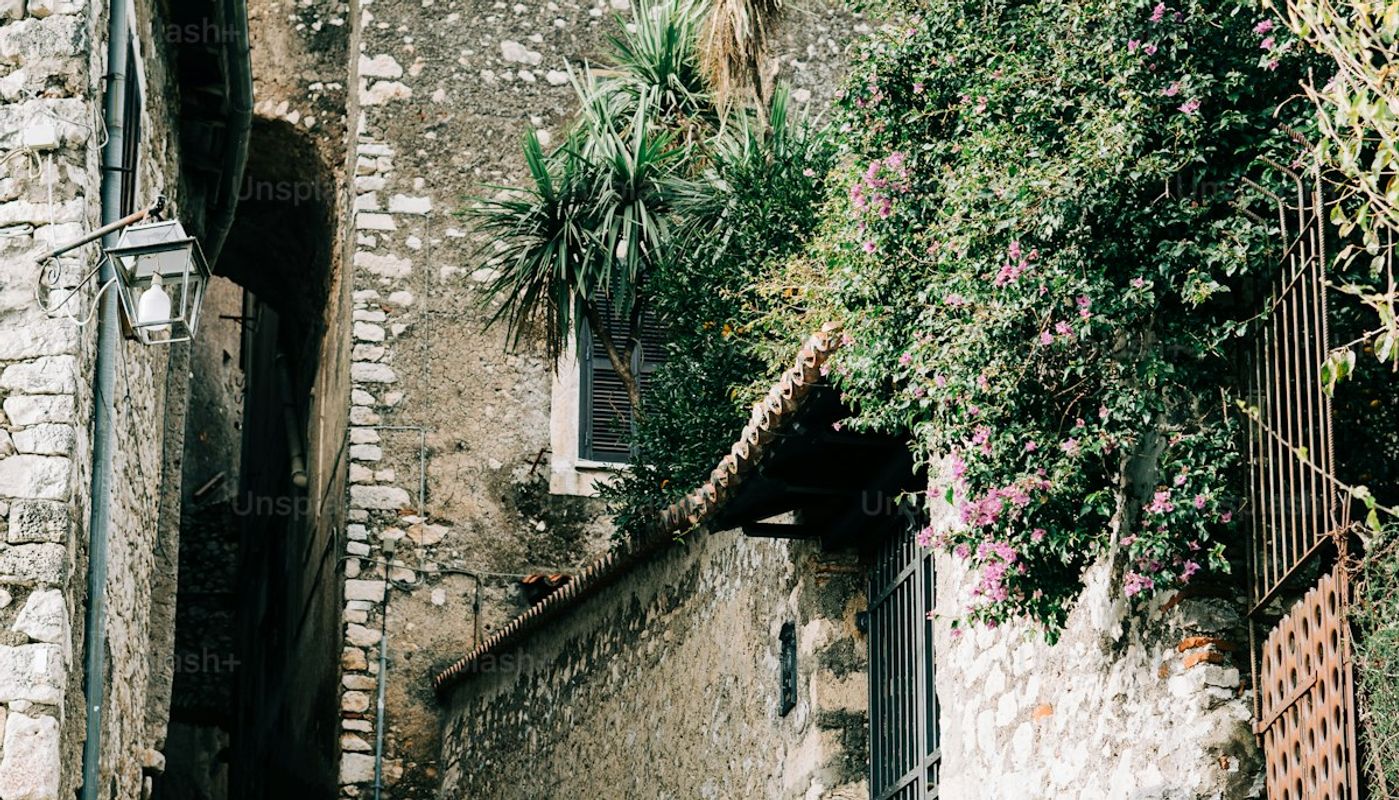
As of 2026, several Sicilian municipalities continue to run active programs. The most established are Sambuca di Sicilia in the province of Agrigento, Mussomeli in the province of Caltanissetta, and Gangi in the province of Palermo. Troina, in the province of Enna, also runs a program, as do Castiglione di Sicilia (province of Catania, on the slopes of Etna) and Bivona (another Agrigento province town).
Each program is run directly by the Comune (municipality). There are no private developers involved. The town council identifies abandoned properties, often by tracking down absent owners or heirs and convincing them to donate the properties to the municipality. The Comune then offers these properties to buyers at the symbolic price of one euro, with renovation conditions attached.
You apply directly through the Comune. Sambuca di Sicilia provides application details on its municipal website. Mussomeli has its own portal at comune.mussomeli.cl.it. Gangi's program details are available through comune.gangi.pa.it. Troina operates through comune.troina.en.it. For Castiglione di Sicilia, check comune.castiglionedisicilia.ct.it.
The application process varies but generally involves submitting a proposal that describes who you are and what you plan to do with the property. Some towns prioritize applicants who commit to living in the property full-time, while others are happy with holiday home renovations. Competition for the best-located properties is real. The houses that need less work and sit on prettier streets go fast.
The Real Cost Structure
The one euro purchase price is genuine but almost irrelevant. It is the smallest expense you will face. Here is what actually costs money.
The fideiussione or cauzione (security deposit) of 5,000 euros is required by most participating municipalities at the time of purchase. This deposit guarantees that you will complete the renovation within the agreed timeframe. It is refundable upon completion, but only if you meet the deadline and satisfy the Comune's technical office that the work meets the requirements specified in your renovation proposal. If you fail to complete on time, you forfeit the deposit. Some towns have extended deadlines for buyers who demonstrate good faith progress, but this is at the Comune's discretion, not your right.
Notaio fees for the deed of sale will run 1,500 to 3,000 euros. The registration tax (imposta di registro) under D.P.R. 131/1986 applies even on a one euro sale, though the amount is minimal because it is calculated on the cadastral value. You will also pay for the visura catastale and visura ipotecaria (cadastral and lien searches), though these are small fees.
Then come the renovation costs, and this is where the real financial commitment lives.
Renovation: The 15,000 to 150,000 Euro Reality
The renovation obligation is typically stated as a minimum spend of 15,000 euros within three years, though the exact terms vary by town. Mussomeli originally set a one-year deadline for renovation, later extended. Most other towns allow three years. The minimum spend sounds manageable. The actual cost of making a crumbling Sicilian stone house habitable is another story entirely.
At the low end, if you are buying a structurally sound building that needs new windows, a bathroom, a kitchen, basic electrical and plumbing, and a roof repair, you are looking at 40,000 to 60,000 euros. This assumes the structure itself is solid, the foundations are good, and you are not dealing with significant water damage or structural cracks.
At the higher end, if the building needs a new roof, structural reinforcement, complete rewiring and replumbing, new floors, and interior finishing, expect 80,000 to 150,000 euros. Properties in seismic zones (which includes much of inland Sicily) may require adeguamento sismico (seismic retrofitting) under the Testo Unico Edilizia (D.P.R. 380/2001), which adds significant cost.
These numbers assume you hire a local impresa edile (construction firm). Labor costs in Sicily are lower than in northern Italy, but materials must often be transported to remote hill towns on narrow roads, which adds to the bill. Some foreign buyers have attempted to do renovation work themselves to save money. Structural and systems work must be done by licensed professionals under Italian law, and the Comune will require sign-off from qualified technicians before returning your deposit.
The Bureaucratic Gauntlet
Before you can start any renovation work, you need the proper authorization from the Comune's ufficio tecnico (technical office). Depending on the scope of work, this will be either a SCIA (Segnalazione Certificata di Inizio Attivita), which is a certified notification for lighter renovations, or a full permesso di costruire (building permit) for more substantial structural work. Both are regulated under D.P.R. 380/2001.
To obtain either, you need a geometra (surveyor) or an architect to prepare the technical documentation, including drawings of the existing structure and the proposed renovations. The geometra will also check the property's urbanistic conformity, comparing the actual building against the records at the Catasto (cadastral registry) and the Comune's planning records.
This is where many foreign buyers hit their first serious obstacle. A significant percentage of properties in Sicily's interior towns have some degree of abusivismo edilizio (unauthorized construction). Previous owners may have added rooms, enclosed balconies, or modified structures without obtaining permits. If the property you bought for one euro has unauthorized modifications, you cannot simply renovate around them. You need to resolve the irregularities first, either through a sanatoria (legalization application) or by demolishing the unauthorized portions.
The sanatoria process, where applicable, requires filing an application under one of Italy's three condono edilizio laws (L. 47/1985, L. 724/1994, or L. 326/2003), paying an oblazione (administrative fee), and waiting for the Comune to process the application. In some Sicilian comuni, condono applications filed in the 1980s and 1990s are still pending. Your three-year renovation clock is ticking while you wait.
Working with Sicilian Construction Firms
Finding reliable construction firms in rural inland Sicily is not like hiring a contractor in Palermo or Catania. The pool of available imprese edili is smaller, and many are fully booked, especially in towns where dozens of 1 euro house buyers are all trying to renovate simultaneously.
Get recommendations from your geometra, who will know the local firms and their reputations. Get written preventivi (quotes) from at least three firms. Insist on a contratto d'appalto (construction contract) that specifies the scope of work, timeline, payment schedule, and penalties for delay. Pay in installments tied to completion milestones, never the full amount upfront.
Language can be a barrier. Many construction workers in inland Sicily speak only Italian and Sicilian dialect. If your Italian is limited, your geometra or a local translator will be essential for clear communication with your construction team.
Ongoing Costs After Renovation
Once your renovation is complete and you have obtained the certificato di agibilita (habitability certificate), ongoing costs are relatively modest by European standards. IMU (Imposta Municipale Unica), the annual property tax, is charged by the Comune at rates that vary but are generally low in small towns. TARI, the waste collection tax, also applies. Utility connections for electricity (ENEL), gas, and water need to be established, and the connection fees for remote properties can occasionally be substantial if new infrastructure is needed.
If you plan to rent the property as a holiday home, you will need to register with the Comune and the regional tourism authority. Short-term rental income is taxable under Italian law, either through the cedolare secca flat tax regime or ordinary IRPEF rates.
Success Stories and Cautionary Tales
The 1 euro house programs have produced genuine success stories. In Sambuca di Sicilia, several foreign buyers have completed beautiful renovations and integrated into the community. Mussomeli has attracted a notable number of British and American buyers who have turned one euro purchases into functioning homes and small guesthouses. These programs have brought money, attention, and new residents to towns that were slowly dying.
But there are also buyers who are years into the process with unfinished renovations, blown budgets, and expired deadlines. The most common problems are underestimating renovation costs by 50% or more, not budgeting time for permit delays, and discovering abusivismo issues after purchase that must be resolved before renovation can begin.
The difference between success and frustration usually comes down to preparation. Buyers who visited the town before applying, hired a local geometra to inspect properties before choosing one, budgeted conservatively with a 30% contingency, and committed to regular site visits during renovation tend to be happy with the outcome. Buyers who applied online, picked a property from photos, hired the cheapest contractor, and expected everything to go smoothly tend to be disappointed.
The Bottom Line
A 1 euro house in Sicily is not a bargain property purchase. It is a commitment to a renovation project in a small Italian town with all the bureaucratic, logistical, and financial complexity that entails. If you go in with realistic expectations, a proper budget of 50,000 euros minimum for a modest renovation, a good geometra, and patience, you can end up with a beautiful home in one of the most extraordinary landscapes in Europe at a fraction of what comparable property would cost in Taormina or Palermo. Just do not confuse the one euro price tag with the total cost. Before committing, use resources like Bektu to research property records and understand what you are getting into. The dream is real, but it comes with a price tag considerably higher than one euro.
Sign up to read the rest
Create a free account to keep reading. It only takes a minute.
Considering a developer you read about here?
You cannot walk the land from another country. But you can verify the developer. Bektu contacts them on your behalf and sends you a scored report. They never see who asked.
Search and verify any developerMore from Bektu
Stay a step ahead of the wire transfer
Get the occasional note from Bektu on verifying developers before you commit. No noise, just what matters.
We will never share your email. You can opt out at any time.