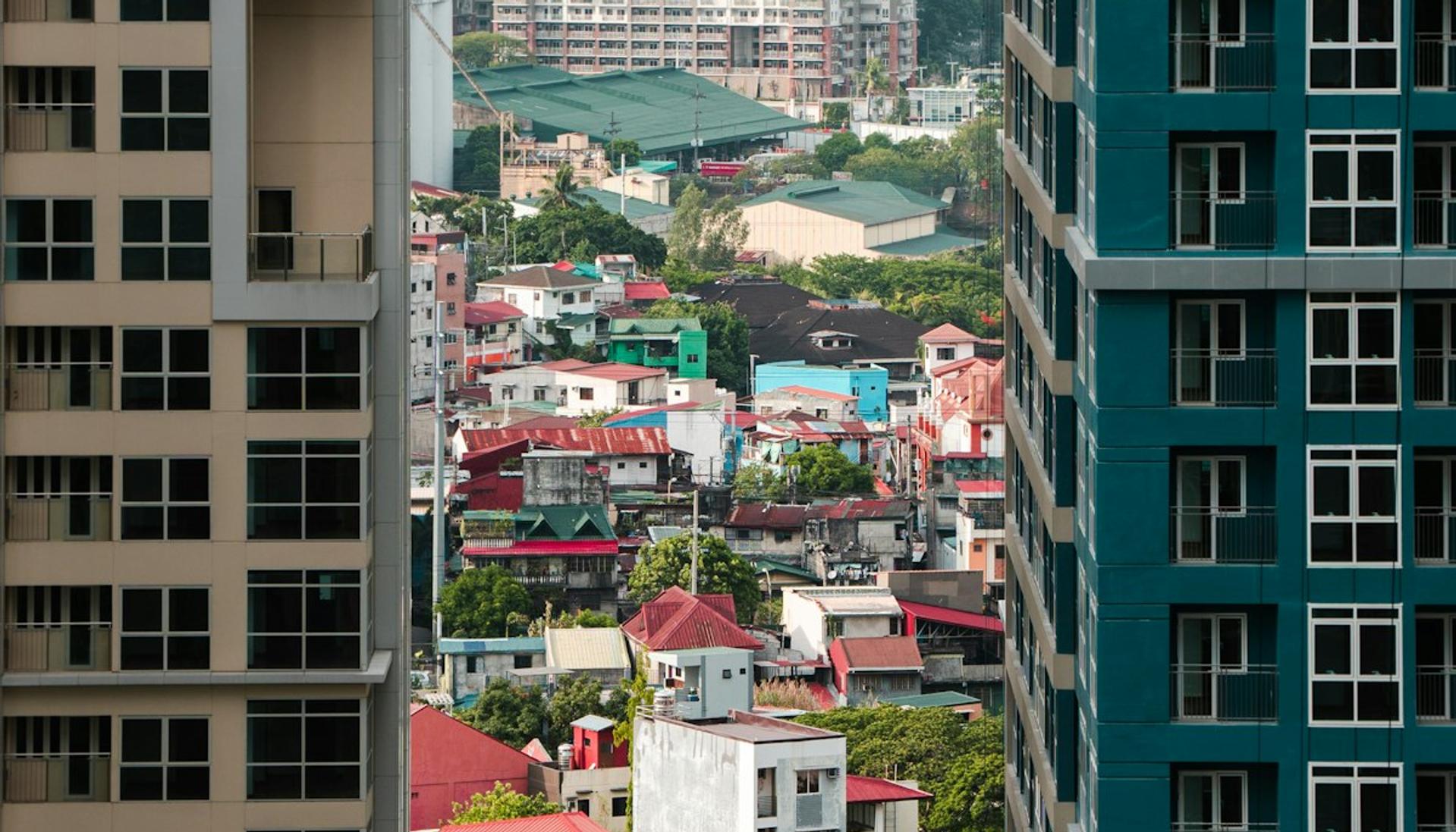
Complete Property Buying Process in the Philippines for Foreigners Step by Step
Buying a condominium in the Philippines as a foreigner involves a defined sequence of legal steps, government filings, and tax payments. The process is not complicated, but it is sequential. Missing a step or filing in the wrong order creates delays that can stretch from weeks to months.
This guide covers every step from initial reservation to holding your Condominium Certificate of Title.
Step 1: Reservation Agreement
The buying process begins with a Reservation Agreement. This is a short document (typically 1 to 3 pages) where the buyer pays a reservation fee to hold a specific unit. Reservation fees for Philippine condos typically range from PHP 20,000 to PHP 50,000 for mid-market units, and PHP 50,000 to PHP 200,000 for premium developments.
The Reservation Agreement is not the Contract to Sell. It secures the unit for a limited period (usually 30 days) while the buyer completes due diligence and the developer prepares the Contract to Sell.
Documents required from the foreign buyer at this stage: Valid passport (the primary identification document for foreigners in all Philippine real estate transactions). Proof of billing address (foreign address is acceptable). For some developers, proof of income or financial capacity.
At this stage, confirm with the developer that the building has not reached the 40% foreign ownership cap under RA 4726.
Step 2: Contract to Sell (CTS)
Within 30 days of the reservation, the developer issues the Contract to Sell. The CTS is the binding legal agreement that governs the purchase. It specifies the unit details, total contract price, payment schedule, turnover date, penalties for late payment, and developer obligations.
Under PD 957, the CTS must be registered with the Department of Human Settlements and Urban Development (DHSUD). This registration protects the buyer in case the developer fails to deliver.
Key CTS provisions foreign buyers should review carefully: The exact unit number and floor area (measured in square meters, not square feet). The payment schedule, including any escalation clauses. The projected turnover date and penalties for developer delay. The developer's obligations for completing common areas and amenities. Provisions for cancellation and refund.
Have a Philippine-licensed attorney review the CTS before signing. Attorney fees for CTS review typically range from PHP 10,000 to PHP 30,000.
Step 3: Payment Period
For pre-selling units, the payment period typically runs 3 to 5 years. Payment structures vary by developer but generally follow this pattern: a down payment of 10% to 30% of the total contract price, payable in monthly installments over 12 to 60 months; and the balance (70% to 90%) due at turnover through cash payment, bank financing, or developer in-house financing.
Foreign buyers paying from overseas accounts should ensure remittances are properly documented. The Bangko Sentral ng Pilipinas (BSP) requires inward remittance documentation for amounts above USD 10,000. Proper documentation at this stage is critical for two reasons: it establishes the legitimate source of funds for anti-money laundering compliance, and it facilitates future repatriation of funds if the property is sold.
Make all payments through the developer's official bank accounts. Request official receipts for every payment. Never pay through individual sales agents.
Step 4: Unit Turnover and Inspection
When construction is complete, the developer issues a Notice of Turnover (also called Notice of Unit Acceptance or Delivery). The buyer has a limited window (typically 7 to 30 days) to inspect the unit and submit a punch list of defects.
The punch list inspection is critical. Document every defect with photos and written descriptions. Common issues include paint defects, tile alignment problems, plumbing leaks, electrical issues, and deviations from the approved floor plan.
Under PD 957, the developer is obligated to remedy construction defects. Submit the punch list in writing to the developer's customer service department and retain a copy with acknowledgment of receipt.
Once the buyer accepts the unit (or after the developer remedies punch list items), the buyer signs the Unit Acceptance Form.
Step 5: Deed of Absolute Sale (DOAS)
After full payment and unit acceptance, the developer executes the Deed of Absolute Sale. The DOAS is the legal document that transfers ownership from the developer to the buyer. It must be notarized by a Philippine notary public.
The DOAS contains the complete terms of the sale, including the final contract price, payment confirmation, unit description, and any warranties. For foreign buyers, the DOAS should include a statement confirming that the buyer is a foreign national purchasing a condominium unit within the 40% foreign ownership limit.
Notarization fees for the DOAS are regulated and typically amount to 1% to 2% of the contract price, with a cap specified by the Supreme Court's schedule of notarial fees.
Ask Bektu
Still have a question about buying in the Philippines?
Answers come from the records on file, with links to every source.
Considering a developer you read about here?
You cannot walk the land from another country. But you can verify the developer. Bektu contacts them on your behalf and sends you a scored report. They never see who asked.
Search and verify any developerMore from Bektu

Stay a step ahead of the wire transfer
Get the occasional note from Bektu on verifying developers before you commit. No noise, just what matters.
We will never share your email. You can opt out at any time.