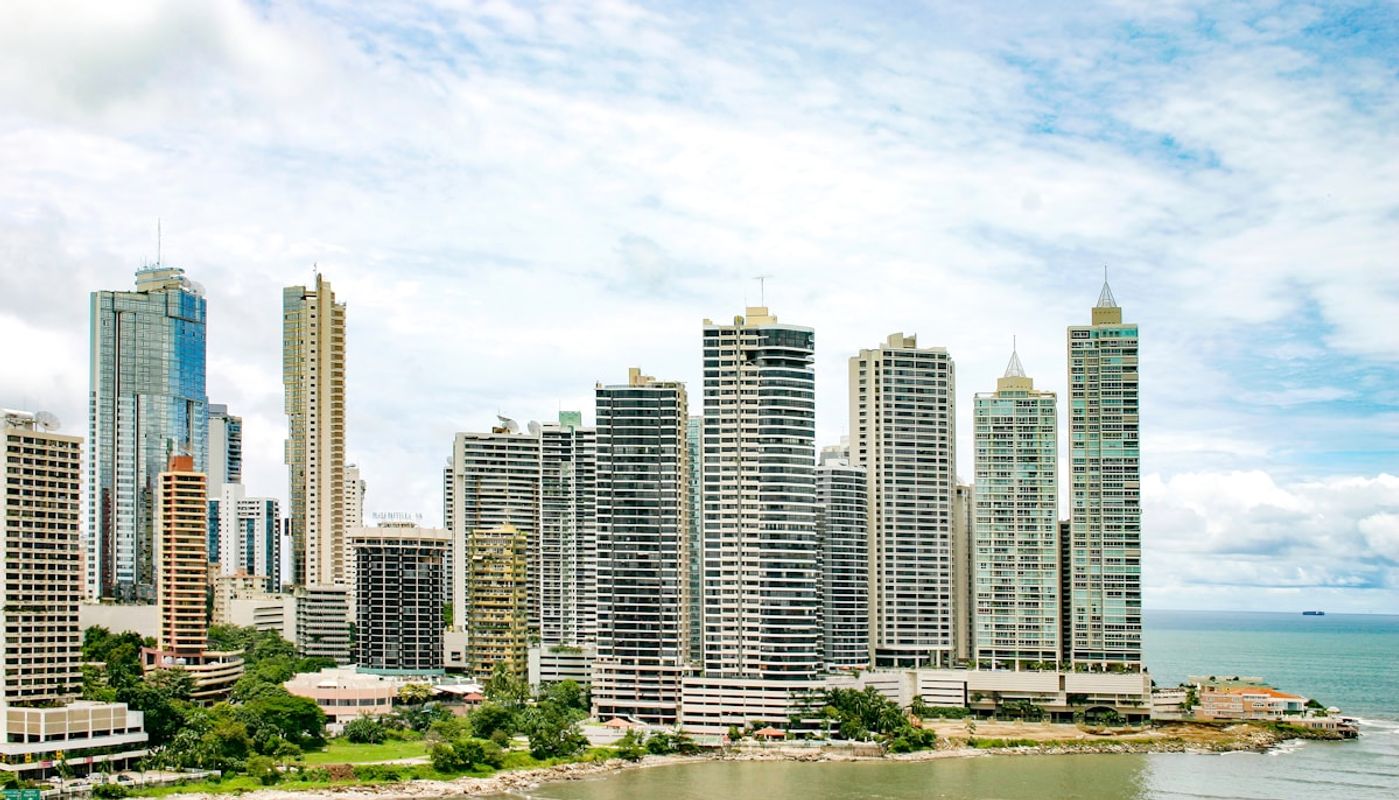
Panama Real Estate Scams: What Foreign Buyers Need to Know
Panama Real Estate Scams: What Foreign Buyers Need to Know
Panama's property market is accessible, dollar-denominated, and legally friendly to foreign buyers. These qualities attract both legitimate investors and people looking to exploit them. The Ministerio Publico recorded over 5,100 fraud complaints nationwide from January to October 2025, and property-related fraud is a significant subset.
The scams in Panama follow specific patterns tied to the country's unique property system. The titled vs. right-of-possession distinction, the maritime zone, and the informal development market in tourist areas create vulnerabilities that do not exist in more regulated markets.
Right-of-Possession Sold as Titled Property
This is the most financially devastating scam in Panamanian real estate. A seller presents a property as titled when it is actually right-of-possession (ROP) land. The buyer pays a price appropriate for titled property, only to discover they have purchased a possession claim with no Registro Publico registration.
How it works: The seller may have a notarized document, a local government (corregimiento) certificate, or a "sale agreement" that looks official. None of these are title documents. The buyer, unfamiliar with Panama's property system, accepts these documents as proof of ownership. The transaction may even be processed through a notary, which lends an appearance of legitimacy but does not create title.
Why it works: Many foreign buyers do not understand the difference between titled and ROP property. The buyer may not have a lawyer or may be using the seller's lawyer (a conflict of interest). In tourist areas like Bocas del Toro, the excitement of buying a "dream property" overrides due diligence.
How to prevent it: Before paying anything, ask for the finca number. If the seller cannot provide one, the property is not titled. Have your independent lawyer conduct a Registro Publico search using the finca number. If the property is ROP and you still want to buy it, understand that you are buying a possession claim at a significantly lower price than titled property, and factor in the cost and uncertainty of the titulacion process.
Double-Selling and Competing Claims
In areas with ROP land, the same property has been sold to multiple buyers simultaneously. Because ROP transactions are not registered at the Registro Publico, there is no central record to prevent this.
Bocas del Toro has earned a particularly poor reputation for this scam. Reports have documented cases where the same parcel was sold to three or four different foreign buyers, each of whom believed they were the sole purchaser. Resolving competing claims requires litigation in Panamanian courts, which can take years and may not result in the buyer recovering their investment.
How to prevent it: Buy titled property. If buying ROP, conduct a thorough investigation through the corregimiento and physically visit neighboring properties to confirm the seller's claim. Insist on a title insurance policy if available.
Developer and Pre-Construction Fraud
Panama does not have a mandatory escrow or bank guarantee requirement for off-plan deposits. When you pay a deposit on a pre-construction property, the money goes directly to the developer. If the developer becomes insolvent, absconds, or simply never completes the project, your deposit may be unrecoverable.
Common patterns: Developers collecting deposits from multiple buyers, building show units, then abandoning the project. Developers completing construction but failing to register the condominium at the Registro Publico, leaving buyers with no title. Developers selling more units than the building contains, particularly in smaller projects outside Panama City.
How to mitigate: Buy in completed buildings where titles have been issued. If buying pre-construction, verify the developer's track record of completed and titled projects. Structure payments so the majority is held in escrow or paid only at title transfer. Insist on contractual protections for deposit return if the project is not completed by a specified date.
Maritime Concession Misrepresentation
Properties within Panama's 22-meter maritime zone (measured from the high-tide line) are government land. Developments in this zone operate under concessions, not ownership. Some sellers market concession properties as "beachfront ownership," which is misleading.
The risk: If the concession expires and is not renewed, you lose the property and any improvements. Concession terms and renewal conditions vary, and the government has discretion in renewal decisions.
How to verify: Check whether the property is above or within the maritime zone. If within, confirm the concession terms, remaining duration, renewal history, and transferability. This information should be available through your lawyer.
Unauthorized Practice of Law
Some "facilitators" or "relocation agents" in Panama offer to handle property transactions without being licensed attorneys. They may charge lower fees than lawyers but provide none of the professional accountability, insurance, or regulatory oversight that licensed attorneys offer.
How to avoid: Verify that your lawyer is registered with the Colegio Nacional de Abogados de Panama. Ask for their license number and confirm it independently.
Tax and Entity Scams
Some advisors recommend buying property through a Panamanian corporation (S.A.) for "tax optimization" or "privacy." While there are legitimate reasons to use corporate structures (particularly for the border zone restriction), some advisors create unnecessarily complex structures that generate ongoing fees without providing meaningful benefits.
How to evaluate: Ask your lawyer to explain exactly what tax or legal benefit the corporate structure provides. Get a second opinion if the explanation is vague or if the annual maintenance costs seem disproportionate to the property value. For most straightforward property purchases in Panama City, individual ownership is simpler and cheaper.
For a comprehensive overview of Panama's property market and legal framework, Bektu's Panama country guide covers due diligence steps and risk areas.
Sign up to read the rest
Create a free account to keep reading. It only takes a minute.
Considering a developer you read about here?
You cannot walk the land from another country. But you can verify the developer. Bektu contacts them on your behalf and sends you a scored report. They never see who asked.
Search and verify any developerMore from Bektu
Stay a step ahead of the wire transfer
Get the occasional note from Bektu on verifying developers before you commit. No noise, just what matters.
We will never share your email. You can opt out at any time.