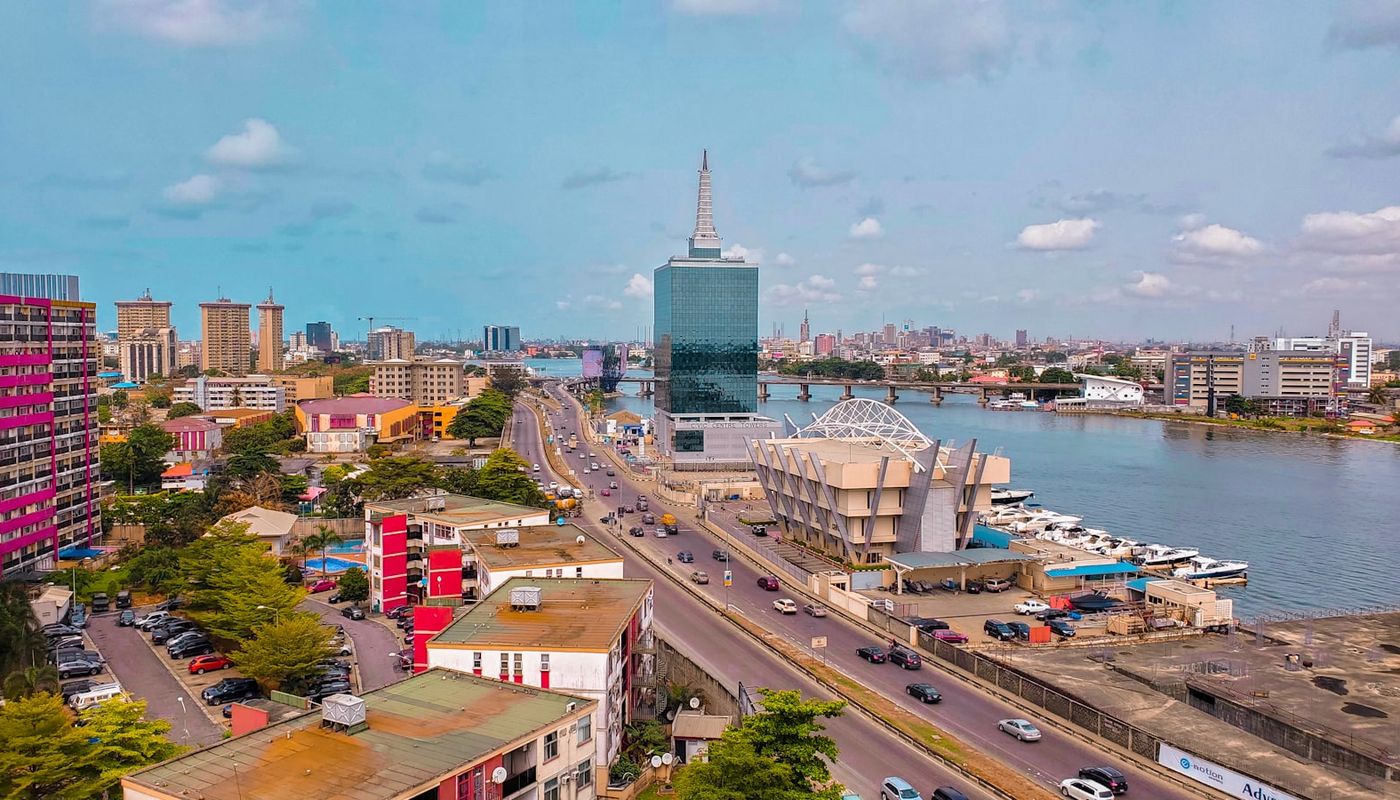
Excision and Gazette in Lagos Explained: How to Check If Land Is Free from Government Acquisition
Buying land in Lagos without checking its acquisition status is the single most expensive mistake a diaspora buyer can make. A plot can have a survey plan, a fence, and a confident seller, and still belong to the Lagos State Government on paper. The two words that decide whether you actually own anything are excision and gazette. This guide explains both, and how to verify them before money changes hands.
What is excision in Lagos land?
Excision is the formal process by which the Lagos State Government releases a portion of land back to the original families or communities that owned it before government acquisition. Under the Land Use Act of 1978, all land in each state is vested in the Governor, who holds it in trust for the people. Excision is the legal mechanism that carves out a defined area from that government hold and returns it to indigenous owners, giving them the right to sell it.
A plot that sits inside an excised area can be legally bought and registered. A plot that has not been excised remains government land, no matter who is selling it to you.
What is a gazette in Lagos real estate?
A gazette is the official Lagos State Government publication that records which villages and land areas have been excised. When the government approves an excision, it publishes the details, including the village name, the size in hectares, and the survey coordinates, in the Lagos State Official Gazette. That published entry is your proof that the land was legally released from acquisition.
When sellers say a property is "gazetted," they mean the excision has been recorded in this document. The gazette carries a number and a year, and you should always ask for both so the entry can be checked.
Why is most land in Lagos under government acquisition?
Most Lagos land is under government acquisition because the Land Use Act of 1978 transferred control of all land to the State, and Lagos formally acquired large areas for public planning before and after that law. These acquisitions fall into two groups. Committed acquisitions are reserved for specific public projects such as roads, drainage, or government schemes, and these are almost never released. General or uncommitted acquisitions are areas the government holds but may release to original families through excision.
This is why two plots on the same street can have completely different fates. One may fall inside an excised village and be sellable, while the next sits inside a committed acquisition and can be revoked at any time.
How do I check if land is excised and gazetted?
You verify excision and gazette through the Lagos State Surveyor-General's Office and the State Land Registry, not through the seller. The core step is a charting exercise. You take the property's survey plan to the Office of the Surveyor-General, where staff plot the coordinates against the official acquisition map. The charting result tells you whether the land falls inside an excised area, inside a committed government acquisition, or inside an uncommitted zone.
If the seller claims the land is gazetted, ask for the gazette number and year, then confirm that the village named in the gazette matches the village where the plot actually sits. A gazette for a different village a few kilometres away does not cover your plot.
What does the Surveyor-General's charting tell me?
The Surveyor-General's charting confirms three things at once: whether the survey plan is genuine, whether its coordinates match the physical land, and whether that land sits under government acquisition. This single check is the most important verification in a Lagos land purchase. A charting report that comes back "free from government acquisition" or "within excised area" is the green light. A report that reads "within committed acquisition" means walk away.
Charting also exposes a common fraud where a real survey plan for safe land is paired with a different, unsafe plot on the ground. Because the coordinates are tied to exact positions, the office can catch the mismatch.
Can I get a Certificate of Occupancy on excised land?
Yes, land that has been excised and gazetted can qualify for a Certificate of Occupancy, because excision is what makes the land legally available for private title. After excision, families and their buyers can apply to the Lagos State Government for a Certificate of Occupancy, which is the strongest individual title document the State issues. Land still under acquisition cannot receive a valid C of O, so a C of O offered on unexcised land is a warning sign.
In practice, many genuine plots are sold on the strength of a registered survey and the village gazette while the C of O application is processed, which can take time and fees.
What happens if I buy land under government acquisition?
If you buy land that is still under government acquisition, you have no enforceable title and the government can repossess the land without compensation to you. Your money goes to a seller who never had the right to transfer ownership. Recent enforcement actions in Lagos, including the sealing and demolition of estates built inside acquisition and setback areas, have left diaspora buyers with structures they cannot legally keep.
There is no easy recovery. The State owes you nothing because the seller, not the government, took your money, and tracing that seller across borders is difficult and slow.
Is gazette or C of O the stronger title?
A Certificate of Occupancy is the stronger and more individual title, while a gazette establishes that the broader area is free from acquisition. Think of the gazette as proof that the village or area was released to the people, and the C of O as proof that a specific plot has been granted to a specific holder. A gazette covers many plots collectively, so on its own it does not prove that your exact plot has been allocated to your seller.
The safest position is a plot inside a gazetted excision that also carries a registered deed and, ideally, a C of O or a Governor's consent on the transfer to you.
How much does excision verification cost and how long does it take?
A professional search and charting through the Surveyor-General's Office and Land Registry typically costs a modest professional and official fee through a licensed surveyor or property lawyer, and the charting result usually returns within one to two weeks. This is small money against the price of the land, and skipping it is what turns a good deal into a total loss.
Bektu was built so diaspora buyers can see this kind of verification status on a developer or plot before committing, instead of relying on a seller's word. The principle is simple: confirm excision and gazette first, pay second.
Sources
- Land Use Act, Laws of the Federation of Nigeria
- Land Excision in Lagos, Landsng
- C of O vs Excision vs Gazette, Understanding Land Titles in Lagos, BellaNaija
Sign up to read the rest
Create a free account to keep reading. It only takes a minute.
Considering a developer you read about here?
You cannot walk the land from another country. But you can verify the developer. Bektu contacts them on your behalf and sends you a scored report. They never see who asked.
Search and verify any developerMore from Bektu


Stay a step ahead of the wire transfer
Get the occasional note from Bektu on verifying developers before you commit. No noise, just what matters.
We will never share your email. You can opt out at any time.