Nairobi vs Mombasa for Property Investment in 2026
Nairobi and Mombasa are Kenya's two biggest property markets, but they attract very different buyers and run on different fundamentals. Nairobi is a corporate capital with deep rental demand and a glut of new apartments. Mombasa is a coastal and tourism economy where lifestyle and diaspora money drive prices. This comparison puts the two side by side on ownership rules, prices, yields, taxes, and the risks foreign buyers should weigh in 2026.
Can foreigners buy property in both Nairobi and Mombasa?
Yes, foreigners can buy property in both cities on the same terms, because ownership rules are national, not local. Under Article 65 of the Constitution of Kenya 2010, non-citizens are limited to leasehold tenure of up to 99 years anywhere in the country, and cannot hold freehold or agricultural land in either city. Most foreign buyers in both markets purchase apartments under the Sectional Properties Act 2020.
What are property prices like in Nairobi versus Mombasa?
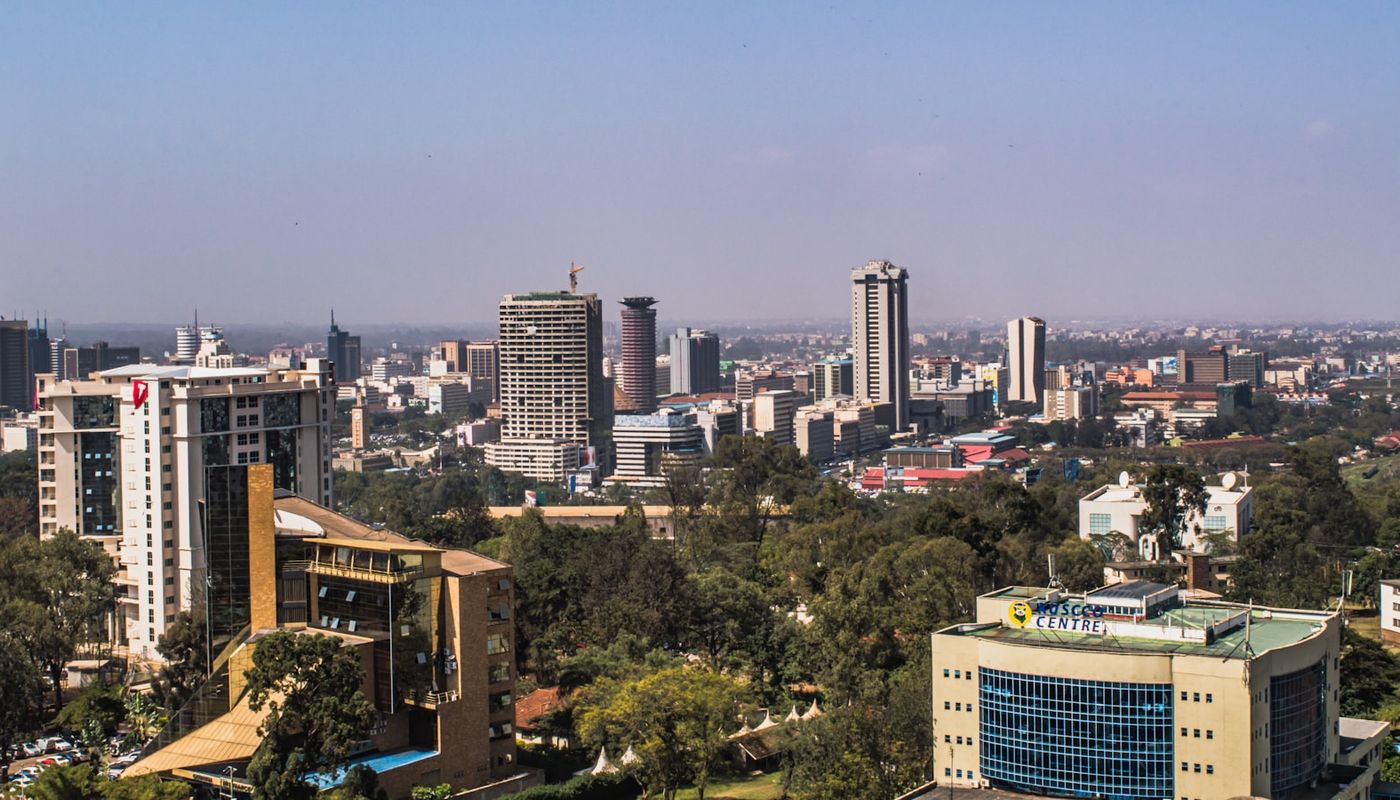
Nairobi commands higher prices in its prime suburbs, with a quality apartment in a good area costing in the region of USD 1,200 per square metre, while Mombasa's coastal units vary widely with location and sea access. Nairobi's premium suburbs such as Westlands, Kileleshwa, and Parklands actually saw prices fall 7% to 11.5% recently as years of construction created oversupply. That correction has made parts of Nairobi better value than they were, while prime beachfront in Mombasa and the wider coast holds its premium because supply is more limited.
Which city has better rental yields, Nairobi or Mombasa?
Both cities offer strong yields by global standards, with Nairobi reaching about 7.4% in 2025 and Mombasa's coastal market recording roughly 7% to 9%. According to the HassConsult Property Index, Nairobi's 7.4% figure was its highest since 2007. Mombasa's yields rest on tourism and diaspora demand rather than corporate tenants, which makes them more seasonal but still competitive. For comparison, London and New York typically yield 3% to 5%.
What drives demand in Nairobi?
Nairobi demand is driven by its role as Kenya's corporate, diplomatic, and regional headquarters hub, which creates steady rental demand from professionals, expatriates, and multinational staff. The city hosts the United Nations regional offices and the headquarters of many pan-African companies. This corporate base gives Nairobi a year-round, salary-backed tenant pool that is less exposed to tourism swings.
What drives demand in Mombasa?
Mombasa demand is driven by tourism, the port economy, and lifestyle and diaspora buyers who want a coastal home. The coast attracts holiday-home owners, short-stay rental investors, and Kenyans abroad buying a place to return to. Because demand is tied to tourism seasons and leisure travel, Mombasa rentals can be more volatile but command premium nightly rates in peak periods.
Are the taxes different in Nairobi and Mombasa?
No, the core property taxes are national and identical in both cities. Stamp duty is 4% of value in urban areas, which covers both Nairobi and Mombasa, capital gains tax on a sale is 15% of the net gain paid by the seller, and residential rental income is taxed at a flat 7.5% of gross rent for landlords in the KES 288,000 to 15 million band. What can differ is county-level land rates and service charges, which are set locally.
Is the land registry digitised in both cities?
Nairobi is fully onboarded onto the Ardhisasa digital land platform, while Mombasa is still in active rollout as of 2026. This means a land search and transfer in Nairobi can often be completed online at ardhisasa.lands.go.ke, while Mombasa transactions may still rely partly on the manual registry. Either way, an official land search costing around KES 500 is the essential first due-diligence step before any purchase.
Which city is riskier for foreign buyers?
Both markets carry the same headline risks of fraudulent titles and unreliable developers, but the coast adds two specific concerns: riparian and beach land restrictions, and a higher share of off-plan holiday developments. Selling of public, riparian, or community land is a known coastal problem, so confirming the tenure and the seller's title is critical. In Nairobi, the main risk is buying into an oversupplied apartment segment where rents and resale values are under pressure.
Should a foreign investor choose Nairobi or Mombasa?
Choose Nairobi for steady, corporate-backed rental income and a deeper resale market, and choose Mombasa for lifestyle, holiday rentals, and coastal capital appreciation. Income-focused investors often favour Nairobi's reliable tenant demand, while lifestyle and diaspora buyers gravitate to the coast. In both cases the deciding factor should be a clean title, a verified developer, and a realistic view of yields rather than the headline city name.
How do I verify a developer before buying in either city?
You verify a developer by confirming company registration, checking the land title is in the developer's name, reviewing completed projects, and confirming county and National Construction Authority approvals. This matters even more for off-plan coastal projects, where delivery risk is higher. Bektu compiles developer track records so foreign buyers can check credibility in either market before committing funds.
Sources: HassConsult Property Index and Nairobi yields, Kenya real estate prices and yields 2026, Constitution of Kenya, Article 65 (Primerus), KRA Capital Gains Tax, Ardhisasa land search guide
Sign up to read the rest
Create a free account to keep reading. It only takes a minute.
Considering a developer you read about here?
You cannot walk the land from another country. But you can verify the developer. Bektu contacts them on your behalf and sends you a scored report. They never see who asked.
Search and verify any developerMore from Bektu
Stay a step ahead of the wire transfer
Get the occasional note from Bektu on verifying developers before you commit. No noise, just what matters.
We will never share your email. You can opt out at any time.