The Mr Pips Case: How Vietnamese Real Estate Becomes a Money Laundering Machine - And Why Foreign Buyers Should Care
In March 2026, Hanoi police charged 83 people in what's being called one of the largest fraud cases in Vietnamese history. At the center of it: a TikTok personality called "Mr Pips" - real name Pho Duc Nam - who ran a network of 36 fake forex trading platforms. Police seized $2.3 million in cash, 41 cars, 280 kg of gold, and froze transactions on 130 real estate properties.
That last number is the one that should keep foreign property buyers up at night.
Real Estate as the Exit Ramp
Here's how the scheme worked. Nam and his Turkish partner Isik Uran created bogus trading websites designed to look like international forex platforms. Victims deposited money thinking they were trading currencies. The money disappeared into a web of shell companies.
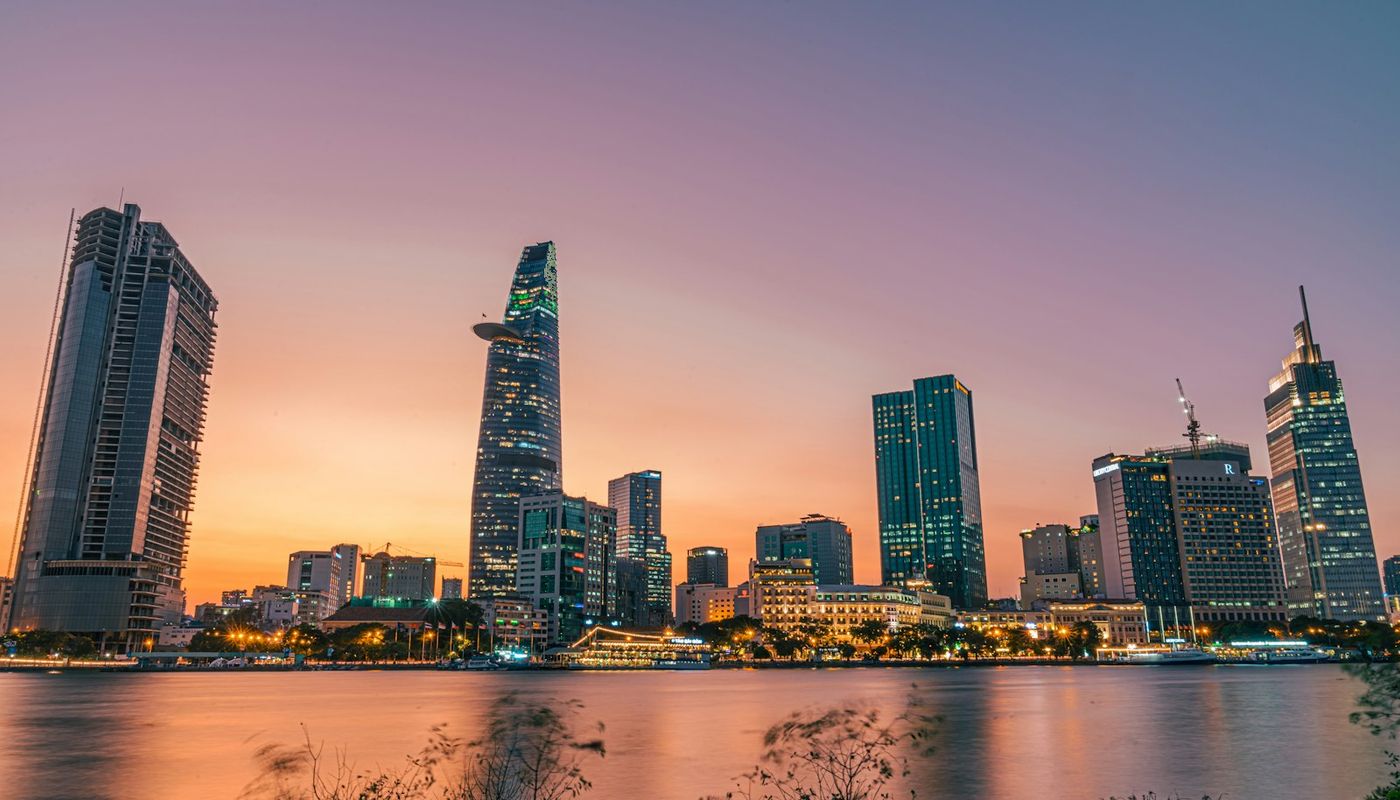
But it didn't just sit in bank accounts. Nam set up two companies - South Wealth Real Estate Co., Ltd. And Tech Invest Joint Stock Company - specifically to funnel stolen money into Vietnamese property. They bought and sold real estate across Ho Chi Minh City and multiple provinces, using property transactions to wash the proceeds.
This isn't a one-off. Real estate has been the preferred money laundering vehicle in Vietnam for years. The Truong My Lan case - where a single businesswoman siphoned $12.5 billion through SCB bank - also involved massive real estate holdings. Property is attractive to criminals here for the same reasons it's attractive to legitimate investors: large transaction values, limited transparency, and a system where cash payments are still common.
Why This Affects You as a Foreign Buyer
You might be thinking: I'm not involved in any fraud, so why should I care? Here's why.
You might be buying laundered property.When fraud proceeds get pumped into real estate, those properties eventually get resold. If you're buying a resale unit in HCMC and the seller acquired it through a shell company that was washing money, you could end up tangled in a legal mess when authorities come knocking. The 130 properties frozen in the Mr Pips case aren't just numbers - they're apartments and houses that someone might have been about to buy.
Shell company developers are real.Not every company selling property in Vietnam is what it claims to be. The Mr Pips network created real-looking corporate entities specifically to transact in real estate. As a foreigner who doesn't read Vietnamese and relies on agents for translation, how would you know the difference between a legitimate boutique developer and a front company?
Due diligence in Vietnam is harder than you think.In Australia or the US, you can pull company records, check litigation history, and verify ownership chains relatively easily. In Vietnam, corporate registries exist but are fragmented. Land records at the Sở Tài nguyên và Môi trường (Department of Natural Resources and Environment) aren't exactly user-friendly for foreigners. And the people selling you property have zero legal obligation to disclose the seller's source of funds.
The Pattern You Need to Recognize
After covering Vietnamese real estate for years, I've noticed a pattern in how laundered money flows through property:
Step 1:A newly formed company - usually less than two years old - starts acquiring units in bulk, often in new developments where bulk purchases don't raise eyebrows.
Step 2:These units sit empty or get rented out through short-term platforms for a year or two, just long enough to establish a transaction history.
Step 3:The units get resold to individual buyers (often foreigners looking for deals) at market prices. The money is now clean.
If you're being offered a "great deal" on a resale unit from a company you can't find much history on, slow down. Ask who the original buyer was. Check how long they held the unit. Look at whether the company has other legitimate business activities.
Protecting Yourself
The Vietnamese government is tightening anti-money laundering rules, but enforcement remains inconsistent. As a foreign buyer, your best defense is verification.
Start with the developer or seller's track record. Platforms likeBektuLet you check whether a developer has actually delivered projects and whether there's documented evidence of completions. A company with verified delivery history is fundamentally different from one that appeared last year with a flashy website and no track record.
Get an independent Vietnamese lawyer - not one recommended by the seller. Have them check the property's ownership chain and confirm there are no encumbrances, liens, or pending legal actions. This costs a few hundred dollars and could save you from buying into a frozen asset.
Insist on seeing the Giấy chứng nhận (certificate of land use rights) before signing anything. If the seller can't produce it, or says it's "being processed," that's a red flag. In the Mr Pips case, many of the laundered properties likely had perfectly valid-looking paperwork - the issue was the source of funds behind them.
Finally, be skeptical of below-market deals. In a market where HCMC apartments are averaging $4,000+ per square meter, someone offering you a unit at 20% below market should trigger questions, not excitement.
Vietnam's property market is maturing, and with that comes both opportunity and the kind of sophisticated financial crime that follows money anywhere in the world. The Mr Pips case won't be the last. Protect yourself by doing the homework most people skip.
Sign up to read the rest
Create a free account to keep reading. It only takes a minute.
Considering a developer you read about here?
You cannot walk the land from another country. But you can verify the developer. Bektu contacts them on your behalf and sends you a scored report. They never see who asked.
Search and verify any developerMore from Bektu


Stay a step ahead of the wire transfer
Get the occasional note from Bektu on verifying developers before you commit. No noise, just what matters.
We will never share your email. You can opt out at any time.