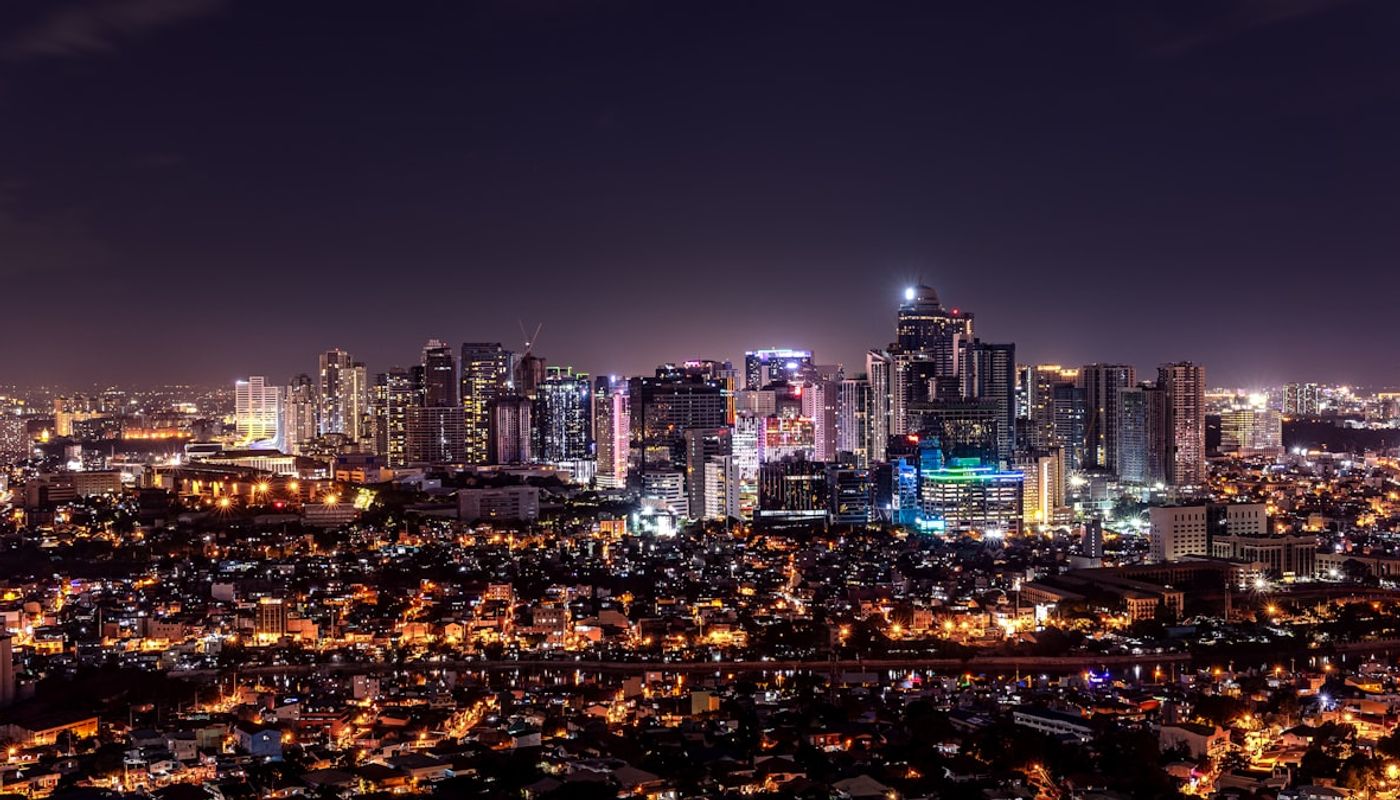
Manila vs Cebu vs Davao: Where to Buy Property as a Foreign Investor in 2026
Three Cities, Three Investment Profiles
Metro Manila, Cebu, and Davao are the three largest metropolitan areas in the Philippines, and each offers a distinct proposition for foreign property investors. Manila is the financial capital with the deepest market and highest prices. Cebu is the fastest-growing secondary city with strong tourism and BPO sectors. Davao is the most affordable of the three, with steady growth and lower volatility.
This guide breaks down the key districts, price ranges, rental yields, and practical considerations for each city as of 2026.
Metro Manila: BGC, Makati, and Ortigas
Metro Manila is a collection of 16 cities and one municipality that together form the National Capital Region (NCR). For condominium investment, three business districts dominate: Bonifacio Global City (BGC) in Taguig, Makati Central Business District (CBD), and Ortigas Center spanning Pasig and Mandaluyong.
Bonifacio Global City (BGC)
BGC is the newest of the three major business districts, developed primarily from the 2000s onward on former military land. It was master-planned from the start, which gives it wider roads, better pedestrian infrastructure, and more consistent urban design than the older business districts.
Condo prices in BGC range from approximately PHP 180,000 to PHP 350,000 per square meter for new units from major developers. Premium projects from Ayala Land Premier, Megaworld, and Shang Properties can exceed PHP 400,000 per square meter. Resale units in well-maintained buildings typically trade at PHP 150,000 to PHP 280,000 per square meter depending on the tower and floor level.
Rental yields in BGC currently average 5 to 7 percent gross for studio and one-bedroom units targeting BPO workers and expats. Furnished one-bedroom units (approximately 30 to 40 square meters) typically rent for PHP 25,000 to PHP 45,000 per month. Larger two-bedroom units command PHP 50,000 to PHP 80,000 per month.
BGC's advantage is its modern infrastructure and the concentration of multinational offices, embassies, and international schools. Its disadvantage is traffic congestion at entry and exit points, and the increasing density as developers fill the remaining vacant lots.
Makati CBD
Makati is the established financial center of the Philippines and has been the country's premier business address since the Ayala family began developing it in the 1950s. The CBD is home to the Philippine Stock Exchange, most major bank headquarters, and the highest concentration of Class A office space in the country.
Condo prices in the Makati CBD range from PHP 150,000 to PHP 300,000 per square meter for newer developments. Older buildings (pre-2010) trade at PHP 100,000 to PHP 200,000 per square meter. Ultra-luxury projects like those from Shang Properties can reach PHP 350,000 or more per square meter.
Rental yields in Makati tend to be slightly lower than BGC, averaging 4.5 to 6.5 percent gross, because purchase prices are high relative to rents. However, Makati has a deeper rental market with more consistent demand from long-term expat tenants who prefer the walkability of the Ayala Avenue corridor.
Makati's advantage is its maturity and established amenities. The Greenbelt and Glorietta malls, Ayala Triangle Gardens, and the Salcedo and Legazpi weekend markets give Makati a lifestyle appeal that BGC is still building. Its disadvantage is aging infrastructure in some parts of the CBD and traffic that is worse than BGC during peak hours.
Ortigas Center
Ortigas Center sits between Makati and Quezon City, straddling the boundary of Pasig and Mandaluyong. It is home to the Asian Development Bank, Megamall (one of the largest malls in Asia), and several major corporate offices.
Condo prices in Ortigas are significantly lower than both BGC and Makati, ranging from PHP 90,000 to PHP 180,000 per square meter. This lower entry cost makes Ortigas attractive for investors who want to maximize rental yield percentage rather than absolute rental income.
Rental yields in Ortigas often exceed those of BGC and Makati in percentage terms, averaging 6 to 8 percent gross for well-located studios and one-bedroom units. Monthly rents range from PHP 15,000 to PHP 30,000 for studios and one-bedroom units.
Ortigas' advantage is affordability and solid rental demand from the BPO workforce. Its disadvantage is that it lacks the prestige and lifestyle amenities of BGC and Makati, and capital appreciation has been slower.
Cebu
Cebu is the second-largest metropolitan area in the Philippines and the economic center of the Visayas region. Cebu City and its adjacent municipalities (Mandaue, Lapu-Lapu, and Talisay) form a metro area of approximately 3 million people.
The Cebu property market has grown substantially over the past decade, driven by the expansion of the BPO sector, the development of the Mactan-Cebu International Airport's second terminal, and increasing tourism arrivals. Cebu IT Park (the city's primary BPO hub) and the Cebu Business Park (developed by Ayala Land) are the two main investment zones for condominium buyers.
Condo prices in Cebu range from PHP 80,000 to PHP 160,000 per square meter in prime developments, with some luxury projects reaching PHP 200,000 per square meter. This represents roughly 40 to 60 percent of equivalent BGC or Makati prices, making Cebu a more accessible entry point.
Rental yields in Cebu are competitive with Metro Manila, averaging 5 to 7 percent gross. Monthly rents for studios and one-bedroom units in Cebu IT Park and Cebu Business Park range from PHP 15,000 to PHP 30,000. The rental market benefits from both long-term BPO worker tenants and short-term vacation rental demand, particularly for units with ocean views or proximity to Mactan Island.
For foreign buyers, Cebu offers the combination of lower purchase prices, comparable rental yields, and a lifestyle that includes beaches, diving, and island hopping within easy reach. The downside is a smaller and less liquid resale market compared to Metro Manila, and fewer options from top-tier developers.
Major developers active in Cebu include Ayala Land (Cebu Business Park, Cebu Exchange), Megaworld (The Mactan Newtown), DMCI Homes, Robinsons Land, and Federal Land (Marco Polo Residences). The 40 percent foreign ownership cap under RA 4726 applies equally to Cebu projects.
Davao
Davao City is the largest city in Mindanao by population and the third-largest metropolitan area in the Philippines. It is known for its relatively low crime rate, lower cost of living, and proximity to agricultural land and natural attractions like Mount Apo.
The Davao property market is less developed than Manila or Cebu, which creates both opportunity and risk. Opportunity because prices are lower and growth potential remains significant. Risk because the market is thinner, with fewer developers, fewer transactions, and less rental demand from the expat and BPO communities.
Condo prices in Davao range from PHP 60,000 to PHP 120,000 per square meter, with most units coming from developers like Megaworld (Davao Park District), DMCI Homes, Avida (Ayala Land), and Filinvest. Luxury options are limited compared to Manila and Cebu.
Rental yields in Davao average 5 to 6 percent gross, but the absolute rental amounts are lower. Monthly rents for studios and one-bedroom units typically range from PHP 10,000 to PHP 20,000. Demand comes primarily from local professionals and students rather than expats or BPO workers.
For foreign buyers, Davao makes sense as a long-term value play. The city's infrastructure is improving (the Davao-Samal bridge project, the high-standard highway connecting Davao to Butuan), and property prices have room to grow. However, the rental market is less established for the type of furnished, serviced units that perform well in Manila and Cebu.
Foreign ownership rules under RA 4726 apply in Davao just as they do in Manila and Cebu. Verify the foreign ownership cap in any project before committing.
Comparative Summary
For capital appreciation and liquidity, Metro Manila (specifically BGC and Makati) remains the strongest choice. The depth of the market, the concentration of multinational tenants, and the track record of price growth favor Manila for investors who prioritize exit options.
For balanced yield and lifestyle, Cebu offers the best combination. Lower entry prices, competitive rental yields, and a growing economy make Cebu attractive for investors who plan to hold for five to ten years and who may also want to use the property personally.
For value and long-term growth potential, Davao offers the lowest entry cost and the most room for appreciation, but it requires patience and tolerance for a less liquid market.
Whichever city you choose, the fundamentals remain the same: buy from a DHSUD-registered developer, verify the License to Sell under PD 957, confirm the foreign ownership cap under RA 4726, and use a broker licensed under RA 9646.
Bektu covers the Philippine property market across all three metropolitan areas with city-specific guides and developer reviews.
Sign up to read the rest
Create a free account to keep reading. It only takes a minute.
Considering a developer you read about here?
You cannot walk the land from another country. But you can verify the developer. Bektu contacts them on your behalf and sends you a scored report. They never see who asked.
Search and verify any developerMore from Bektu

Stay a step ahead of the wire transfer
Get the occasional note from Bektu on verifying developers before you commit. No noise, just what matters.
We will never share your email. You can opt out at any time.