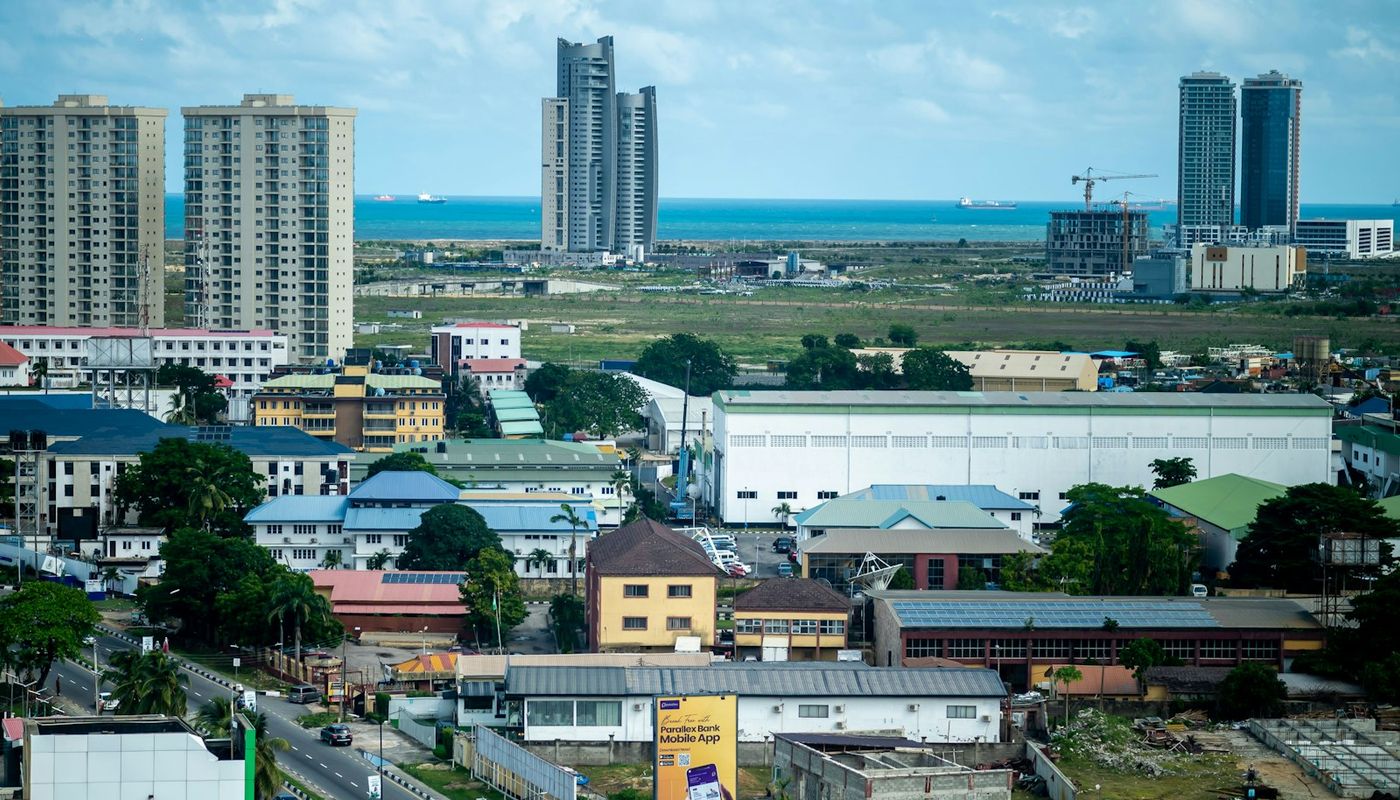
Lagos vs Abuja vs Port Harcourt: Where Diaspora Buyers Should Invest in Nigerian Property in 2026
Lagos, Abuja, and Port Harcourt are the three markets every diaspora buyer compares before wiring money home, and they reward completely different strategies. Lagos is the liquidity play. Abuja is the stability play. Port Harcourt is the yield play. Picking the wrong one for your goal is how people end up with a property that looks fine on paper and refuses to sell or rent when they need it to.
Here is how the three cities actually stack up in 2026, with prices, growth rates, and the risks that matter for someone buying from abroad.
Price levels: what the same apartment costs in each city
As of late 2025, a typical three-bedroom apartment runs around ₦45 million in Lagos, ₦38 million in Abuja, and ₦28 million in Port Harcourt. That spread holds across most segments. Lagos consistently commands the highest prices, Abuja sits in the middle with a heavy premium-end skew, and Port Harcourt is the cheapest entry point of the three.
Those headline numbers hide enormous internal variation. A serviced apartment in Ikoyi or Banana Island in Lagos can cost five to ten times the city average, while a comparable unit in a developing corridor like Ibeju-Lekki costs a fraction of it. Abuja's Maitama, Asokoro, and Guzape carry diplomatic-grade pricing, while Lugbe, Kuje, and Karsana are far more accessible. In Port Harcourt, the GRA phases and Peter Odili Road sit well above the city's outer estates.
Growth rates: where prices are actually moving
Lagos has posted 10 to 15 percent annual price increases in prime areas through 2024 and 2025, with the broader residential market growing a steadier 4 to 6 percent a year over a five-year horizon. The standout is the Ibeju-Lekki corridor, where land has appreciated 30 to 45 percent a year on the back of three anchor projects: the Dangote Refinery, the Lekki Deep Sea Port, and the Lekki Free Trade Zone. That is land speculation territory, not stable residential growth, and it cuts both ways.
Abuja has recorded 8 to 10 percent annual appreciation for several years running, and that pattern held through 2025. It is the most predictable of the three. Districts like Katampe Extension and Jabi are where forecasters expect 15 to 20 percent growth into 2026.
Port Harcourt has averaged roughly 15 percent annual appreciation in its top estates, driven by oil-sector demand and a chronic shortage of quality housing. Premium Port Harcourt estates are forecast to grow 12 to 18 percent in 2026. The catch is liquidity, covered below.
The investment profile of each city
Lagos wins on liquidity and short-term flips. It has the deepest buyer pool in the country, the most active rental market, and the strongest diaspora demand, which means you can usually exit when you need to. That liquidity is the single biggest reason to pay the Lagos premium. If you might need to sell within three to five years, Lagos is the safest of the three.
Abuja leads on premium rentals and tenant quality. Diplomats, expatriates, senior civil servants, and corporate tenants fill the high end, and they pay in a way that supports stable, predictable yields. Abuja is the city to buy in if you want a long-hold asset with a reliable tenant and you are not in a hurry to sell.
Port Harcourt offers the highest rental yields of the three, particularly for housing tied to the industrial and oil-services economy. The trade-off is resale speed. The buyer pool is thinner, so when you want out, it can take longer to find a purchaser at your price. Port Harcourt rewards investors who buy for cash flow and plan to hold.
What this means for a diaspora buyer specifically
If your goal is capital preservation with an easy exit, buy in an established Lagos district with clean title and accept the lower yield. If your goal is a stable rental you will hold for a decade, Abuja's premium districts make more sense. If your goal is maximum rental income and you can tolerate a slower sale, Port Harcourt does the job.
The corridor plays, especially Ibeju-Lekki, deserve a separate warning. The growth numbers are real, but so is the title risk. Much of the fast-appreciating land in that corridor is undergoing the transition from family-held customary land to fully documented title, which is exactly the environment where double-allocation and Omo Onile disputes thrive. High return and high documentation risk travel together in that part of Lagos.
Whichever city you choose, the work that protects you is the same: confirm the title at the state land registry, confirm the developer has actually delivered past projects, and never rely on a brochure or a WhatsApp video as proof that a property exists or is what the seller claims. Platforms like Bektu (https://bektu.com) exist to let buyers check a developer's delivery history before committing, which matters more than any city-level statistic when you are buying from thousands of miles away.
The city decision sets your risk and return band. The verification work decides whether you keep your money. Get both right and Nigeria is one of the more rewarding property markets a diaspora investor can enter.
Sources
- What is the average house price in Nigeria? (Nov 2025) — The Africanvestor
- Is Port Harcourt property cheaper than Lagos? — The Africanvestor
- Property Price Forecasts Nigeria (2026) — The Africanvestor
- Real Estate ROI Comparison: Lagos vs Abuja vs Port Harcourt (2025 Update) — Attractive Plus Property
- Nigeria Real Estate Price Comparison: Lagos, Abuja, Port Harcourt, Ibadan — Jarnias Cyril
- Nigeria Real Estate Market Report 2025 — Nigeria Housing Market
Sign up to read the rest
Create a free account to keep reading. It only takes a minute.
Considering a developer you read about here?
You cannot walk the land from another country. But you can verify the developer. Bektu contacts them on your behalf and sends you a scored report. They never see who asked.
Search and verify any developerMore from Bektu


Stay a step ahead of the wire transfer
Get the occasional note from Bektu on verifying developers before you commit. No noise, just what matters.
We will never share your email. You can opt out at any time.