Lagos 176 Illegal Estates: What "No Layout Approval" Means for Your Plot in Ibeju-Lekki, Epe, Eti-Osa and Ajah
Lagos 176 Illegal Estates: What "No Layout Approval" Means for Your Plot in Ibeju-Lekki, Epe, Eti-Osa and Ajah
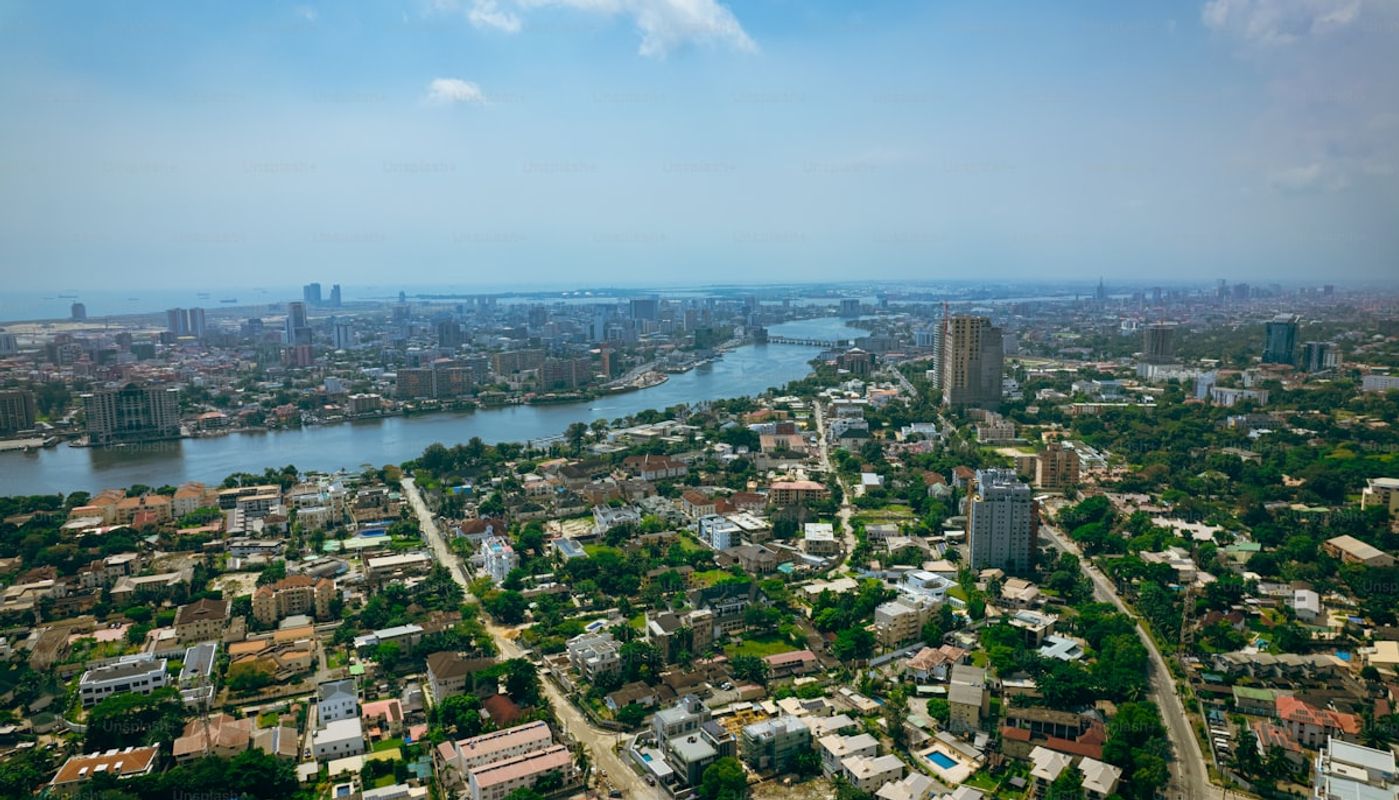
The Lagos State Government has published an enforcement list naming 176 estates across the Eti-Osa, Epe, Ibeju-Lekki and Ajah corridors as operating without approved layouts. The state's Ministry of Physical Planning and Urban Development gave developers a 21-day ultimatum to obtain the necessary approvals or face sanctions, including demolition, sealing and prosecution. The Commissioner for Physical Planning, Olumide Oluyinka, told property buyers in the same statement to verify approval status before investing. For diaspora Nigerians who have already paid for plots in any of those four axes, that warning needs to be unpacked carefully because the legal exposure is severe and most buyers do not understand what a "layout approval" actually is.
A layout approval in Lagos is the document the state government issues to a developer to confirm that an estate's master plan has been reviewed and accepted. It is governed by the Lagos State Urban and Regional Planning and Development Law (most recently amended in 2019) and administered through the Ministry of Physical Planning and Urban Development. The approval covers the way the developer has laid out the roads, drainage, setbacks, plot sizes, public open spaces and utility corridors across the parcel of land. Without it, the estate is, in legal terms, not an estate at all. It is a collection of unauthorised plots inside a parcel that has not been zoned for residential subdivision.
A layout approval is not the same as a Certificate of Occupancy (C of O, the main land title document) and it is not the same as Governor's Consent (the state-level approval required under Section 22 of the Land Use Act for any transfer of land). A developer can hold a global C of O over a parcel and still have no layout approval. That distinction matters because diaspora buyers are often shown a copy of the developer's global C of O and told the title is "perfect." The C of O may indeed be in order. What is missing is the planning permission to carve that parcel into the plots you are being sold. Without the layout approval, the state can later refuse to issue individual C of Os on those subdivided plots, the structures you build on them are vulnerable to enforcement notices, and the buildings can be sealed or demolished as illegal structures.
LASRERA (the Lagos State Real Estate Regulatory Authority) is the body that licenses and supervises real estate practitioners in the state. Every legitimate developer marketing plots in Lagos should be on the LASRERA register. The state has been pushing this requirement aggressively since 2024, and the 176-estate list is the enforcement arm of that policy. Developers who are not registered with LASRERA are operating outside the regulatory perimeter. They cannot be held to a compliance standard because they have not signed up to one. For a diaspora buyer, "is this developer LASRERA-registered" is now a first-line question, not a nice-to-have.
The four locations on the enforcement list are not random. Ibeju-Lekki is the corridor where most of Lagos's speculative plot sales have happened in the past five years, driven by the Dangote Refinery, the Lekki Free Trade Zone and the Lekki Deep Sea Port. Epe sits at the eastern end of that corridor and has been marketed as the next Lekki. Eti-Osa contains the affluent Lekki Phase 1, Victoria Island and Ikoyi areas where most diaspora investment concentrates. Ajah is the natural overflow zone for buyers priced out of Lekki Phase 1. In other words, the four axes on the list are the four axes most diaspora buyers are sending money into.
If your plot is in one of these axes, there are five specific checks you can run remotely.
First, ask the developer for the layout approval reference number and the date it was issued by the Lagos State Ministry of Physical Planning. The approval is a stamped document with a serial number. Send a relative or a lawyer to the ministry to verify the number against the official register. A genuine approval will be retrievable. A fake one will not.
Second, ask for the LASRERA registration number of the development company and the marketing company. Many estates are marketed by a third party who is not the title holder. Both need to be LASRERA-compliant. The LASRERA register is publicly searchable.
Third, ask for the global title document over the parcel. This should be a C of O, a registered deed of assignment with Governor's Consent, or, for properties in customary areas, a registered deed combined with confirmation from the relevant family. The title number should be searchable at the Lagos State Lands Bureau.
Fourth, ask whether the estate sits inside a designated Special Development Area or a designated Reserved Area. Some of the most affected parcels on the May 2025 list overlap with corridors that the state has zoned for infrastructure, drainage or public open space. A plot inside a reserved corridor cannot be regularised even if the developer obtains a layout approval. It will be subject to compulsory acquisition.
Fifth, ask the developer in writing whether the estate appears on the published 176-estate enforcement list. If yes, ask for the remediation plan, the timeline, and a contractual right to refund if regularisation fails by a specified date. A serious developer will give you a clear answer. A fraudulent one will deflect.
The consequences of buying into an unapproved estate are concrete and have been seen across Lagos in the past 18 months. The state can issue contravention notices, seal the property, and ultimately demolish it. The Lagos State Building Control Agency (LASBCA, which enforces building regulations) has demolished structures on Lagos Island and parts of Lekki Phase 1 during 2025 and 2026. Owners in those cases received no compensation because the underlying development was unapproved from the start. A C of O on the parent parcel did not save them.
There is a narrow positive case. Some of the developers on the 176-estate list are reportedly working with the ministry to obtain retrospective layout approvals, which is permitted under the planning law if certain conditions are met. If your developer is genuinely engaged with the ministry, you may end up with a properly regularised plot at the end of the process. The risk is that you cannot tell the difference between a developer who is genuinely engaged and a developer who is buying time. The 21-day ultimatum has long expired. The follow-up enforcement is the test.
Bektu (https://bektu.com) is a transparency and research platform that tracks Nigerian developer delivery history and the regulatory standing of Lagos estates. Not a marketplace, not a brokerage. If your plot is in Ibeju-Lekki, Epe, Eti-Osa or Ajah and you have not verified the layout approval, the LASRERA registration and the global title, the time to do that is now and not after the next demolition.
Sign up to read the rest
Create a free account to keep reading. It only takes a minute.
Considering a developer you read about here?
You cannot walk the land from another country. But you can verify the developer. Bektu contacts them on your behalf and sends you a scored report. They never see who asked.
Search and verify any developerMore from Bektu


Stay a step ahead of the wire transfer
Get the occasional note from Bektu on verifying developers before you commit. No noise, just what matters.
We will never share your email. You can opt out at any time.