Can Foreigners Own Property in Saudi Arabia? The 2026 Legal Guide
As of 2026, foreigners can own property in Saudi Arabia under a new law that took effect in January, and it is the biggest opening of the Saudi real estate market in a generation. The Law of Real Estate Ownership by Non-Saudis was published in the official gazette on 25 July 2025 and came into force 180 days later, in January 2026, replacing the restrictive year-2000 regime. The new system is built around designated zones rather than the old case-by-case approach. Here is what foreign buyers can and cannot do under it.
Who counts as a non-Saudi
The law defines "non-Saudi" broadly. It covers foreign individuals, whether or not they live in the Kingdom, and foreign legal entities including listed and unlisted companies, investment funds, and special-purpose vehicles, as well as non-profit and other foreign organisations. The Council of Ministers can expand this definition by formal decision. So the framework is not limited to expatriate residents; non-resident foreign investors abroad can also participate.
The designated-zone model
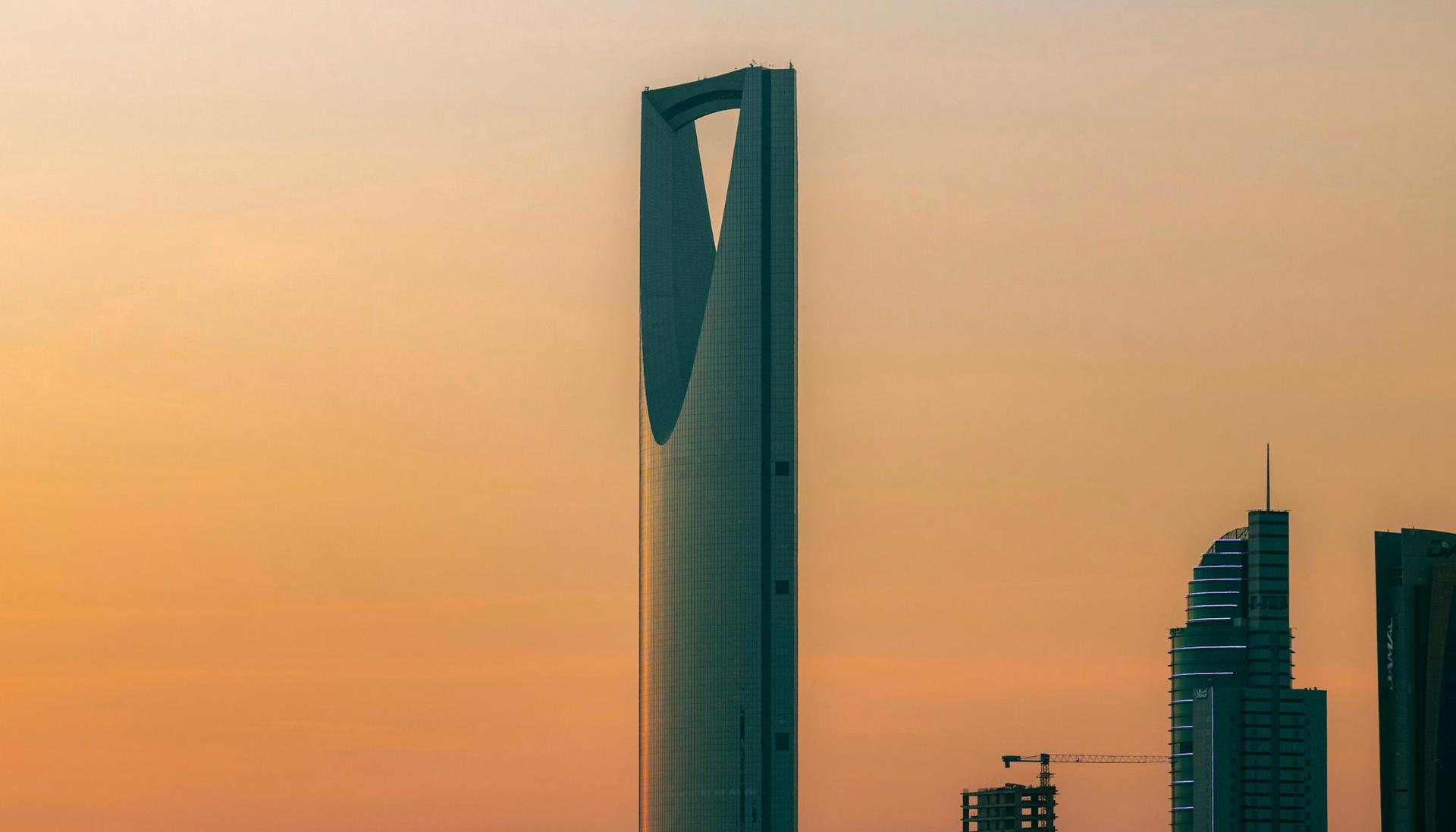
This is the central concept. Foreign ownership is permitted inside specific geographic zones identified by the Council of Ministers in coordination with the Real Estate General Authority (REGA). These zones are expected to cover high-demand urban areas, with Riyadh and Jeddah cited as the obvious early candidates. Outside the approved zones, foreign ownership is generally not allowed, with limited exceptions.
The exact boundaries of the zones, the maximum ownership shares foreigners may hold within them, and any time limits on usufruct or lease rights are set out in the Implementing Regulations, which were being finalised around the law's entry into force. Any serious buyer needs to confirm that a specific property sits inside an approved zone and check the current caps before committing, because these details are defined by regulation and can be adjusted.
What rights you can hold
Inside the permitted areas, a non-Saudi can acquire a genuine range of real estate rights, not just a lease. The law allows full ownership of property as well as lesser real rights: long-term leaseholds, usufruct rights (the right to use and benefit from a property), easements, and similar interests. In short, you can own outright or hold other registrable, transferable rights depending on the property and your purpose.
The Makkah and Madinah restriction
The longstanding prohibition on foreign ownership in the two holy cities is largely maintained. The law keeps Makkah and Madinah off-limits as a default, with only narrow exceptions. Muslim foreign individuals may acquire limited ownership and property rights there under conditions to be set in the regulations, and foreign-owned Saudi businesses may hold property in those cities for approved purposes. For most foreign buyers, Makkah and Madinah should be treated as closed.
Resident foreigners get an extra allowance
Non-Saudi individuals legally residing in the Kingdom can own property within the designated zones, and in addition may own one residential property for personal use outside the zones. This is a meaningful change for the large expatriate workforce, who previously found home ownership difficult. Muslim resident expatriates are also permitted to buy within designated zones in Makkah and Madinah, subject to the stated conditions.
Companies and investment funds
Foreign-owned business entities get broader privileges than individuals. Both listed and unlisted foreign companies, licensed investment funds, and special-purpose vehicles can acquire the real estate they need for their operations and to house their employees, and they can do so within the designated zones and even in Makkah and Madinah where the acquisition serves an approved purpose. Listed companies and regulated funds still answer to Capital Market Authority rules when they buy. Diplomatic missions and accredited international organisations may own premises for official use, subject to Ministry of Foreign Affairs approval and reciprocity.
Companies in Saudi Arabia with the most evidence on file
Ranked by BektuScore, which measures how much a buyer can verify about a company from public records. It does not rate build quality or returns.
Al Akaria (Saudi Real Estate Company)
DeveloperRiyadh, Saudi Arabia
Dar Al Arkan
DeveloperRiyadh, Saudi Arabia
Diriyah Gate Development Authority
DeveloperRiyadh, Saudi Arabia
Ask Bektu
Still have a question about buying in Saudi Arabia?
Answers come from the records on file, with links to every source.
Considering a developer you read about here?
You cannot walk the land from another country. But you can verify the developer. Bektu contacts them on your behalf and sends you a scored report. They never see who asked.
Search and verify any developerMore from Bektu
Stay a step ahead of the wire transfer
Get the occasional note from Bektu on verifying developers before you commit. No noise, just what matters.
We will never share your email. You can opt out at any time.