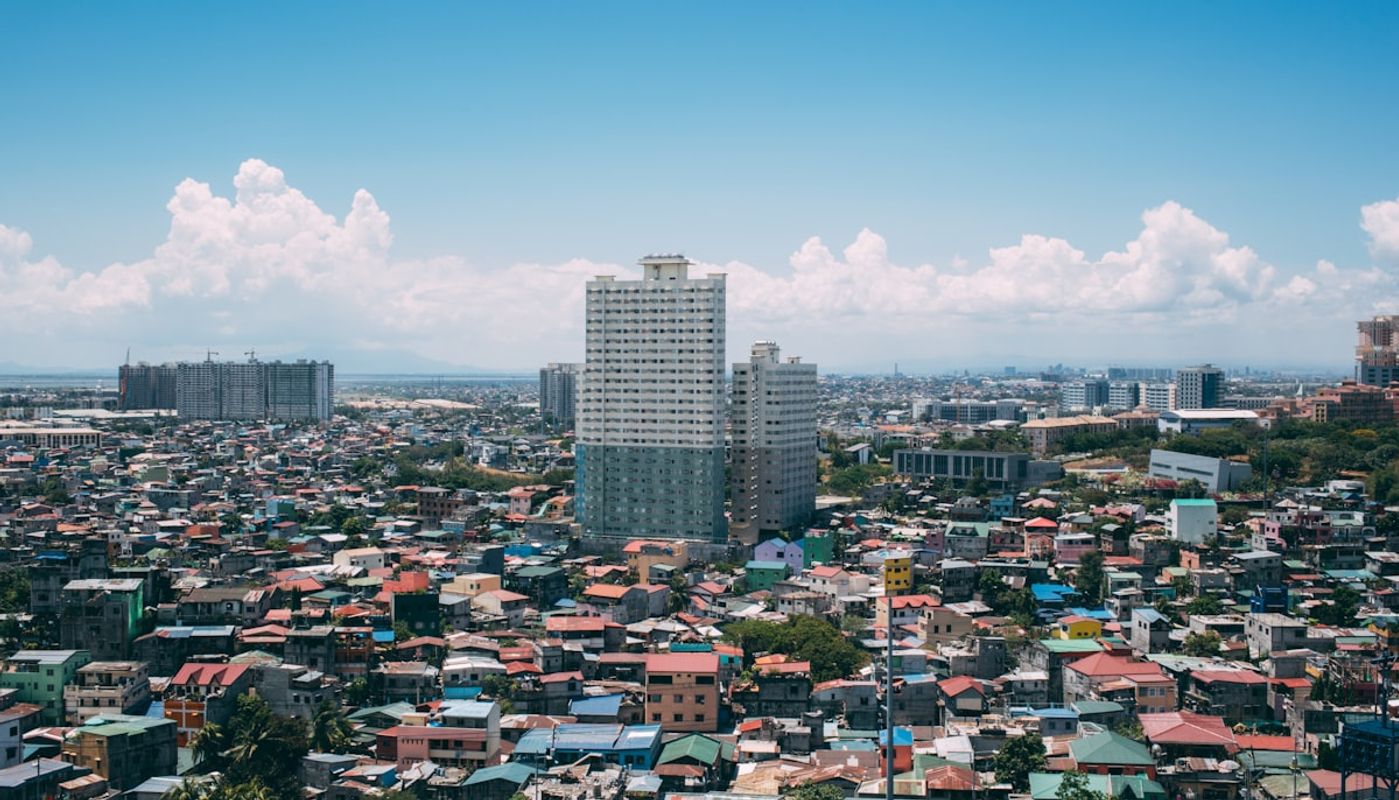
Can Foreigners Own Property in the Philippines? The Real Rules in 2026
Can Foreigners Own Property in the Philippines? The Real Rules in 2026
No. Foreigners cannot own land in the Philippines. That is the headline answer, and it has not changed since the 1987 Constitution took effect. What foreigners can own is a condominium unit, and only within a 40 percent project-wide cap. Everything else, from a beach lot in Palawan to a townhouse in Cebu, is off-limits to direct foreign ownership, with a small number of structured exceptions that mostly serve corporate buyers.
This is a country where the constitution itself locks the door. Article XII, Section 7 of the 1987 Constitution states that, except in cases of hereditary succession, private lands cannot be transferred to anyone other than Filipino citizens or corporations that are at least 60 percent Filipino-owned. There is no Golden Visa workaround, no investor-friendly carve-out for buying a villa in Boracay. The rule applies to American citizens, European retirees, Chinese investors, and former Filipinos who lost their citizenship alike.
The condominium exception and the 40 percent cap
The single legal route for foreign individual ownership is Republic Act No. 4726, the Condominium Act of 1966. Under the Act, foreigners can buy condominium units provided that foreign ownership in any individual project does not exceed 40 percent of the building's total floor area or unit count. The constitutional ban on foreign land ownership is preserved because the land itself sits under the condominium corporation, which must remain at least 60 percent Filipino-owned.
The mechanics matter. When a foreigner buys a condo, the buyer receives a Condominium Certificate of Title (CCT) issued by the Register of Deeds. The CCT is the equivalent of a Torrens title for a specific unit and the buyer's pro-rata share in common areas. The condominium corporation tracks the foreign quota. Any transfer that would push the project over 40 percent foreign ownership is void from the start, and the Register of Deeds is not allowed to register the transfer without a certification from the corporation confirming compliance.
In practice this means buyers in popular projects in Makati, Bonifacio Global City, and Cebu IT Park need to verify the current foreign quota before signing a reservation agreement. In a 200-unit tower with 80 units already sold to foreigners, a 81st foreign buyer is buying a defective title.
The regulator, the License to Sell, and PD 957
Developers are regulated by the Department of Human Settlements and Urban Development (DHSUD), which replaced the Housing and Land Use Regulatory Board under Republic Act No. 11201. Every condominium project offered for sale must hold a License to Sell from DHSUD, and the Master Deed and Declaration of Restrictions must be registered with the Registry of Deeds before units are offered. Confirm the licence through the DHSUD website or a certified true copy from the developer, and check the developer is not on DHSUD's blacklisted or suspended list.
Presidential Decree 957, the Subdivision and Condominium Buyers' Protective Decree, is the consumer protection layer underneath that. It requires developers to deliver according to approved plans and to provide construction warranties. Section 20 requires the unit to be delivered free of liens and encumbrances, Section 23 bars altering the plan without the buyer's written conformity, and Section 25 requires the title to be issued within a reasonable time after full payment. Where a developer fails to deliver, buyers file with DHSUD, which has quasi-judicial authority over real estate disputes under RA 11201.
What about land for retirement or a vacation home?
Foreigners pursuing a long-term life in the Philippines usually take one of three workarounds, each with real limitations.
First, a 25-year lease renewable for another 25 years under Republic Act No. 7652, the Investor's Lease Act, available to foreign investors with a registered project. For non-investors, the standard Civil Code limit is a 25-year lease that can be renewed once for another 25 years. This is a use right, not ownership, and the land reverts to the lessor at the end.
Second, ownership through a domestic corporation that is at least 60 percent Filipino-owned. The structure is legal on paper, but the Anti-Dummy Law (Commonwealth Act No. 108) prohibits using Filipino nominees to circumvent the ownership cap. Enforcement has historically been lax, but the Bureau of Internal Revenue and the Securities and Exchange Commission have flagged dummy arrangements in audits, and the corporate veil offers limited protection if the Filipino shareholders are not contributing real capital and control.
Third, marriage to a Filipino citizen. A foreign spouse cannot be on the title, but the Filipino spouse can own land outright, with the foreign spouse's name appearing only as a co-borrower on financing or in the deed as part of the description of the marital arrangement. On the spouse's death, the foreign survivor can inherit by hereditary succession under the constitutional exception, but cannot pass the land to a foreign heir.
Inheritance is the one route by which a foreign national can end up holding title to Philippine land. Where succession would leave a foreigner owning land, the foreigner must dispose of it within a reasonable period, commonly interpreted as five years, holding the Transfer Certificate of Title only until it passes to a qualified Filipino buyer.
Former Filipinos and dual citizens
Two specific groups get more latitude. Under Batas Pambansa Blg. 185 (1982), a former Filipino citizen may acquire up to 1,000 square meters of urban land or one hectare of rural land for residential use. Under Republic Act No. 8179, that allowance extends to 5,000 square meters of urban land or three hectares of rural land for business use. Dual citizens under Republic Act No. 9225, the Citizenship Retention and Re-acquisition Act of 2003, recover their full property rights as Filipinos and can buy land without limitation.
For investors deciding whether a Filipino partner is dependable enough to put a title in their name, the developer behind the project still matters. Bektu tracks delivery history on developers across Southeast Asia, which is useful when committing capital to an off-plan condominium in a foreign-quota-sensitive project.
Foreign-friendly markets within the rules
The condominium market is where foreign capital actually moves. Pre-selling towers in Makati, BGC, Ortigas, Cebu Business Park, and the Mactan beachfront strip are routinely marketed to overseas Filipino workers, expats, and Asian investors. Developers like Ayala Land, SM Prime, Megaworld, Robinsons Land, and DMCI Homes dominate the formal market and maintain transparent foreign-quota records.
Outside Metro Manila and Cebu, the foreign-quota issue is less binding because demand from foreigners is lower, and buyers can usually take the unit they want. Inside the prime urban projects, foreign quotas in 40-percent-capped towers fill years before completion, and resale buyers should ask for a written certification from the condominium corporation that the unit they are about to buy is within quota.
Two procedural points catch remote buyers. Brokers must be licensed under Republic Act No. 9646, the Real Estate Service Act, so confirm the registration before signing anything through an agent. And funds sent from abroad should be documented as foreign currency remittances through the Bangko Sentral ng Pilipinas, which is what makes repatriating sale proceeds possible later.
The bottom line
Direct land ownership is closed. Condominium ownership is open within a strict 40 percent project cap. Long leases and corporate structures exist but carry constitutional and statutory risks that need legal review. Anyone buying off-plan should also verify the developer's delivery record before committing, which is where platforms like Bektu earn their keep.
For related reading on regional rules, see Bektu's Guide to Foreign Real Estate Investment in Asia and the breakdown of property ownership rules in Vietnam in 2026.
Sources
- 1987 Constitution of the Philippines, Article XII
- Republic Act No. 4726, The Condominium Act
- Republic Act No. 7652, Investor's Lease Act
- Republic Act No. 9225, Citizenship Retention and Re-acquisition Act
- Commonwealth Act No. 108, Anti-Dummy Law
- Foreign Ownership Limits in Philippine Condominium Units under RA 4726 (Respicio & Co.)
Sign up to read the rest
Create a free account to keep reading. It only takes a minute.
Developers referenced
- Ayala Land Makati, Philippines
- SM Prime Pasay, Philippines
- Megaworld Taguig, Philippines
- Robinsons Land Pasig, Philippines
- DMCI Homes Makati, Philippines
Thinking about Ayala Land?
You cannot walk the land from another country. But you can verify the developer. Bektu contacts them on your behalf and sends you a scored report. They never see who asked.
Verify Ayala Land anonymouslyThinking about SM Prime?
You cannot walk the land from another country. But you can verify the developer. Bektu contacts them on your behalf and sends you a scored report. They never see who asked.
Verify SM Prime anonymouslyThinking about Megaworld?
You cannot walk the land from another country. But you can verify the developer. Bektu contacts them on your behalf and sends you a scored report. They never see who asked.
Verify Megaworld anonymouslyThinking about Robinsons Land?
You cannot walk the land from another country. But you can verify the developer. Bektu contacts them on your behalf and sends you a scored report. They never see who asked.
Verify Robinsons Land anonymouslyThinking about DMCI Homes?
You cannot walk the land from another country. But you can verify the developer. Bektu contacts them on your behalf and sends you a scored report. They never see who asked.
Verify DMCI Homes anonymouslyMore from Bektu

Stay a step ahead of the wire transfer
Get the occasional note from Bektu on verifying developers before you commit. No noise, just what matters.
We will never share your email. You can opt out at any time.