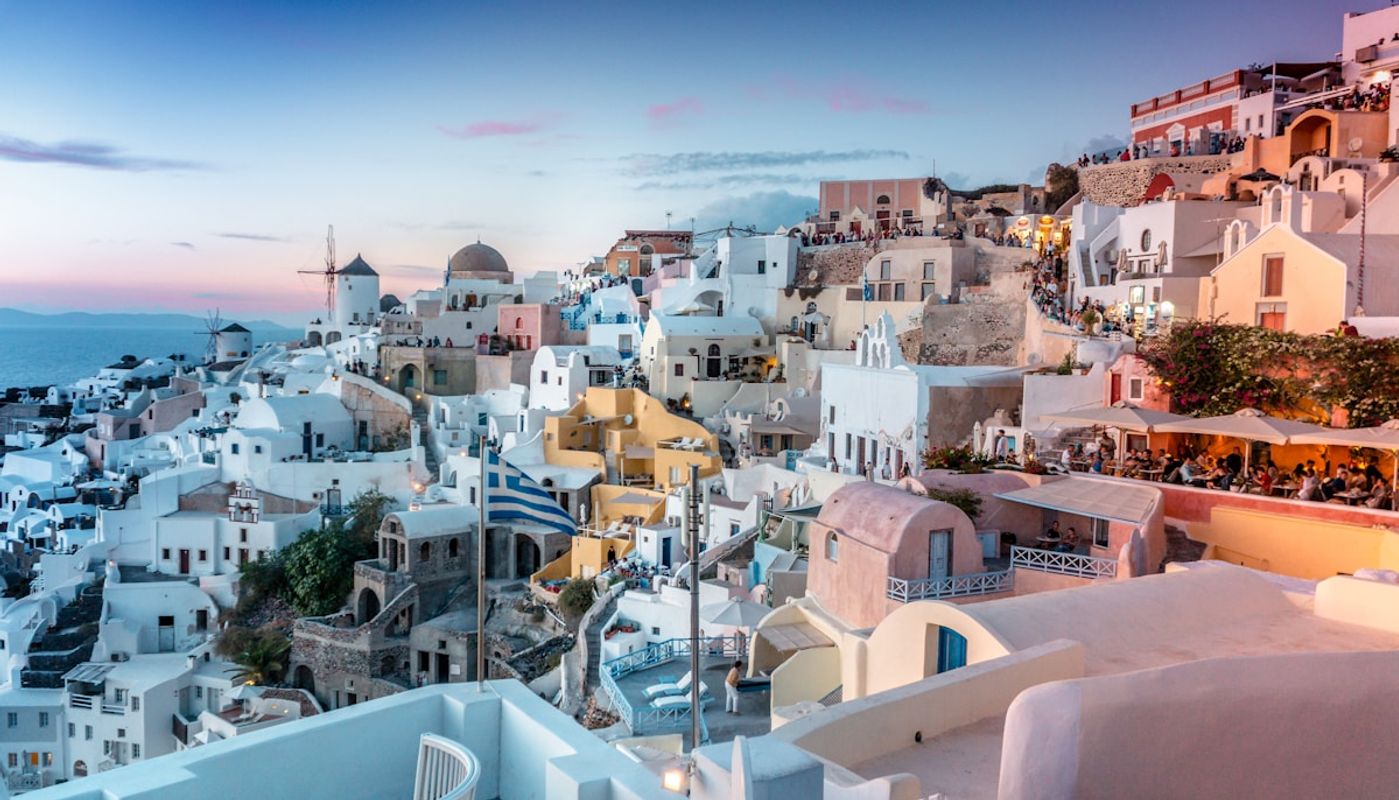
Athens vs Thessaloniki vs Crete vs Greek Islands: Where to Buy in 2026
Athens vs Thessaloniki vs Crete vs Greek Islands: Where to Buy in 2026
Choosing where to buy property in Greece depends on what you want from the investment: rental yield, capital appreciation, lifestyle, residency, or some combination. Each major region serves a different buyer profile, and pricing, legal requirements, and market dynamics vary significantly between them.
This comparison covers the four main categories where foreign buyers concentrate in 2026: Athens, Thessaloniki, Crete, and the popular Greek islands.
Athens
Price range: EUR 2,500 to EUR 6,000 per square meter in central neighborhoods, with premium areas like Kolonaki, Plaka, and the southern suburbs (Glyfada, Vouliagmeni) reaching EUR 7,000 or more. The Athens market posted 10.76 percent year-over-year growth in Q1 2026 according to Bank of Greece data.
Best for: Capital appreciation, urban rental income, Golden Visa qualification, and year-round livability.
Athens is the only Greek city with a fully functioning year-round rental market. Demand comes from Greek professionals, students (Athens has 24 universities), digital nomads, and tourists. The city's metro system, international airport, and hospital infrastructure make it the most practical choice for buyers who plan to spend significant time in Greece.
Short-term rental yields in the central tourist areas have been reported at 4 to 6 percent gross, with long-term lets at 3 to 4 percent, and net returns land well below those figures once management, tax, and compliance costs are counted. Short-term rental operators must register with AADE, the independent tax authority, and comply with building regulations, and several central districts have seen organised resident pushback against tourist lets.
Key neighborhoods for foreign buyers:
Koukaki and Mets sit immediately south of the Acropolis and offer strong short-term rental returns, though new licensing restrictions have tightened supply. Pagrati and Vyronas are slightly further east, with lower entry prices and growing demand from younger Greek professionals. Glyfada and Voula on the southern coast provide a suburban-beach lifestyle, with prices pushed higher by The Ellinikon development. Exarchia and Kypseli are the value plays, with prices still below EUR 2,500 per square meter, though Exarchia carries reputational risks that affect resale.
Golden Visa note: Athens falls in Zone A, requiring a minimum investment of EUR 800,000 in a single property of at least 120 square meters.
Thessaloniki
Price range: EUR 1,500 to EUR 3,500 per square meter, with the waterfront and upper town commanding premiums. Thessaloniki led all Greek cities in price growth in Q1 2026, with 12.19 percent year-over-year appreciation.
Best for: Lower entry costs, university-driven rental demand, lifestyle buyers who prefer a smaller city, and buyers priced out of Athens.
Thessaloniki has three major universities and a student population exceeding 100,000, which creates steady demand for rental apartments. The city's food scene, walkable center, and proximity to Halkidiki's beaches (a 45-minute drive) make it attractive to European lifestyle buyers.
Aristotle University alone has more than 70,000 students. Gross yields of 4 to 5 percent are achievable in the city centre, supported by a growing events calendar around the Thessaloniki International Film Festival and the Thessaloniki International Fair. The Thessaloniki Metro, under construction and opening in phases, is expected to lift values near station locations, and the Egnatia Odos motorway connects the city west across northern Greece and east toward Turkey.
Key areas:
The Ladadika and waterfront districts are the most expensive, with renovated neoclassical buildings attracting short-term rental investors. Ano Poli (Upper Town) offers Ottoman-era architecture and views but is steep and less accessible. Kalamaria, east of the center, is a middle-class residential area with newer construction and reliable long-term rental yields. Toumba and Stavroupoli are working-class neighborhoods with the lowest prices, suitable for yield-focused investors.
Golden Visa note: Thessaloniki municipality is classified as Zone A under the current rules, requiring the EUR 800,000 threshold. Surrounding areas may qualify for Zone B (EUR 400,000). Verify the exact zone classification for any specific property with your lawyer.
Crete
Price range: EUR 1,200 to EUR 4,000 per square meter depending on location. Chania and the north coast command the highest prices. South coast and inland villages remain below EUR 1,500 per square meter.
Best for: Holiday homes, retirement properties, long-season rental income (Crete's tourist season runs April through October, the longest in Greece), and buyers who want land.
Crete is Greece's largest island and the only one with enough infrastructure to function as a full-time residence: two international airports (Heraklion and Chania), a university hospital, year-round ferry connections, and established expat communities in Chania, Rethymno, and Agios Nikolaos.
A new Heraklion airport at Kastelli is under construction and expected to open in 2027 or 2028. Road quality follows the same north-south split as prices: the E75 along the north coast is good, the south and interior are limited. Short-term rental yields of 5 to 7 percent gross are reported for well-located properties, and villas with pools and sea views in the Chania and Apokoronas areas typically start around EUR 300,000.
Key areas:
Chania's old town and Akrotiri peninsula attract the highest foreign-buyer concentration. Renovated Venetian-era buildings in the old town sell for EUR 3,000 to EUR 5,000 per square meter, with strong Airbnb returns. Rethymno combines a Venetian old town with a long sandy beach. Prices are 20 to 30 percent below Chania. Heraklion is Crete's largest city and commercial hub but less attractive for lifestyle buyers. It offers the lowest urban prices on the island. Elounda and Agios Nikolaos on the northeast coast cater to the luxury segment, with villa prices starting around EUR 500,000.
Golden Visa note: Crete is generally classified as Zone A for Golden Visa purposes, requiring the EUR 800,000 threshold. However, specific locations may fall under different zone classifications, and commercial-to-residential conversions anywhere on the island qualify for the EUR 250,000 tier.
Greek Islands (Cyclades, Ionian, Dodecanese)
Price range: Extreme variation. Mykonos and Santorini run EUR 5,000 to EUR 15,000+ per square meter. Corfu and Rhodes sit at EUR 2,000 to EUR 5,000. Less-trafficked islands like Naxos, Paros, and Lefkada range from EUR 1,500 to EUR 4,000.
Best for: Holiday homes, short-term rental income during peak season (June through September), and lifestyle purchases.
Mykonos and Santorini are global luxury brands with property prices to match. Rental yields during peak season are among the highest in the Mediterranean, but the season is short (effectively four months), maintenance costs are high due to island logistics, and new construction is increasingly restricted. Both islands now fall under the EUR 800,000 Golden Visa threshold.
Corfu offers Venetian architecture, a green landscape unusual for Greek islands, and an established British expat community. Prices are more moderate, and the island has a longer shoulder season than the Cyclades. Direct flights from northern Europe support rental demand.
Paros and Naxos in the Cyclades have emerged as alternatives to Mykonos for buyers who want the Cycladic aesthetic without the extreme prices. Both islands have seen significant price growth since 2022 but remain 40 to 60 percent cheaper than Mykonos.
Rhodes combines a medieval old town (UNESCO World Heritage) with modern resort infrastructure. The Dodecanese location means a longer tourist season and proximity to Turkey. Note that parts of Rhodes and other Dodecanese islands fall within the border zone restriction for non-EU buyers, requiring a permit from the local prefecture.
Island constraints are physical as much as regulatory. The Archaeological Service controls construction near archaeological sites, and local building codes on Mykonos and Santorini dictate architectural style, materials, and colours. Water scarcity is a genuine issue across the Cyclades, managed through desalination and water transport but still a limit on development, and power infrastructure strains at peak season. Healthcare on smaller islands is limited to health centres, with serious cases evacuated to Athens or Crete. Peak-season nightly rates can imply gross yields of 6 to 10 percent, but annual yields after vacancy, management, and maintenance settle at 4 to 6 percent for well-run properties.
Comparison Summary
| Factor | Athens | Thessaloniki | Crete | Islands |
|--------|--------|-------------|-------|---------|
| Entry price (EUR/sqm) | 2,500+ | 1,500+ | 1,200+ | 1,500-15,000 |
| Year-round livability | High | High | Moderate-High | Low-Moderate |
| Rental season | 12 months | 12 months | 7-8 months | 3-5 months |
| Golden Visa zone | A (800k) | A (800k) | Mostly A | Mostly A |
| Price growth Q1 2026 | 10.76% | 12.19% | ~9% | Varies |
| Infrastructure | Full | Full | Good | Limited |
For detailed legal requirements and buying process guidance specific to each region, Bektu's Greece country guide provides current data and step-by-step walkthroughs.
Sign up to read the rest
Create a free account to keep reading. It only takes a minute.
Considering a developer you read about here?
You cannot walk the land from another country. But you can verify the developer. Bektu contacts them on your behalf and sends you a scored report. They never see who asked.
Search and verify any developerMore from Bektu
Stay a step ahead of the wire transfer
Get the occasional note from Bektu on verifying developers before you commit. No noise, just what matters.
We will never share your email. You can opt out at any time.