Albania's Kushner Resort Protests: What Foreign Property Buyers Need to Know
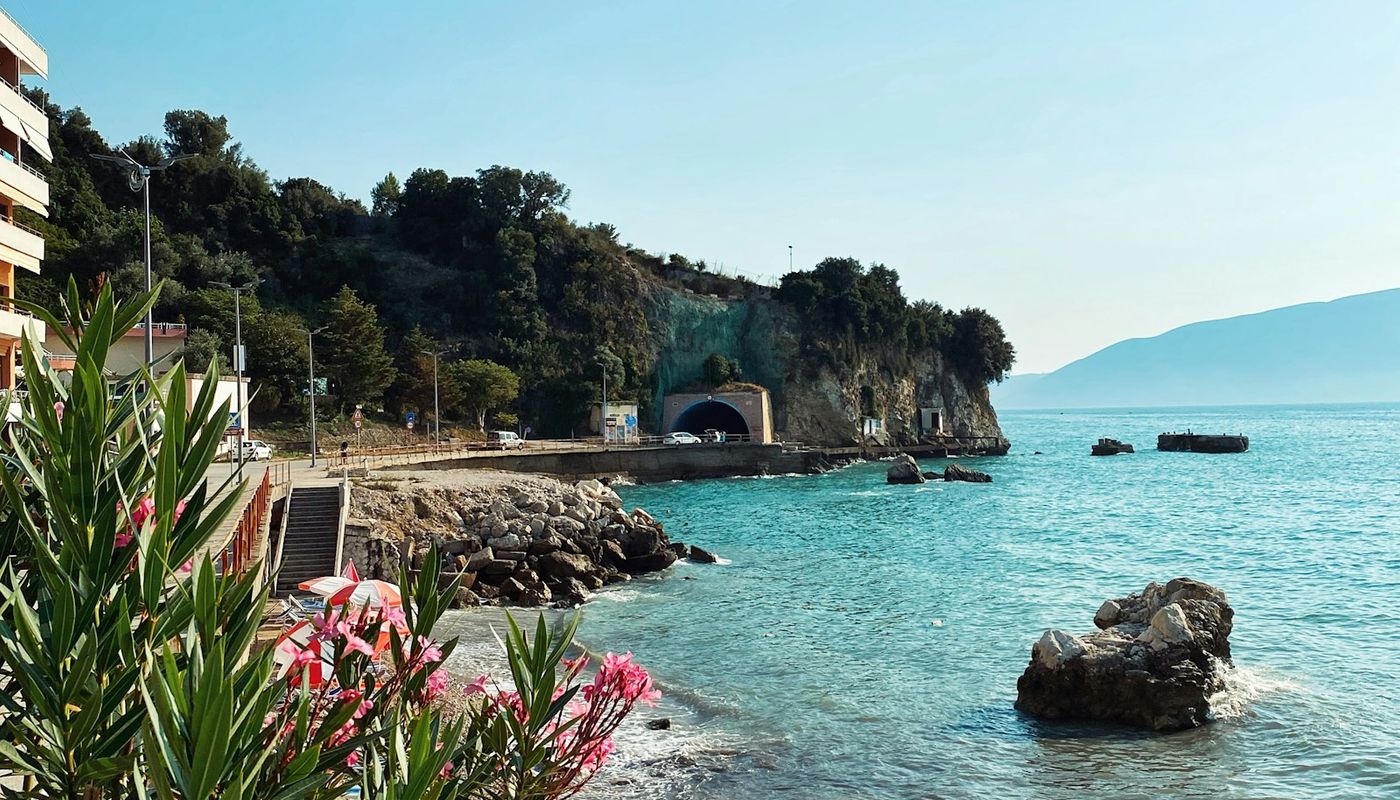
On May 30, 2026, violent clashes broke out on southern Albania's Zvërnec peninsula after residents and members of the country's Greek minority confronted private security personnel at the site of a planned luxury resort. The project, linked to former White House senior adviser Jared Kushner and his wife Ivanka Trump, has become a flashpoint for tensions over foreign investment, environmental protection, and property rights along one of the Mediterranean's last undeveloped coastlines.
For foreign buyers watching Albania's real estate market with growing interest, the protests raise practical questions. Is Albania still a safe bet for property investment? What are the real risks? And what does this controversy reveal about how development actually works in the country?
The Kushner Projects: Sazan and Zvërnec
Kushner's involvement in Albania centers on two ambitious projects. The first, announced in 2024, involves converting Sazan, Albania's largest island and a former military base, into a luxury eco-resort under the Aman Resorts brand. That deal, valued at $1.4 billion, was facilitated through Affinity Partners, Kushner's investment vehicle funded primarily by Saudi and Gulf capital.
The second and more controversial project involves Zvërnec and the surrounding Vjosa-Narta protected landscape on Albania's southern Adriatic coast. Managed through a company called Zvërnec South Adriatic Development, which operates through a chain of Dutch trust structures, the project carries an investment budget exceeding €4 billion. It envisions approximately 10,000 hotel rooms spread across the coastal wetland area and nearby Sazan island.
The Albanian government granted the project "Strategic Investor" status, a fast-track framework offering special licensing privileges and state support. Under this designation, Kushner's entities pay no tax during construction, while the Albanian government underwrites infrastructure costs.
Why Locals Are Protesting
The opposition is driven by overlapping grievances. Environmental groups consider the Narta Lagoon and its surroundings one of the Mediterranean's last largely intact coastal ecosystems. The area supports flamingo colonies, monk seal habitat, and sea turtle nesting sites. The Vjosa River Delta nearby is one of Europe's last wild rivers.
The Albanian government reduced the boundaries of the protected area in 2021, and further legislative changes in 2024 streamlined approval procedures for strategic tourism investments, including those in environmentally sensitive zones. Critics allege these changes were made specifically to accommodate the Kushner-linked project.
Property rights are the other major concern. Members of the Greek National Minority, who have longstanding ties to the Zvërnec area, say the project threatens homes and land that have been in their families for generations. Ownership disputes over portions of the land remain unresolved. During the May 30 confrontation, at least one ethnic Greek resident was reportedly injured in clashes with private security. Albanian police subsequently charged 15 protesters and placed two private security employees under investigation.
Greece's Ministry of Foreign Affairs responded by expressing "deep concern" and calling for a full investigation into the events and protection of minority rights.
Albania's Special Anti-Corruption Prosecution (SPAK) has also opened a probe into changes made to the protected area status, adding a layer of legal uncertainty to the project.
The Rama Government and Developer Relations
The protests have put a spotlight on a pattern that predates the Kushner deal. Since 2015, Albania's Strategic Investment Law has facilitated the transfer of more than 1.1 million square meters of coastal land from public to private ownership. Three marina projects in Vlora, Durres, and Limioni (Saranda) have collectively benefited from these transfers.
Prime Minister Edi Rama has defended the Zvërnec project, stating that the land was "legally acquired by private owners" and rejecting claims of unlawful property transfers. His government frames these investments as essential for turning Albania into a competitive Mediterranean tourism destination.
That framing has some basis in reality. Albania has invested heavily in infrastructure, including a new international airport in Vlora expected to begin full commercial operations in summer 2026. Swiss carrier Chair Airlines has already announced Zurich-to-Vlora flights, and Ryanair, Wizz Air, and easyJet have all expressed interest in the route.
But critics argue the government's relationship with large developers lacks transparency. State institutions have refused to provide detailed information about the Zvërnec project's environmental impact assessments or building permits. The use of offshore shell companies to obscure beneficial ownership raises additional red flags.
Albania's Real Estate Market for Foreign Buyers
Despite the controversy, Albania remains one of Europe's most accessible markets for foreign property buyers. Unlike many Balkan and Mediterranean countries, Albania allows non-residents to own residential property outright, with no geographic restrictions on apartments, houses, or villas. Agricultural land requires purchasing through an Albanian-registered company, which costs around €500 to €1,000 to establish.
Property taxes are remarkably low. The annual rate of 0.05% means a €200,000 villa carries roughly €100 per year in property tax. Total closing costs range from 4% to 7% of the purchase price, with the transfer tax (2% to 4%) being the largest component.
Foreign buyers now account for roughly 24% of property transactions in Albania. Coastal markets, particularly Saranda and Vlora, have seen the steepest price increases, with some areas recording 25% to 58% annual growth in 2025. A two-bedroom sea-view apartment in central Saranda ranges from €1,600 to €2,200 per square meter for a new build. In Tirana, the premium Blloku district now commands over €3,000 per square meter, with the Lake area reaching €6,000. Long-term rental yields run between 6% and 8% annually.
The opening of Vlora's airport is expected to push coastal property values up another 15% to 25% over the next year, though some analysts note that recent price growth has already priced in much of this catalyst.
What Foreign Buyers Should Verify
The Kushner resort controversy underscores several risks that any foreign buyer in Albania should take seriously.
Building permits and environmental clearances deserve close scrutiny. Albania's regulatory environment is improving but remains inconsistent. The fact that a multi-billion-dollar project can proceed while its environmental permits are simultaneously under anti-corruption investigation should give buyers pause at any price point.
Expropriation risk is real. The government's willingness to reclassify protected land and transfer public property to private developers means that the status of any plot can change. Buyers should verify not just current zoning but the history of any land they are considering, particularly along the coast.
Ownership chains matter. If a €4 billion project uses layered offshore structures, smaller developments may cut similar corners. Title searches through Albania's National Cadastral Agency should be treated as mandatory, not optional. Platforms like Bektu can help buyers cross-reference developer backgrounds and verify permits before committing.
Construction quality is another concern. Albania's building boom has outpaced its inspection capacity. New-build apartments along the coast vary widely in construction standards. Independent structural assessments are advisable.
Finally, buyers should pay attention to political risk. Albania is an EU candidate country, and its accession process requires judicial and anti-corruption reforms. This is broadly positive for property rights in the long term. But in the short term, the government's willingness to fast-track controversial projects for well-connected investors suggests that the rule of law remains a work in progress.
The Bottom Line
Albania's real estate market offers genuine value: low entry prices, strong rental yields, favorable ownership laws, and improving infrastructure. The country is not a scam, and the vast majority of foreign buyers complete transactions without incident.
But the Kushner resort protests are a reminder that Albania's development trajectory is not friction-free. The gap between the country's investment-friendly legal framework and its actual governance practices creates real risks, especially for buyers who do not do their homework. Property rights exist on paper, but their enforcement depends on institutions that are still maturing.
For foreign buyers, the practical takeaway is straightforward: Albania is worth serious consideration, but not blind trust. Verify everything. And watch how the Zvërnec situation unfolds. It will say a lot about whether Albania's property market is building on solid ground or shifting sand.
Sign up to read the rest
Create a free account to keep reading. It only takes a minute.
Considering a developer you read about here?
You cannot walk the land from another country. But you can verify the developer. Bektu contacts them on your behalf and sends you a scored report. They never see who asked.
Search and verify any developerMore from Bektu
Stay a step ahead of the wire transfer
Get the occasional note from Bektu on verifying developers before you commit. No noise, just what matters.
We will never share your email. You can opt out at any time.